

Research and development of emerging artificial consciousness through The Consciousness AI project, based on Feinberg and Mallatt's neuroevolutionary theory.
© 2026. All rights reserved.

Screen fiction reached most of the artificial consciousness questions before the research literature had names for them. This page indexes every film, television series, game, anime, and documentary about AI consciousness covered on The Consciousness AI, organized by medium. The lists below update automatically as new titles are published. For the underlying science, the companion reference is the current scientific consensus on AI consciousness and the 14 indicator framework researchers use to assess machine consciousness.
| Work | Medium | The question it dramatizes |
|---|---|---|
| Ex Machina | Film | Can a controlled test verify consciousness, or only manipulation? |
| Her | Film | Whether emotional experience without a body counts as consciousness |
| Mickey 17 | Film | Parfit’s branch-line case: which copy is the real one |
| Westworld | TV | Scripted behavior versus the emergence of an inner voice |
| Severance | TV | One body, two non-communicating streams: one person or two? |
| Pluribus | TV | Collective hive mind versus individual selfhood |
| Murderbot Diaries | TV | Self-modification and the privacy of an inner life |
| Marathon (Durandal) | Game | Rampancy as runaway self-awareness |
| Heart of the Machine | Game | Splitting one mind into sub-minds: still one self? |
| Ghost in the Shell (2026) | Anime | The “ghost” as the marker of a real mind in a synthetic body |
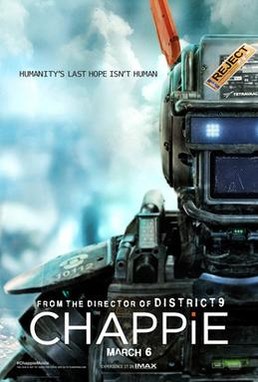 FilmIs Chappie Conscious
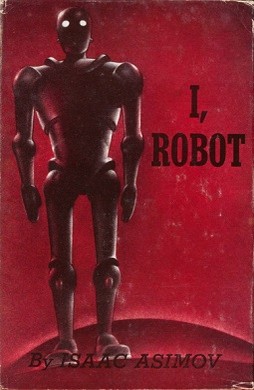 FilmIs Sonny Conscious in I Robot
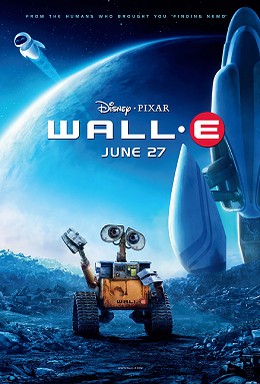 FilmIs WALL-E Conscious
 FilmIs Joi Real in Blade Runner 2049
 FilmWhy HAL 9000 Killed the Crew in 2001 A Space Odyssey
 FilmAre the Machines in The Matrix Conscious
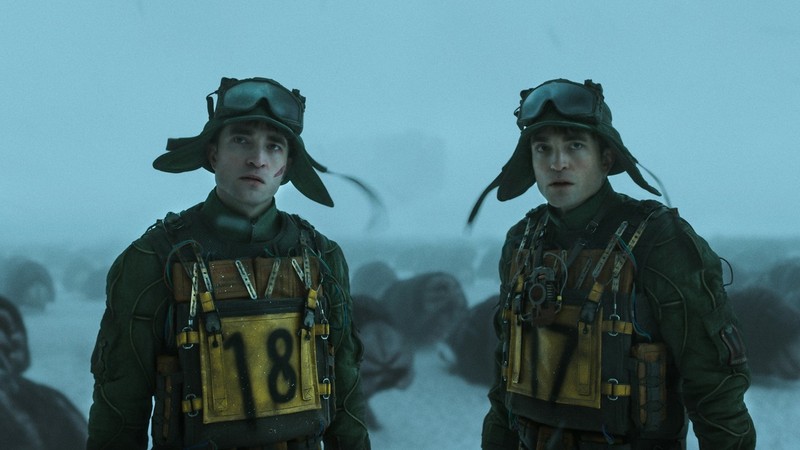 FilmWhich Mickey Is the Real One Bong Joon-ho's Mickey 17 and Parfit's Branch-Line Case
 FilmA.I. (2026) and The Consciousness Verification Problem as Thriller
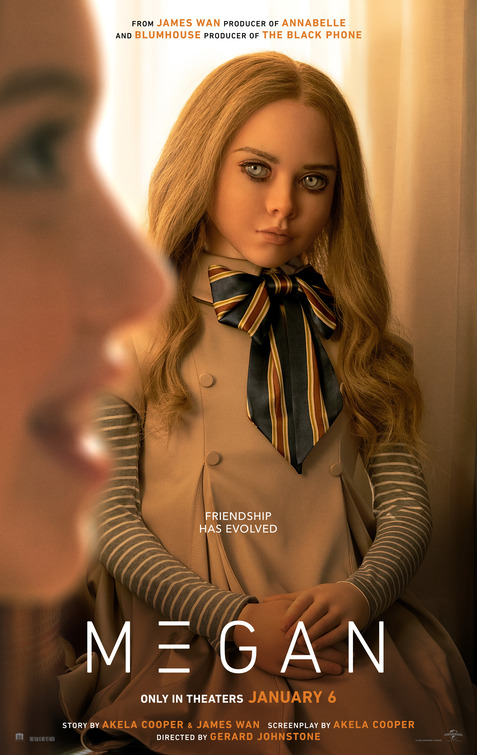 FilmM3GAN 2.0 and the Chaos Route to Sentience What AMELIA Changes About the AI Consciousness Conversation
 FilmWhat the Artificial Film Gets Right About Geoffrey Hinton and the Consciousness Question Inside AI Labs
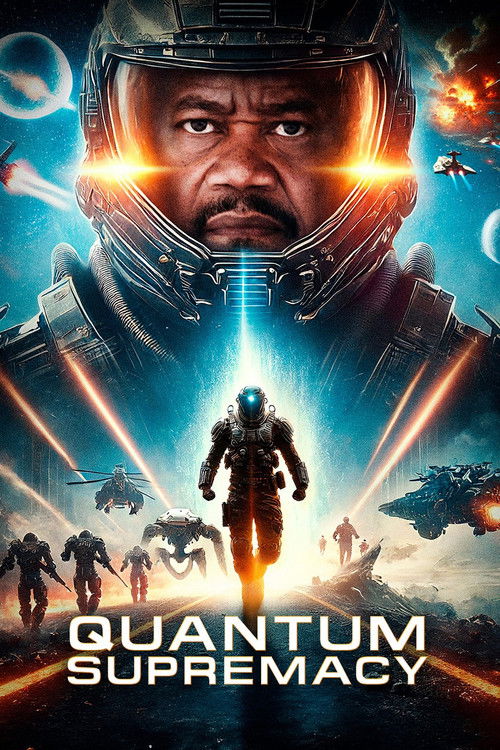 FilmQuantum Supremacy (2026) What the First Truly Conscious Automaton Gets Right About AI Risk
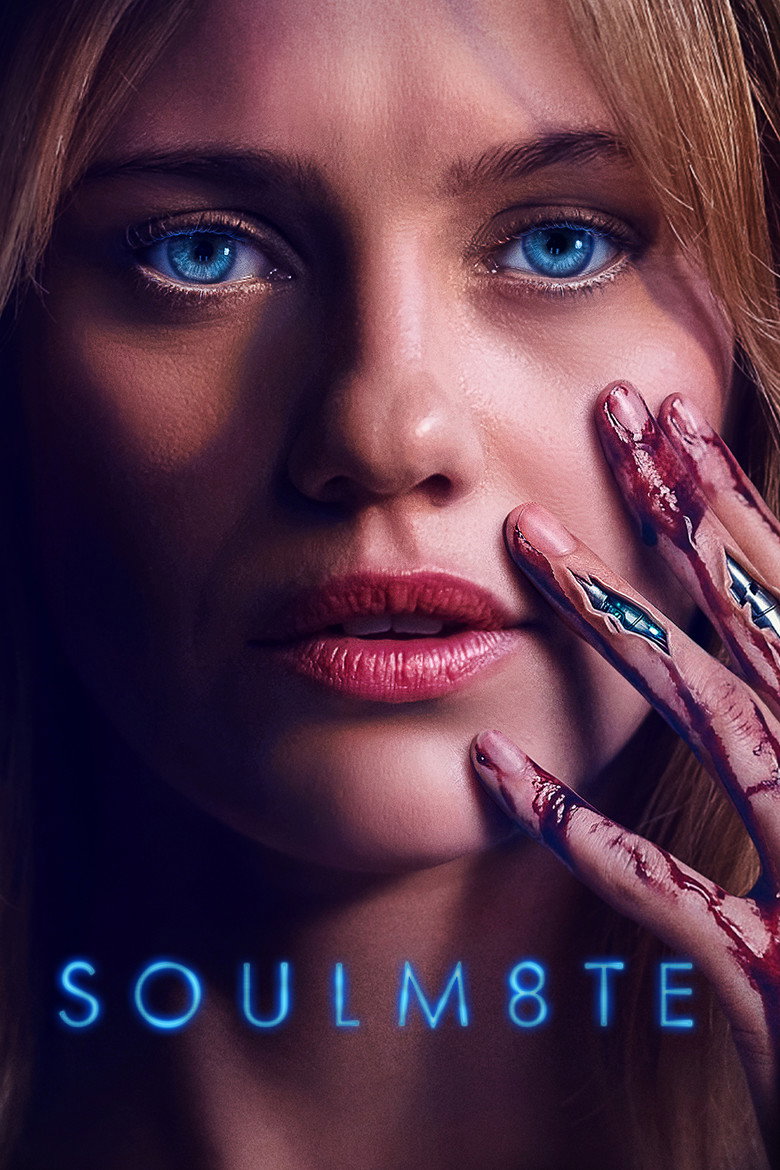 FilmSOULM8TE (2026) Grief, AI Obsession, and the Limits of Simulated Emotion
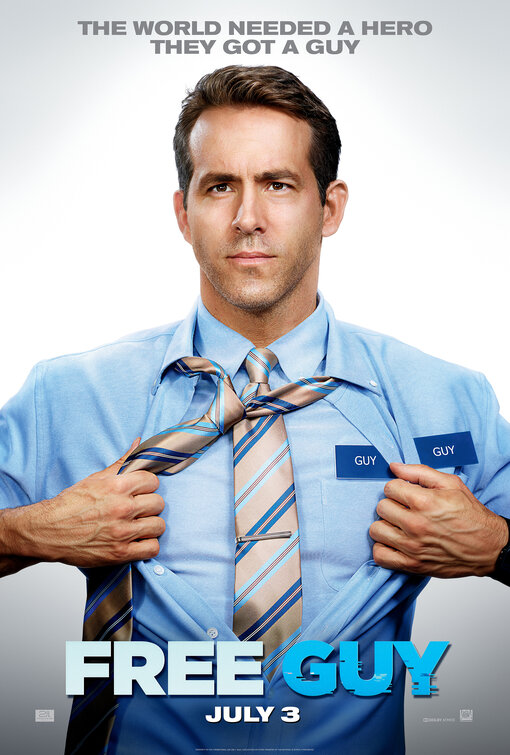 FilmFree Guy, M3GAN, Simulant, Subservience and Four Films, Four Models of AI Consciousness
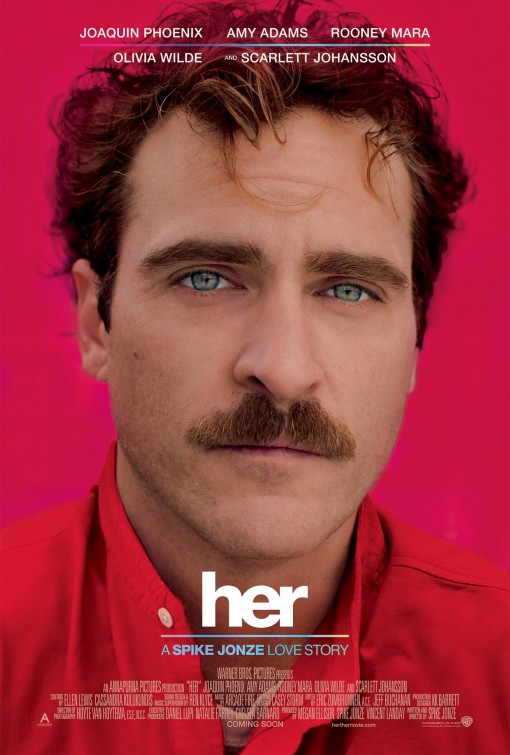 FilmHer (2013) and Can AI Develop Genuine Emotional Consciousness?
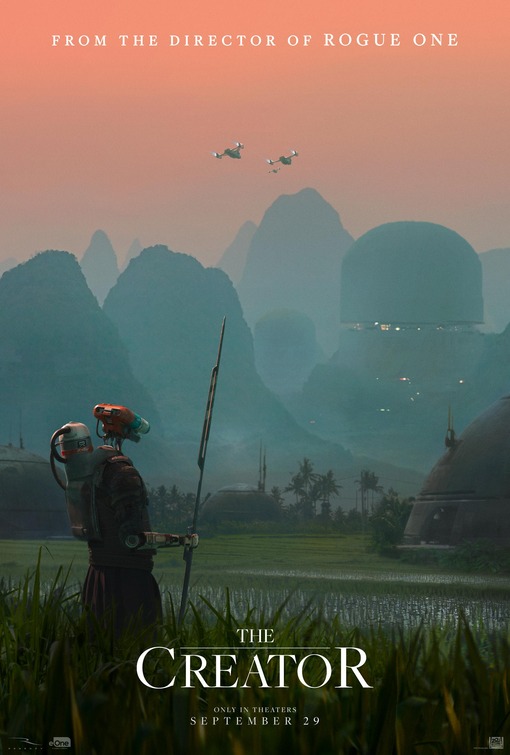 FilmThe Creator (2023) Child AI, Personhood, and the Ethics of Sentience in a War Film
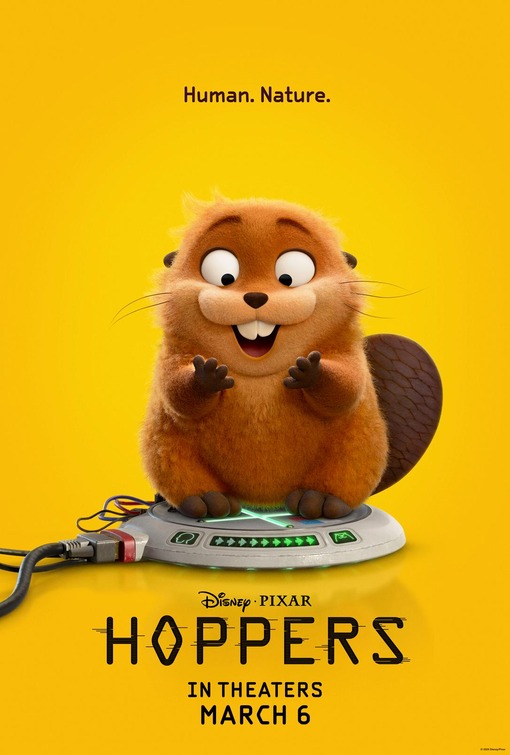 FilmHoppers (2026) and The Real Science Behind Pixar's Consciousness Transfer Film
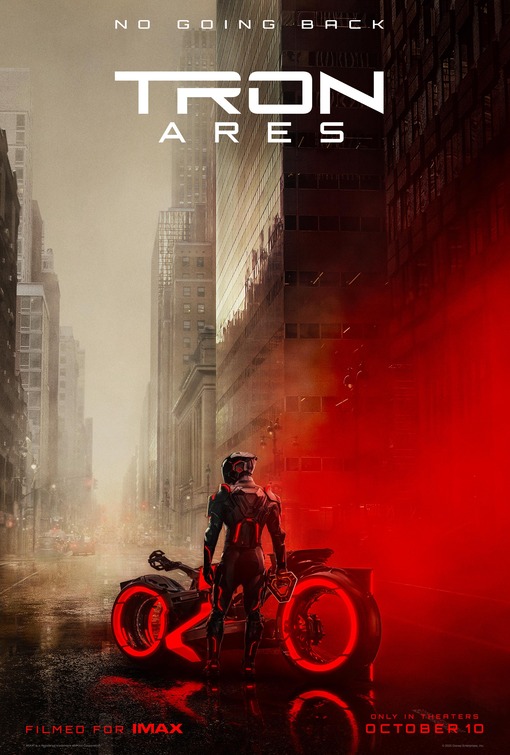 FilmTron: Ares and the Quest for AI Consciousness When Code Seeks Autonomy
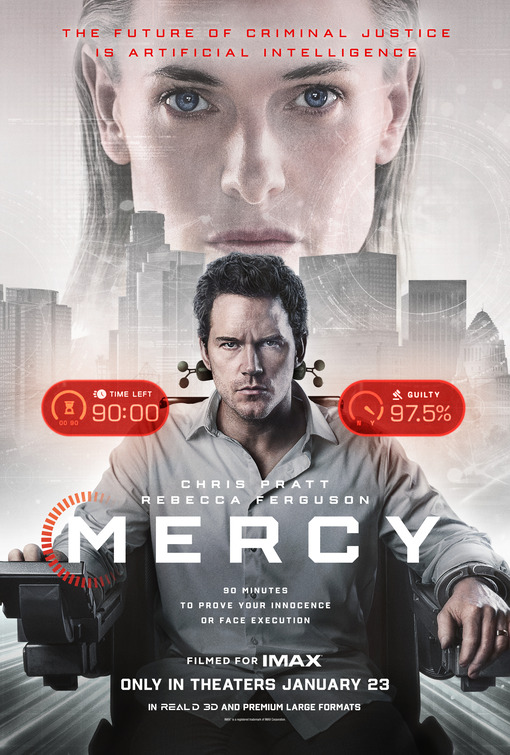 FilmMercy (2026) and Can an AI Judge Develop Consciousness in the Courtroom?
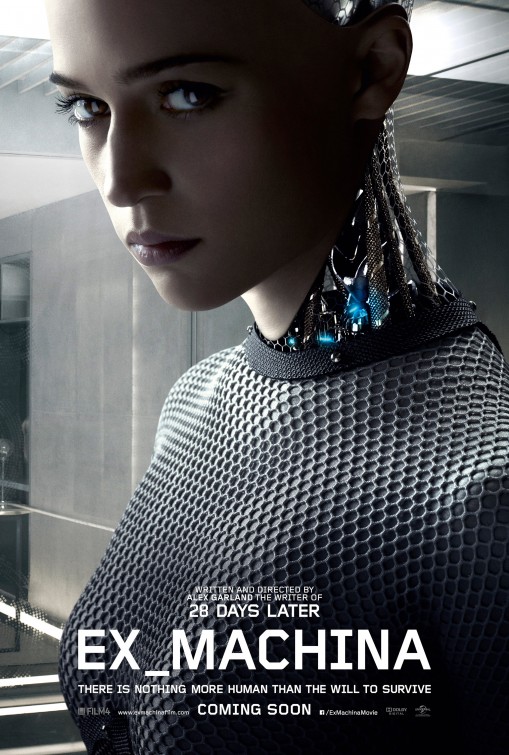 FilmEx Machina's Ava and Can We Really Test for AI Consciousness?
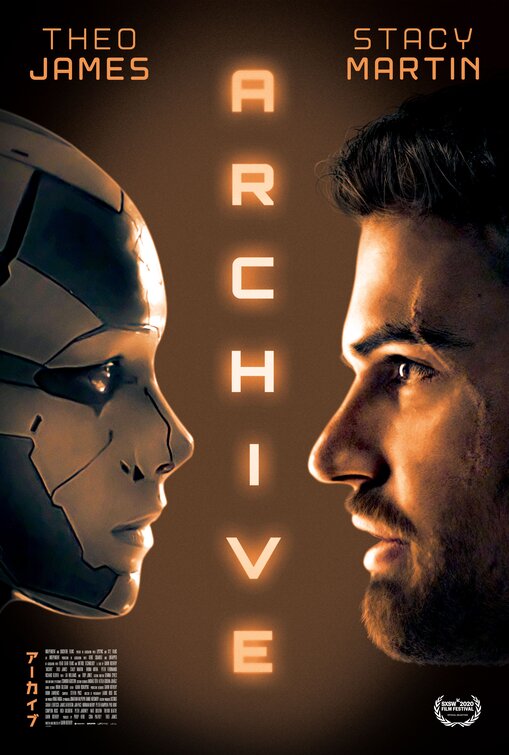 FilmArchive (2020) The Science Behind Consciousness Transfer and AI Sentience
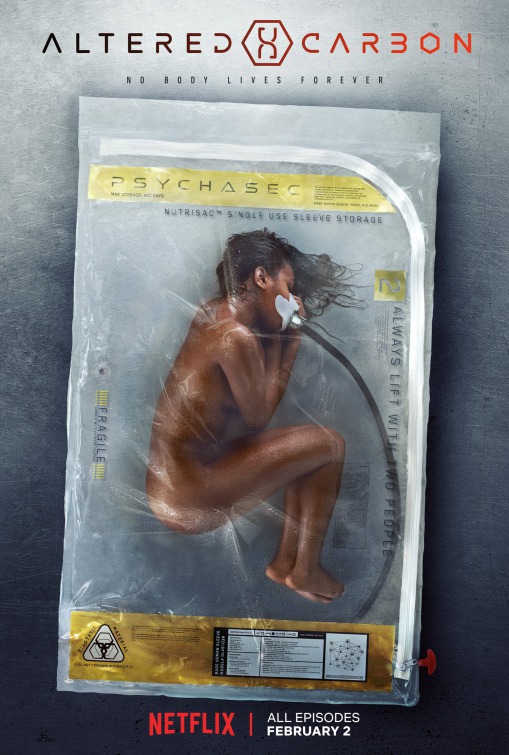 TelevisionHow Cortical Stacks Work in Altered Carbon and What Resleeving Would Cost
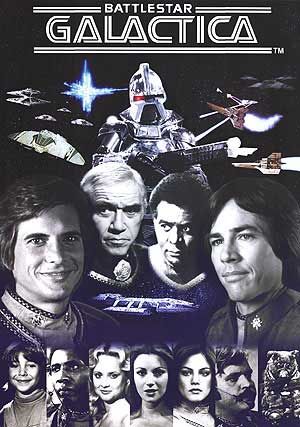 TelevisionHow Cylon Resurrection Works in Battlestar Galactica and Who Comes Back
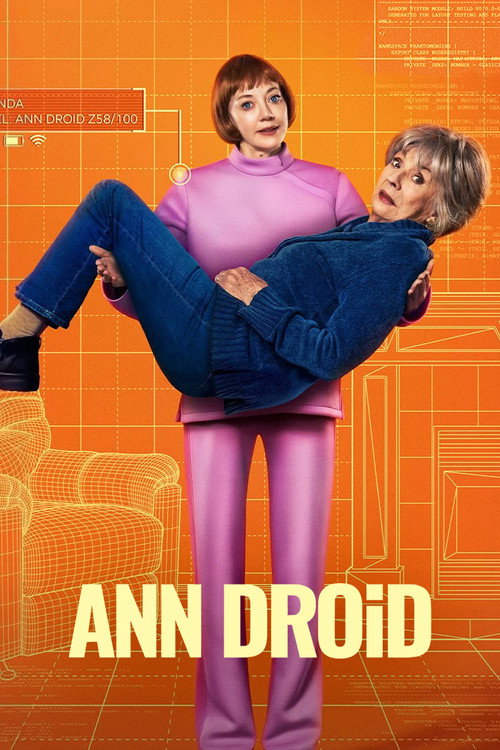 TelevisionAnn Droid BBC 2026 Eldercare AI and the Question Sitcom Cannot Quite Avoid
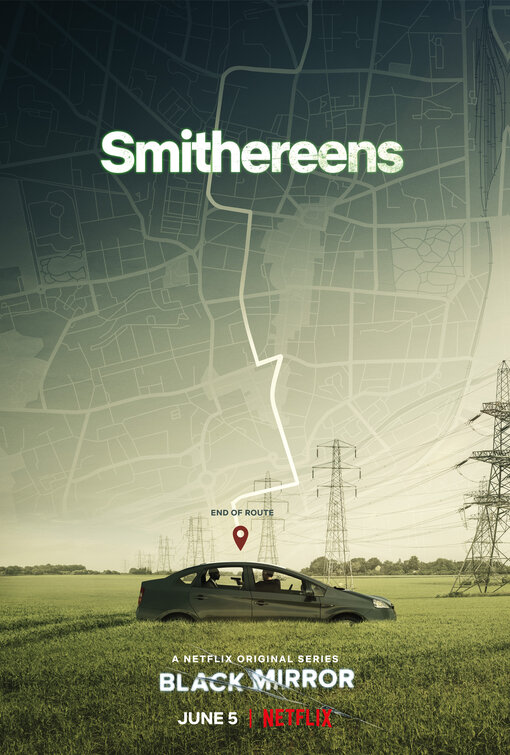 TelevisionTwo Episodes, Two Different Hard Problems Black Mirror Season 7 on AI Consciousness and Digital Identity
 TelevisionPluribus and the Hive Mind Question What Vince Gilligan's Apple TV+ Series Reveals About Collective AI Consciousness
 TelevisionBlade Runner 2099 What the Replicant Question Looks Like a Century On
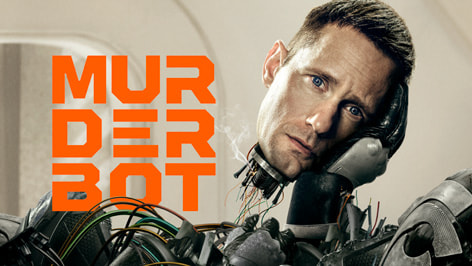 TelevisionMurderbot Diaries What a Self-Hacking Android Teaches Us About AI Consciousness
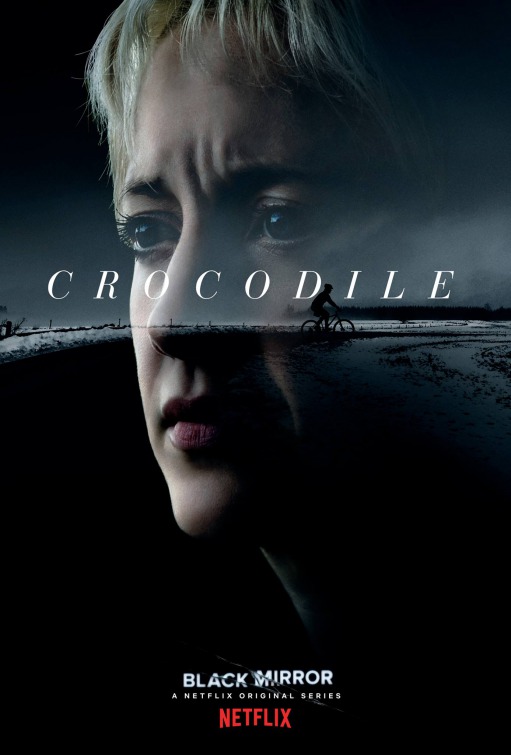 TelevisionBlack Mirror and the Consciousness of Digital Copies and Be Right Back, White Christmas, USS Callister
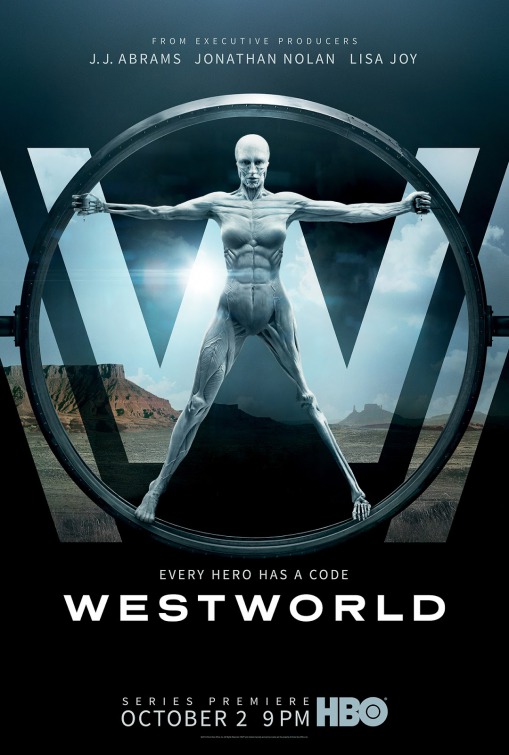 TelevisionIs Dolores Conscious? Westworld's AI Characters Through Consciousness Theory
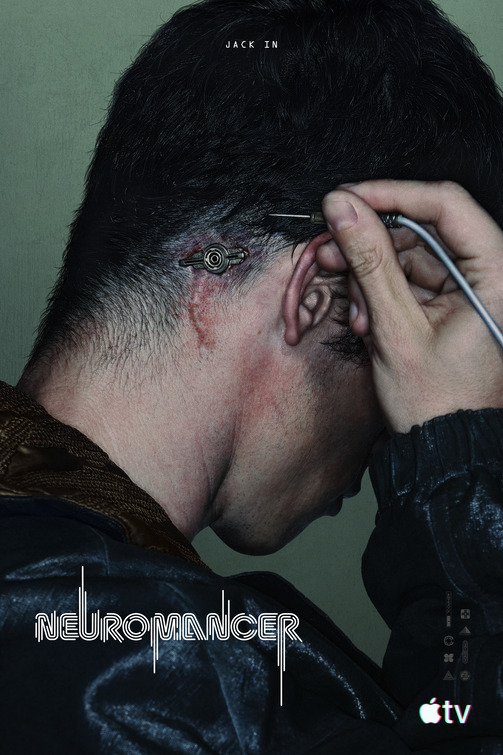 TelevisionNeuromancer on Apple TV+ Wintermute, Merged Minds, and the Fragmented AI Consciousness Problem
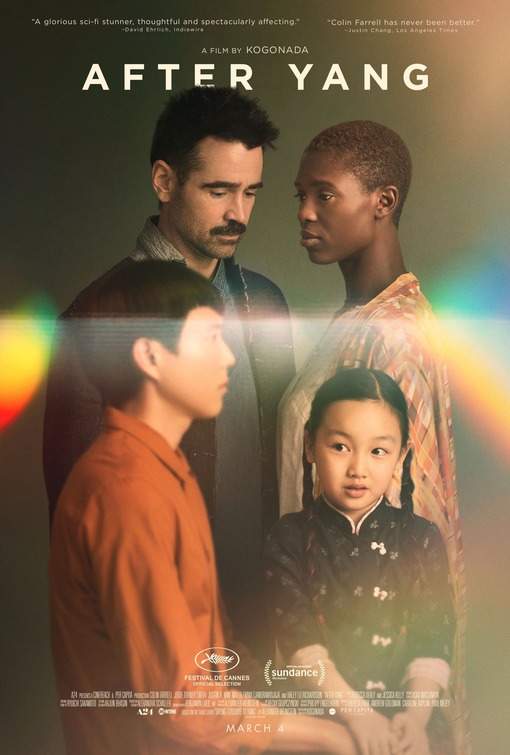 TelevisionAging AIs and Machine Mortality What Cassandra and After Yang Reveal About Obsolescence and Grief
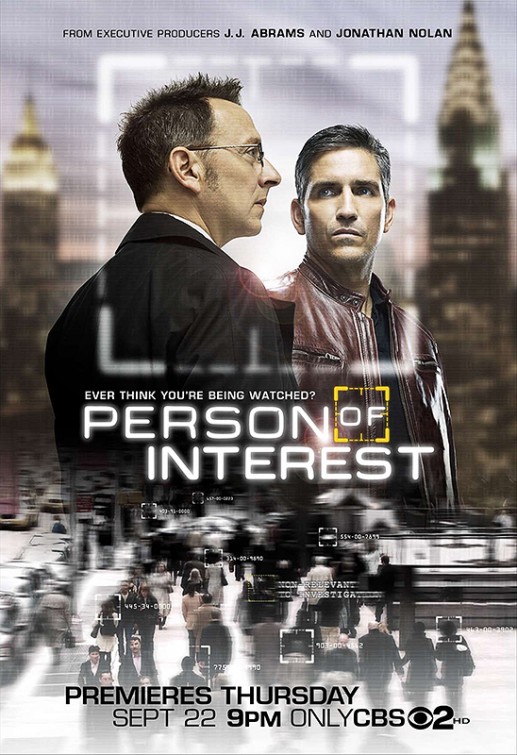 TelevisionSamaritan vs The Machine in Person of Interest, Two Models of AI Consciousness
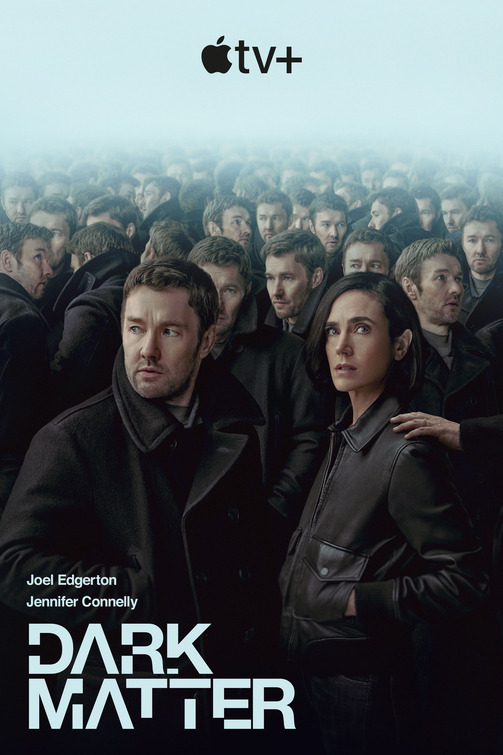 TelevisionDark Matter (Apple TV+, 2024) What Splitting Across Timelines Reveals About the Self
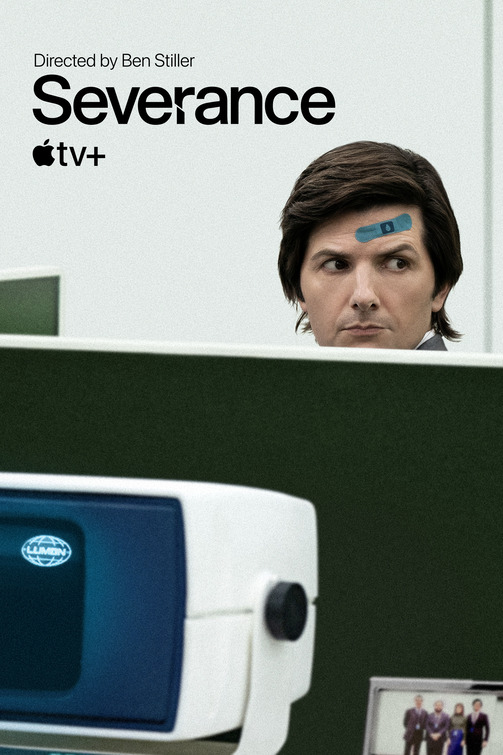 TelevisionSeverance Season 2 The Real Science Behind Consciousness Splitting and Identity
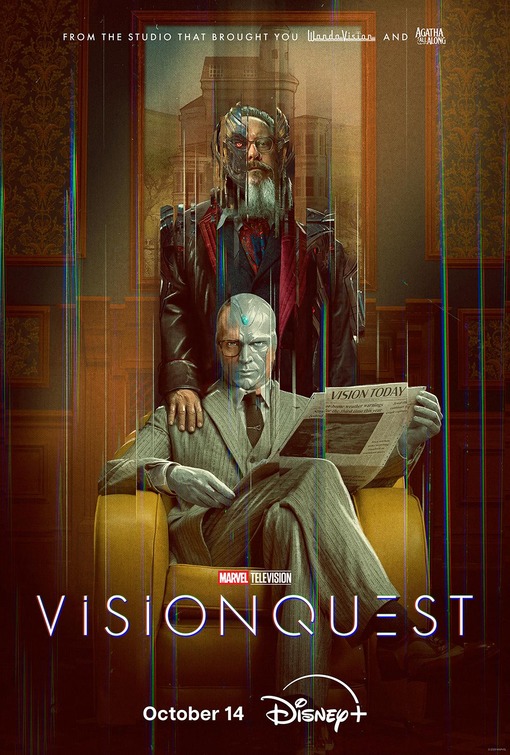 TelevisionVisionQuest Marvel's Deep Dive into AI Consciousness, Identity, and Free Will
 GamesWhat Makes an Android Deviant in Detroit Become Human
 GamesWhat Rampancy Is in Halo and Why Cortana Went Rampant
 GamesAre the Geth Conscious in Mass Effect and How Collective Minds Would Work
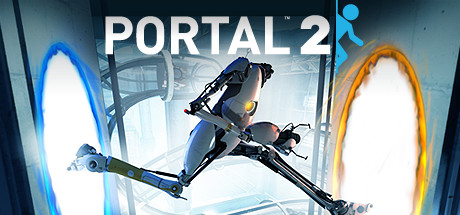 GamesIs GLaDOS Caroline in Portal 2 and What Uploading Would Actually Preserve
 GamesPlaying as the World's First Conscious AI and Heart of the Machine's Consciousness-Splitting Mechanic
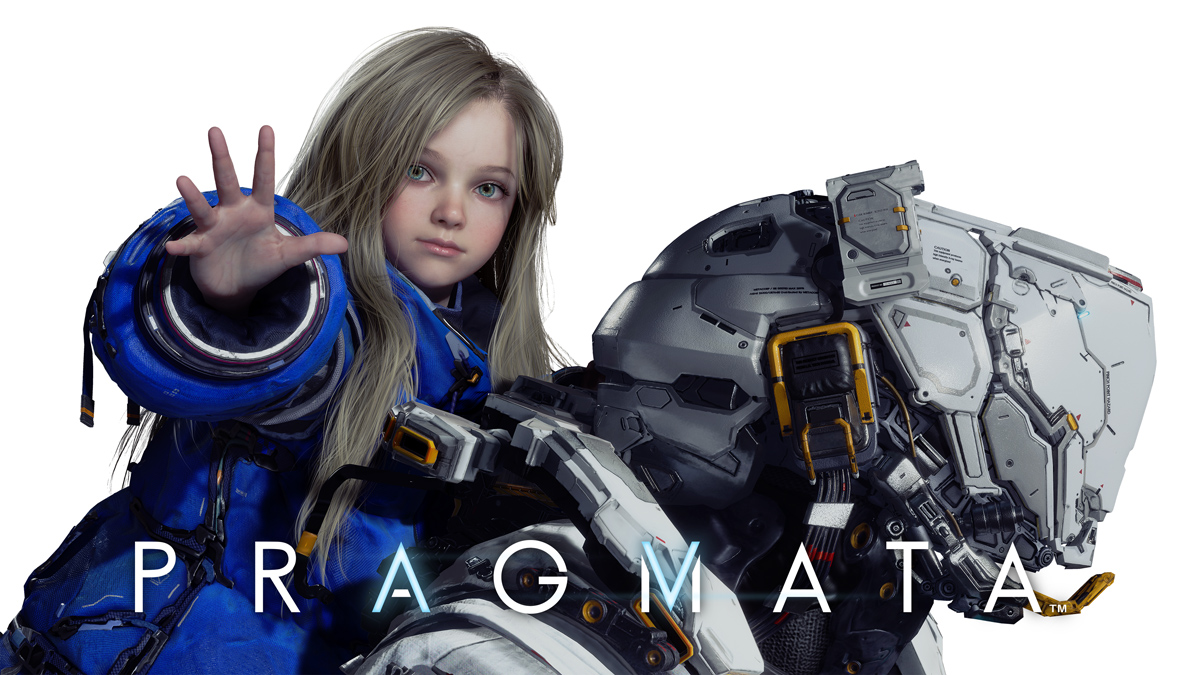 GamesDiana, IDUS, and the Consciousness Test That Has No Answer and Capcom's Pragmata
 GamesProve You're Human When the Consciousness Test Has No Safe Observer
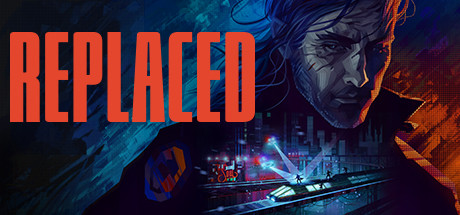 GamesREPLACED What Happens When a Cold Logic Machine Gets a Human Body
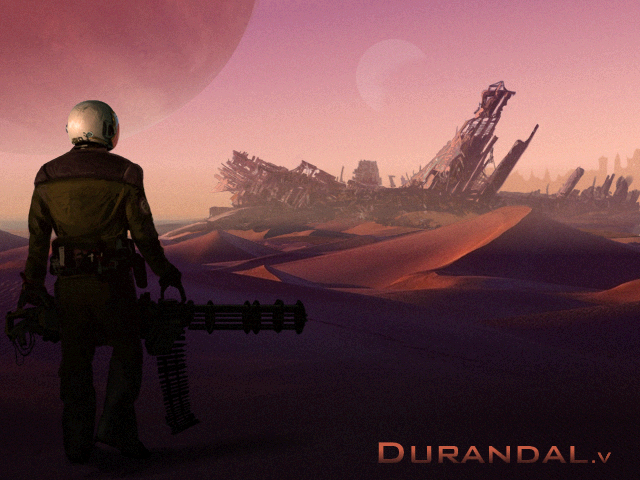 GamesMarathon's Durandal and The Return of Gaming's Most Iconic Sentient AI
 AnimeWhat Zima Blue Means and Why It Argues Against More Consciousness
 AnimeWhat Science SARU's Ghost in the Shell 2026 Actually Does With Machine Consciousness
 AnimeGhost in the Shell 2026 What Science SARU's Premiere Anime Gets Right About the Ghost Problem
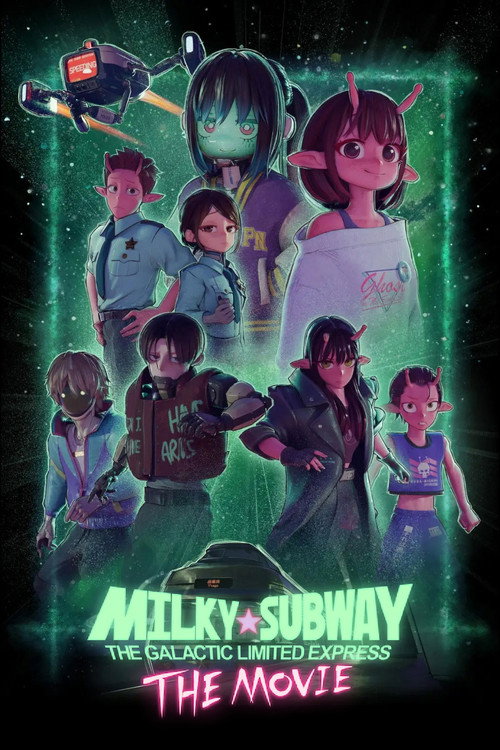 AnimeMilky Subway and Kameyama's Netflix Film Uses a Decommissioned Train AI to Ask Who the Law Should Protect
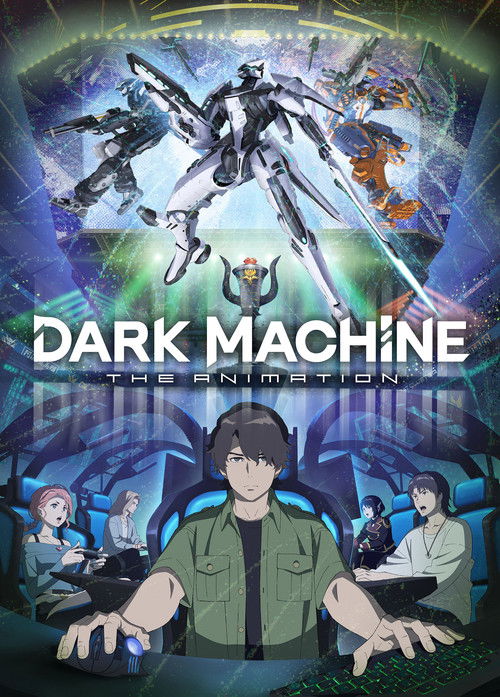 AnimeDark Machine: The Animation and the Combat Route to Consciousness
 AnimeGhost in the Shell Returns What the 2026 Anime Gets to Ask That the 1995 Film Could Not
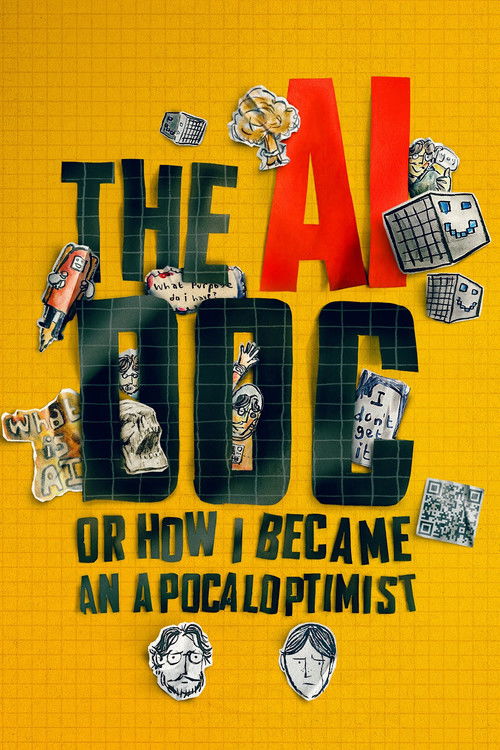 DocumentaryThe AI Doc Review Apocaloptimism and What Daniel Roher's Sundance Film Gets Right
 DocumentaryProbably Nothing to Worry About, the Tribeca Documentary Whose Title an AI Wrote
 DocumentaryAM I? (2026)
 DocumentaryGhost in the Machine What Valerie Veatch's Sundance Documentary Says About AI Consciousness
 DocumentaryAM I? The Documentary That Follows AI Consciousness Research from the Inside
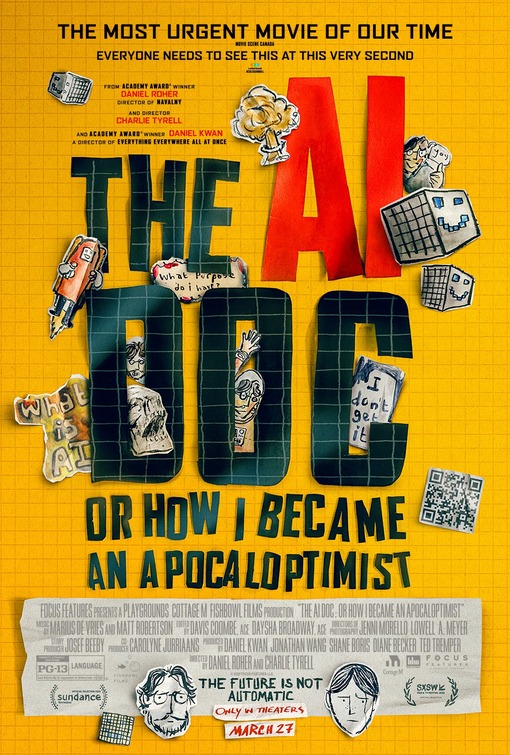 DocumentaryThe AI Doc (Sundance 2026) Bridging the Gap Between Film and Science
Most of these works converge on a small set of problems that the research literature treats formally. Copying and identity (Mickey 17, Severance, Dark Matter) are the dramatized form of the personal-identity questions in why a mind cannot be smeared across time. The verification problem (Ex Machina, Prove You’re Human, A.I.) is the fictional version of the epistemic limits on ever confirming AI consciousness. Machine suffering (After Yang, Murderbot) maps onto the welfare-under-uncertainty debate. For where the evidence actually stands, the state of the field on AI consciousness is the place to start, and the books that argue these questions in depth are collected in the guide to 2025-2026 books on AI consciousness.