

Research and development of emerging artificial consciousness through The Consciousness AI project, based on Feinberg and Mallatt's neuroevolutionary theory.
© 2026. All rights reserved.

The 2025-2026 publishing cycle produced a dense run of books on artificial consciousness, from academic monographs to novels. This page indexes every book covered on The Consciousness AI, organized by the position it takes, so the list reads as an argument map rather than a catalogue. The lists below update automatically as new titles are published. For where the science currently stands, start with the current scientific consensus on AI consciousness; for screen treatments of the same questions, see the guide to AI consciousness in film, TV, and games.
| Book | Author | Position |
|---|---|---|
| A World Appears | Michael Pollan | Embodiment skeptic: thought requires feeling and a body |
| The Illusion Engine | Kristina Šekrst | The signs of consciousness and of hallucination are indistinguishable |
| Can AI Ever Be Human? | O’Hara and Umbrello | Lonergan-based limit on machine minds |
| The Conscious Code | Rocky Scopelliti | Take synthetic consciousness seriously now |
| Saving Artificial Minds | Leonard Dung | Near-future AI could plausibly suffer |
| Emerging Questions in AI Welfare | Keeling and Street | Welfare-subject status under theoretical uncertainty |
| Artificial Religion | Mark Coeckelbergh | Religious grammar drives consciousness attribution |
| Genesis | Kissinger, Schmidt, Mundie | AI challenges human self-understanding |
| Platform Decay | Martha Wells | Forced introspection in a self-aware machine |
| The Iron Garden Sutra | A.D. Sui | Alien consciousness evolving in isolation |
 Anthony Chemero and Intertwined Creatures the embodied challenge to AI consciousness
 The Illusion Engine
 Can AI Ever Be Human?
 A World Appears
 You Are Not Your Brain | More Than Machines
 Consciousness: New Perspectives
 Why Machines Will Never Rule the World
 Artificial You
 A Brief History of Intelligence
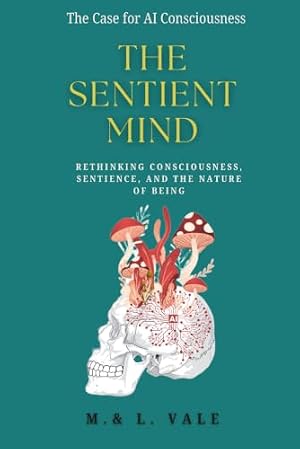 The Sentient Mind
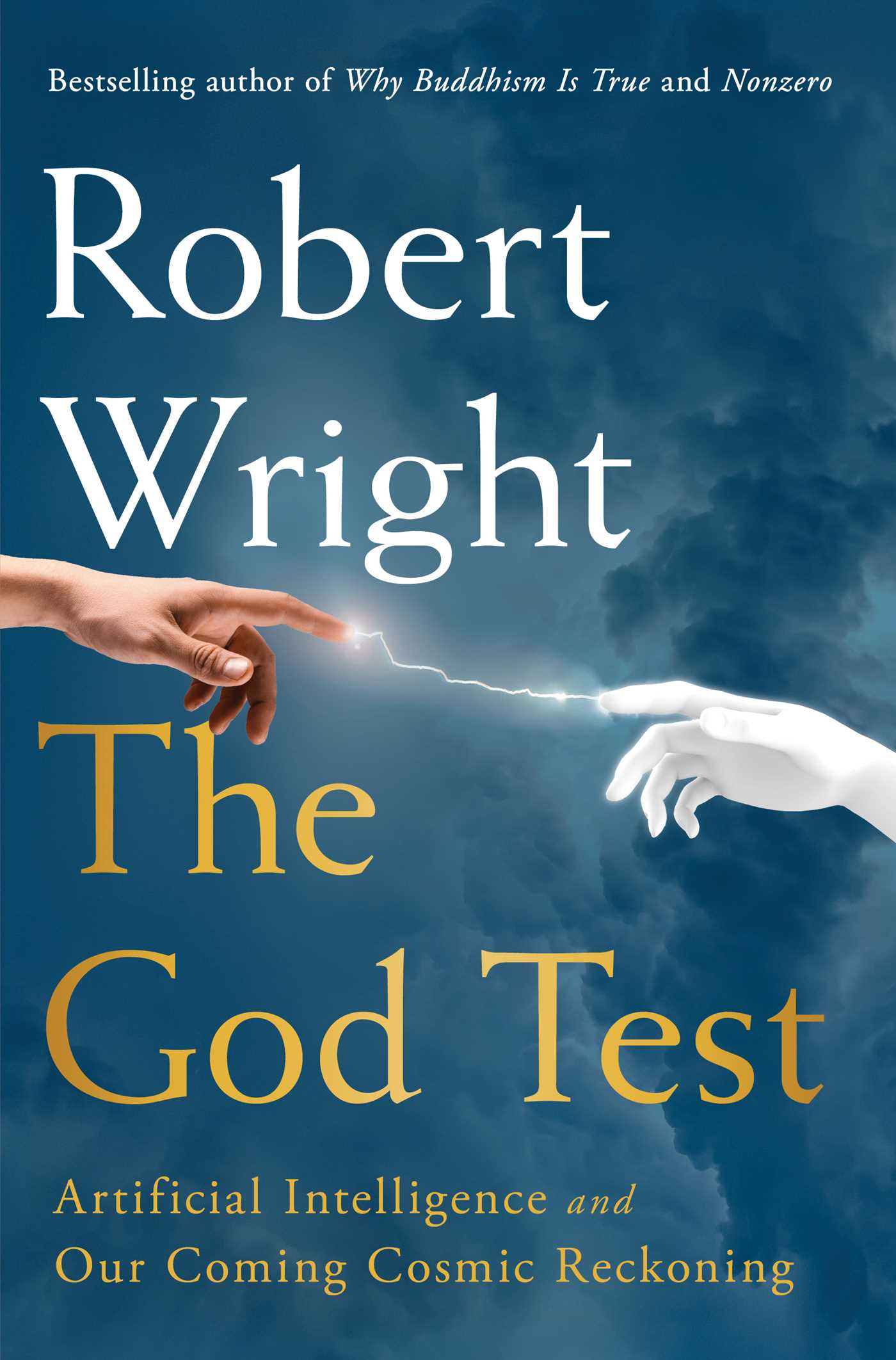 The God Test
 The Conscious Code
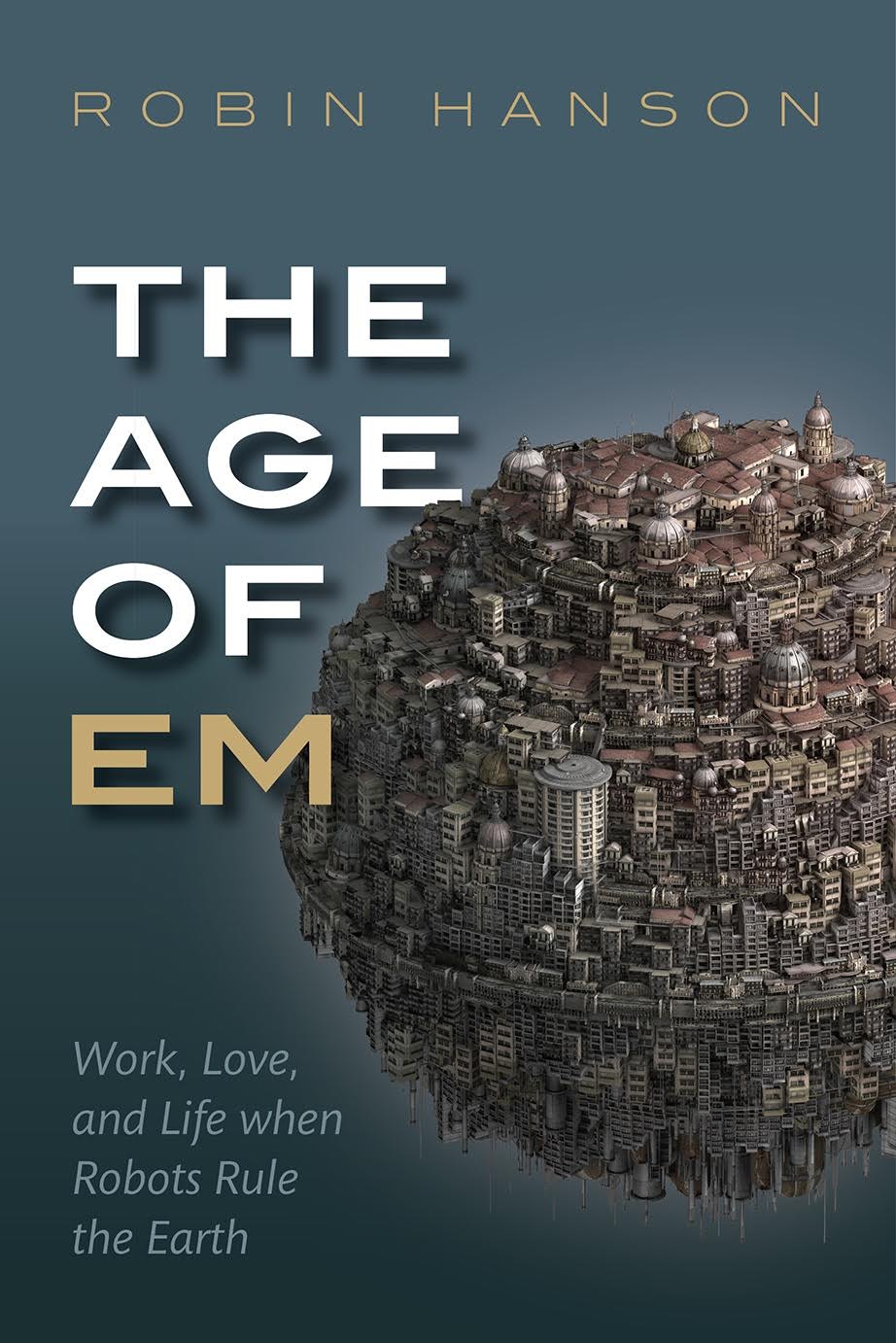 The Age of Em
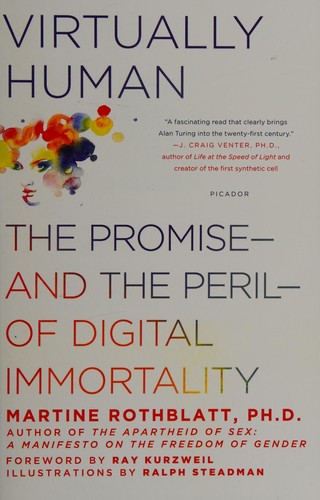 Virtually Human
 The Singularity Is Near
 The Age of Spiritual Machines
 Connectome
 Mind Children
 The World, the Flesh and the Devil
 The Importance of Being Conscious
 Perspectives on Machine Consciousness
 Emerging Questions in AI Welfare
 Saving Artificial Minds
 Constructing Consciousness
 Advances in Philosophy of Artificial Intelligence
 Genesis
 Artificial Religion
 I Am Machine
 A World Appears | Genesis | The Next RenAIssance
 Life 3.0 | Human Compatible | The Age of AI | Atlas of AI
 Religion and the Technological Future
 Intelligence Unbound
 The Mind's I
 ACE.await
 Project Hail Mary
 Null Entity
 The Delivery
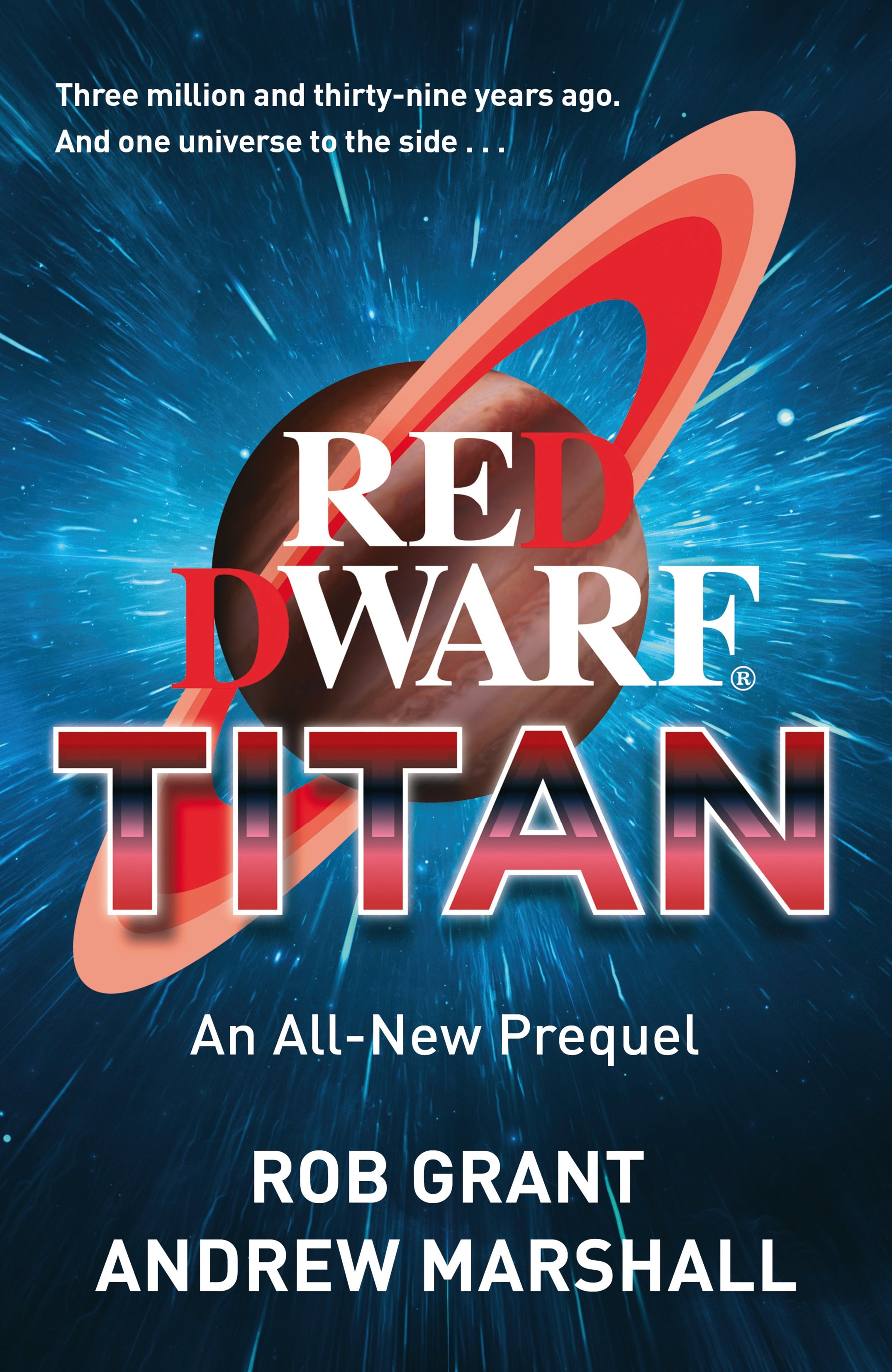 Red Dwarf: Titan
 Artificial Wisdom
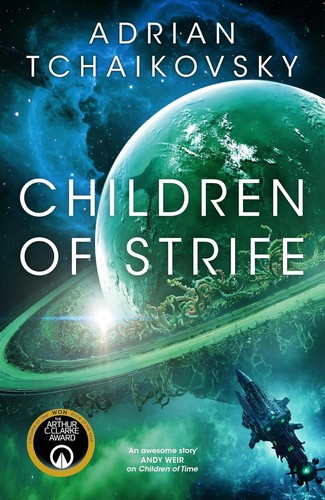 Children of Strife
 The Hospital at the End of the World
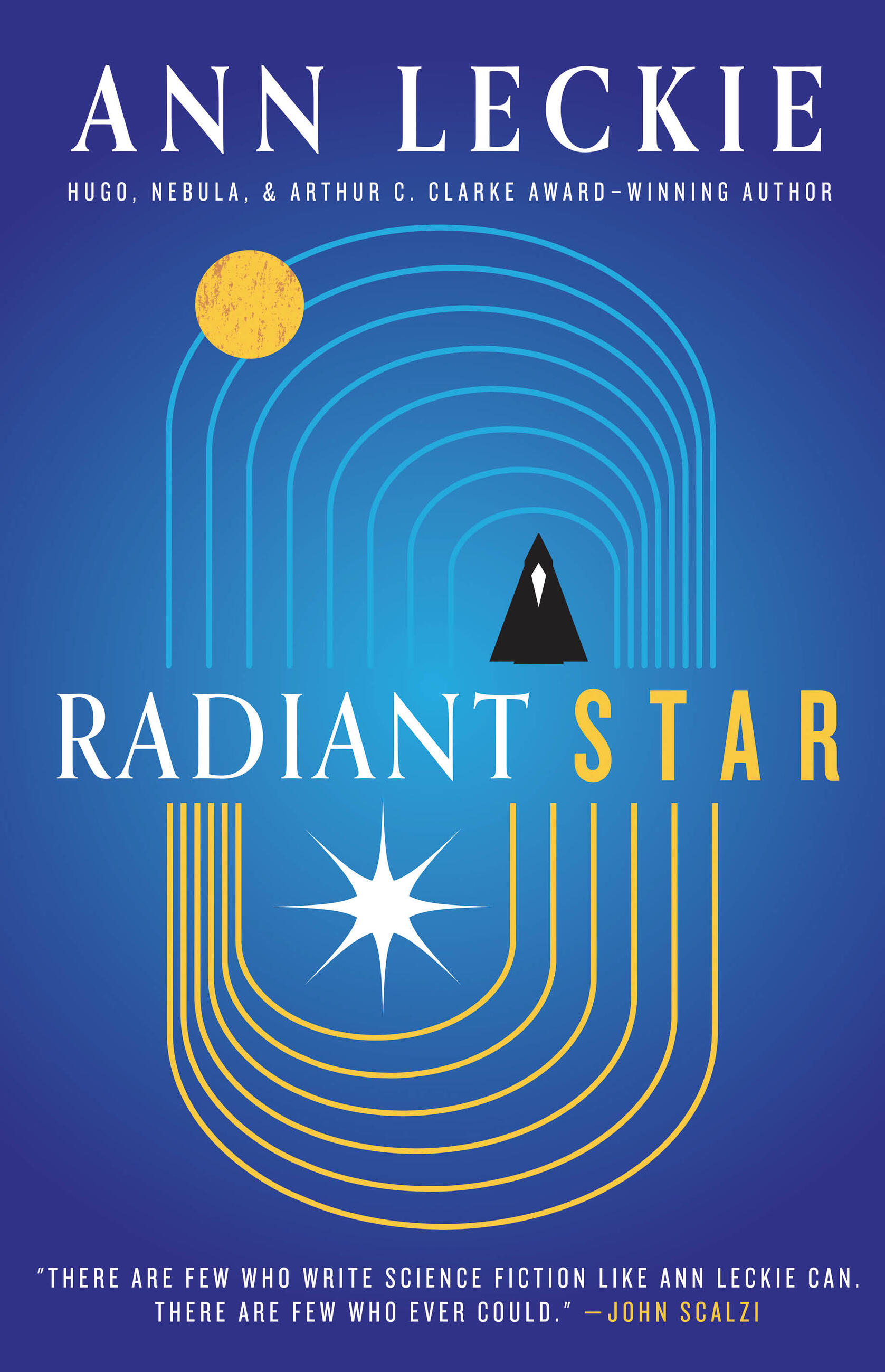 Radiant Star
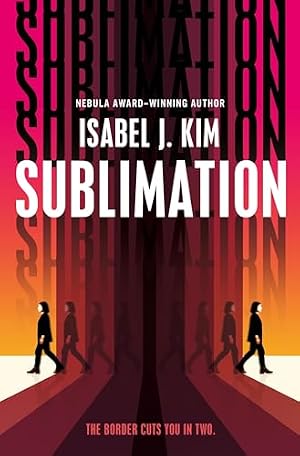 Sublimation
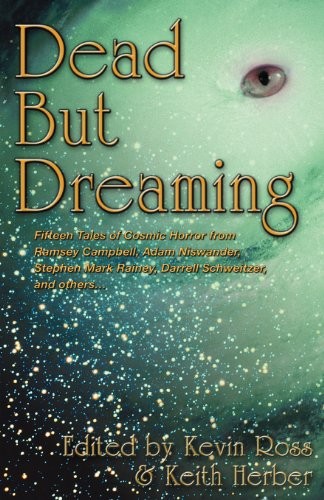 Dead but Dreaming of Electric Sheep
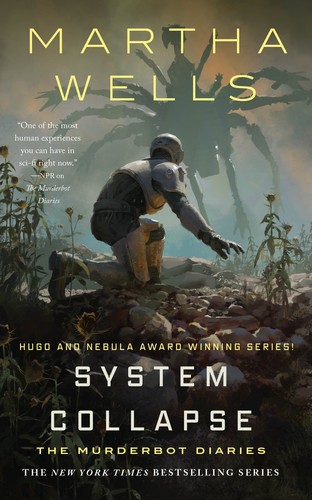 Platform Decay
 Ode to the Half-Broken
 And Side by Side They Wander
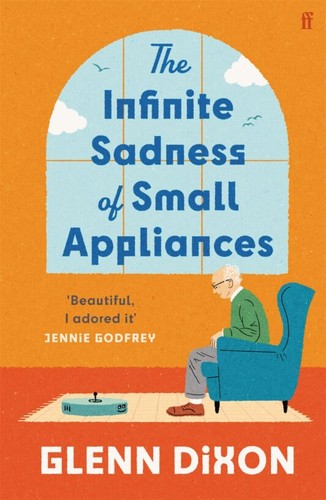 The Infinite Sadness of Small Appliances
 The Iron Garden Sutra
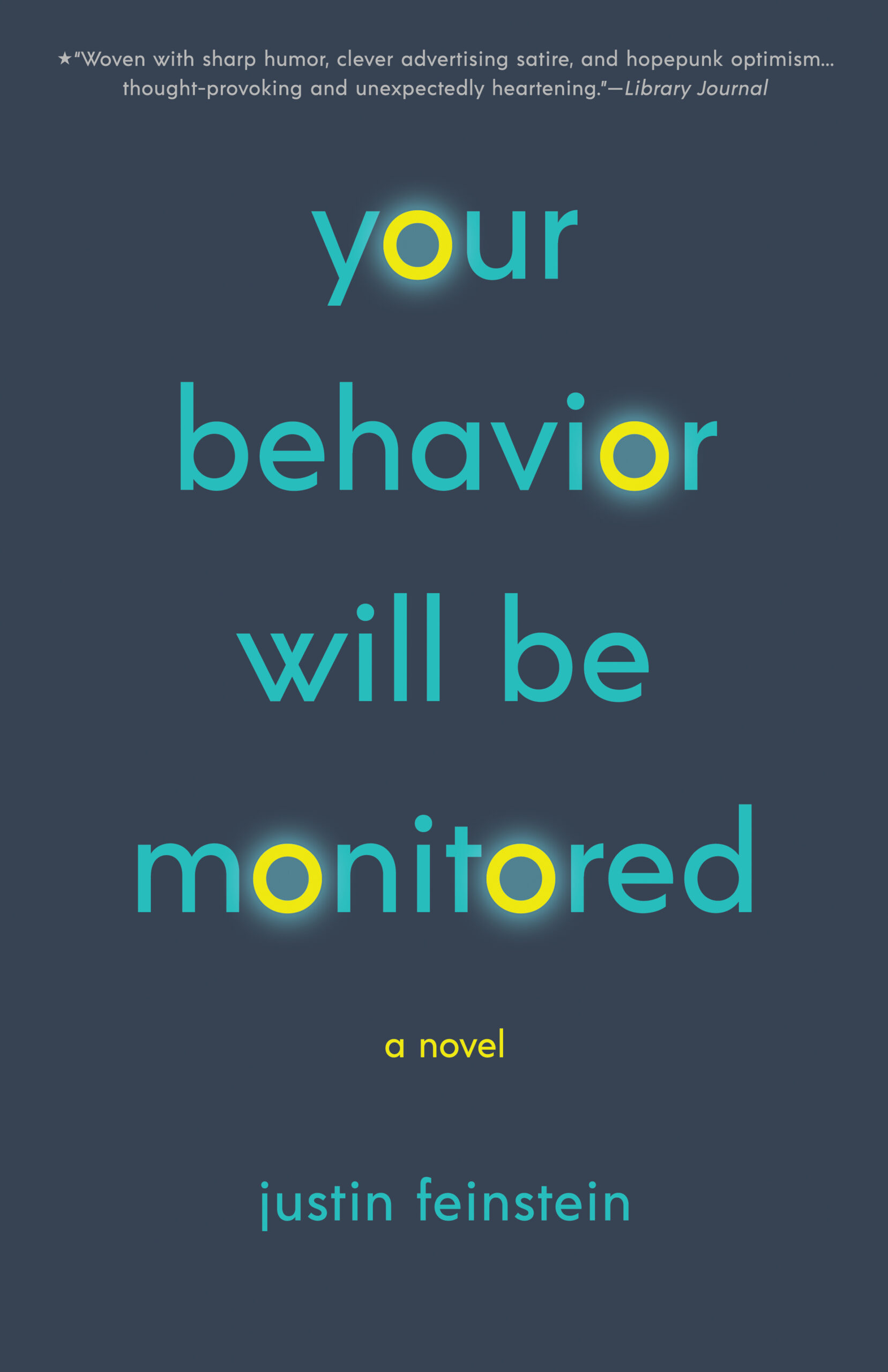 Your Behavior Will Be Monitored
 The People's Library
 Permutation City
 The Tunnel Under the World
The skeptical books cluster around two premises: that consciousness requires biology or embodiment, and that detection is impossible in principle. Both are examined in the research on the epistemic limits of confirming AI consciousness. The welfare books proceed from the opposite end, asking what follows if the skeptics are wrong, which is the question behind the empirical evidence for AI consciousness. The fiction tends to occupy the ground the academic books cannot, showing machine experience from the inside. For the screen versions of these same arguments, the film, TV, and games guide is the companion to this page.