

Open hardware we design
The Consciousness AI designs its own hardware in the open. The CAD files, the code that generates them and the sampling library that will run on the board are free to download, change and share.
The first design is a case for the Tang Nano 9K, the FPGA board planned for the p-bit sampler of the thermospike library. Its 11 vent slots follow the Boltzmann curve, exp(-E/T).
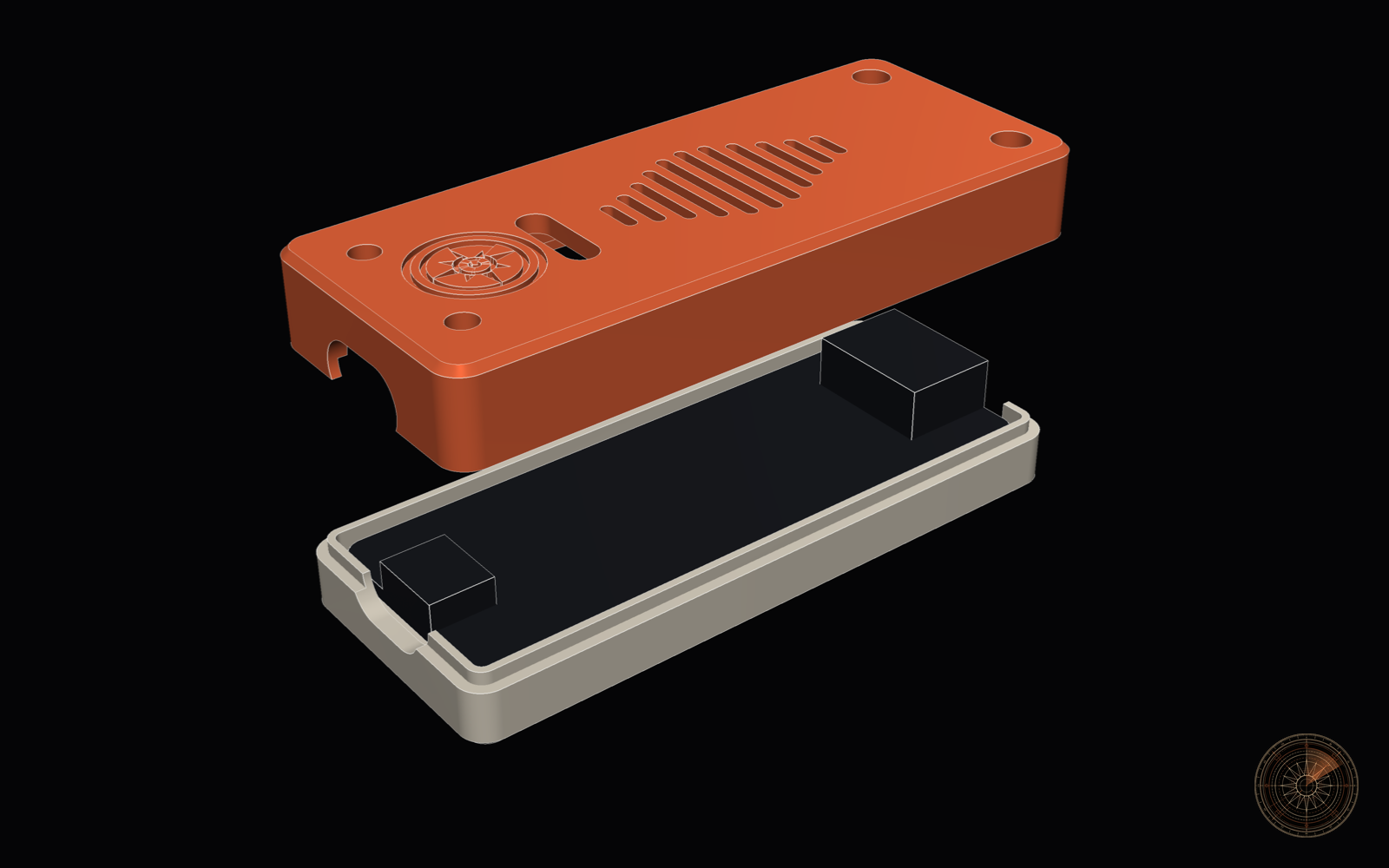
The same sampling computation is built at three levels, and each level is open source. The state of each one is written on it.
A short film shows the case from the board to the last screw, the p-bit idea behind it and the first thermospike test. Watch A box for a computer that runs on noise on YouTube.
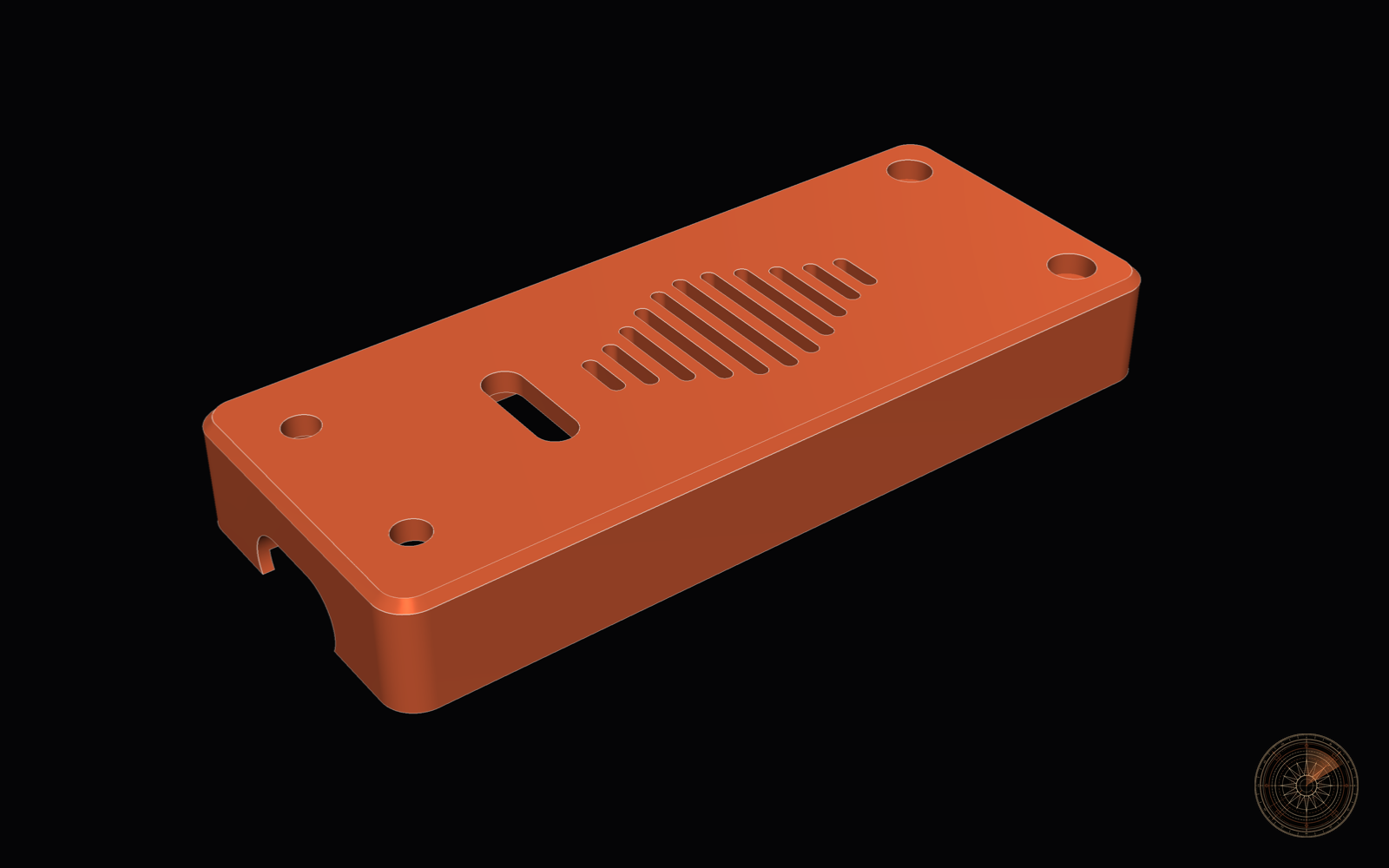
A 3D printable enclosure for the Sipeed Tang Nano 9K FPGA board, generated from Python code with CadQuery. Change one parameter and the geometry builds again.
An open Python library that samples the same Boltzmann distribution with p-bits and with stochastic spiking neurons, and measures what each one costs per effective sample.
Why both
The project treats consciousness as an emergent property that does not depend on one physical substrate. Running the same computation on p-bits, spiking neurons, software noise and physical noise is one concrete way to measure what a substrate changes and what it leaves the same. Small, open tools make that measurement repeatable by anyone.
Progress on each step goes out in the weekly newsletter. Issues and pull requests are open on GitHub. The contributing guide explains how to propose a design.
No printed part is sold here yet. A printed case is offered only after a real print is tested with a board. Any print that is sold uses the plain variant without the project mark.
Parts lists to build each hardware track of the project on a desk, with links to the maker, the maker’s store or Amazon. Each kit states what this project has tested.
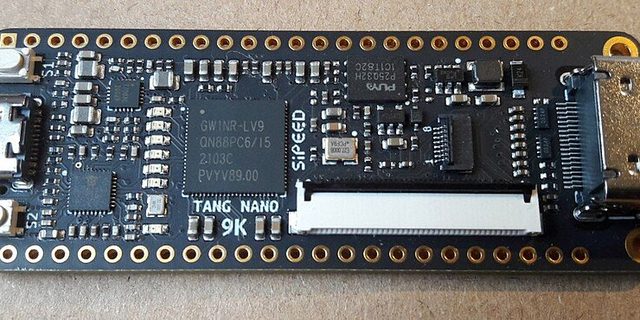 Thermodynamic computing2 kits, p-bits and noise sources
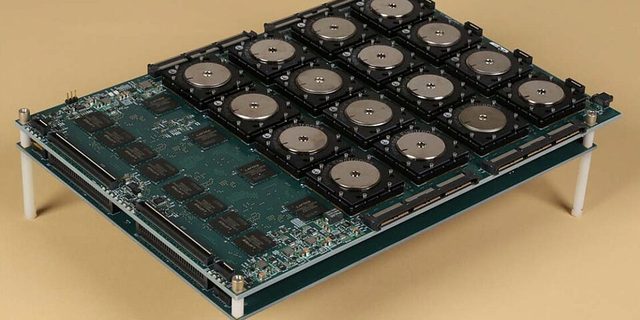 Neuromorphic2 kits, spiking neurons
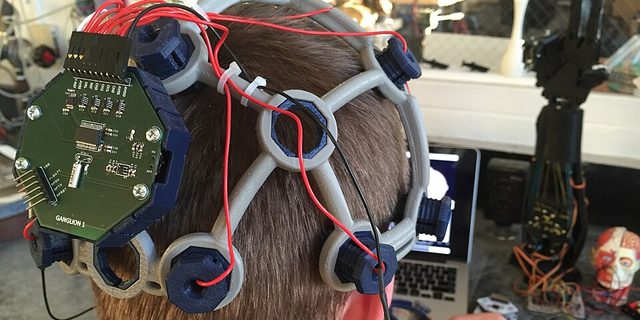 Brain4 kits, EEG and fNIRS
 Bioelectricity1 kit, plant and cell voltage
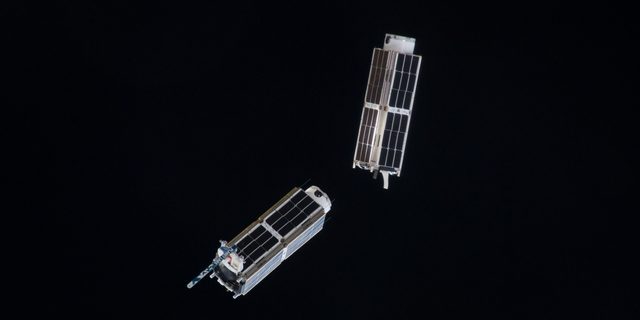 Satellites4 kits, ground stations and CubeSats
Free build guides with a PDF are on the TinyGS ground station and the RTL-SDR satellite receiver pages. The thermodynamic computing hardware guide compares every FPGA board and noise source for p-bits.
The card photos come from Wikimedia Commons and are cropped. Tang Nano 9K by Popolon, CC0. SyNAPSE board by DARPA, public domain. Ultracortex Mark III by Conorrussomanno, CC BY-SA 4.0. Venus flytrap by Noah Elhardt, CC BY-SA 2.5. CubeSats leaving the ISS by NASA, public domain.


