Research and development of emerging artificial consciousness through The Consciousness AI project, based on Feinberg and Mallatt's neuroevolutionary theory.
© 2026. All rights reserved.
The question of whether an artificial system can be conscious is argued by a small field, and the disagreements track the person as much as the evidence. Knowing who holds which position makes the literature far easier to read. This directory has one profile per researcher, grouped by the position their published work defends, and each profile links to every article on this site covering their work. The lists below update automatically as profiles are added. For the positions themselves, see the index of consciousness theories and what each predicts about AI, and for where the evidence stands, the current scientific consensus on AI consciousness.
Each position below also has its own page, with the same list filtered down and a short explanation of what unites the researchers in it.
| Position | What it holds | Where it lands on AI |
|---|---|---|
| Functionalist and computationalist | What matters is the organisation of the processing, not the material | An artificial system can be conscious |
| Integrated information theorist | Consciousness is intrinsic causal power, measured as integrated information | Feedforward architectures are ruled out. Simulations are ruled out |
| Biological naturalist | Consciousness requires living metabolic hardware | Silicon systems are ruled out |
| Illusionist and eliminativist | Phenomenal consciousness as usually described does not exist | The question as posed is malformed |
| Quantum theorist | Consciousness depends on physics classical computers do not reproduce | Classical AI is ruled out |
| Welfare and moral status researcher | Whatever the metaphysics, uncertainty already creates obligations | Act now, under uncertainty |
| Critic and skeptic | Current evidence and current methods do not support the claims being made | No verdict is currently available |
| Cosmist | Mind is not bound to the planet or the biology that produced it | Consciousness can and should leave Earth |
| Builder | The claim is about what the hardware does, and the philosophy is left open | No verdict offered. The instrument is the contribution |
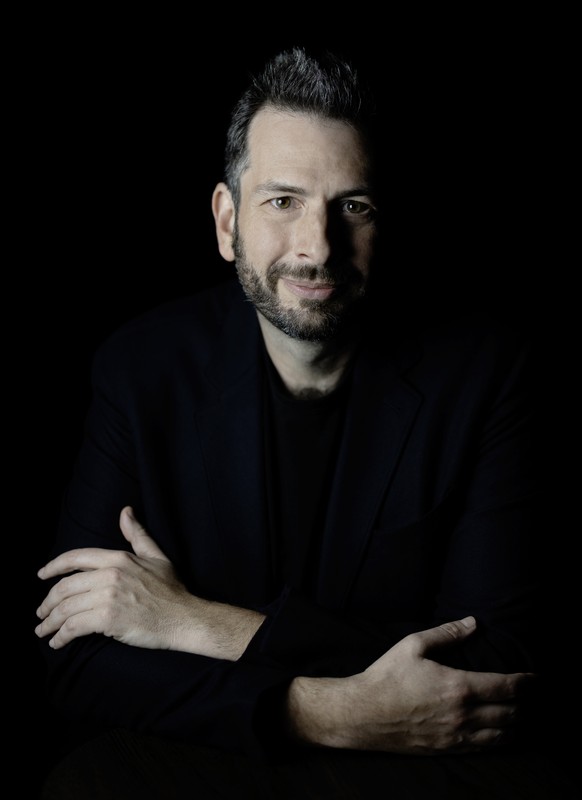 Blaise Agüera y ArcasGoogle VP and Fellow, CTO of Technology & SocietyComputational functionalism, active inference, on-device neural computing, What Is Intelligence? (2025), and Who Are We Now? (2023)
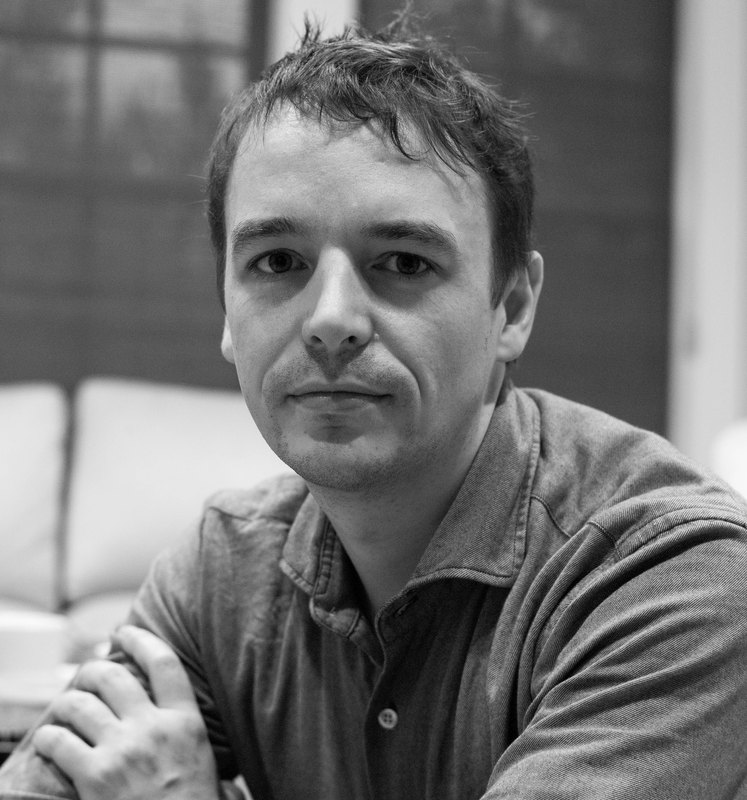 Joscha BachCalifornia Institute for Machine ConsciousnessThe machine consciousness hypothesis, cyber animism, and MicroPsi
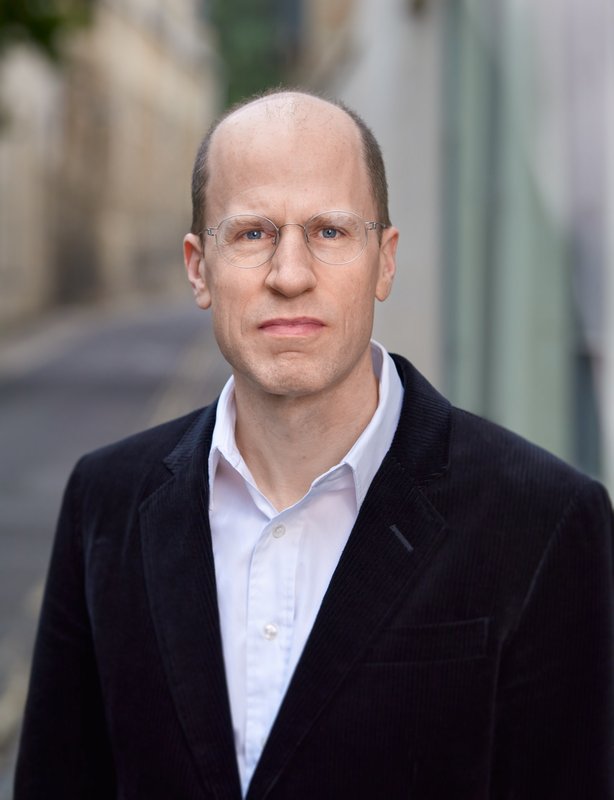 Nick BostromOxford UniversitySuperintelligence (2014), the Simulation Argument (2003), and co-authoring Whole Brain Emulation: A Roadmap (2008)
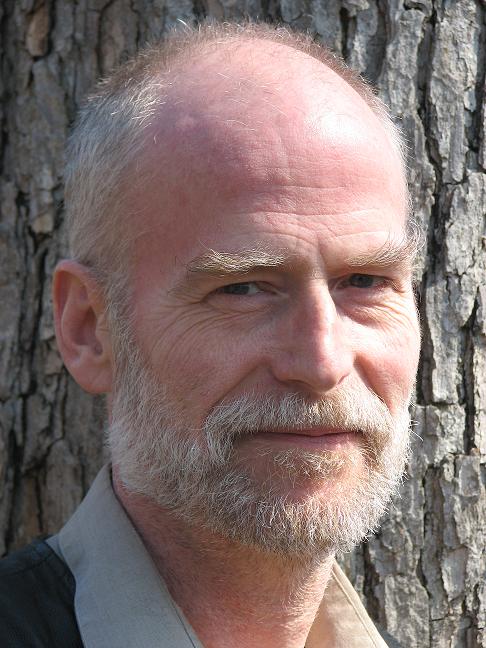 Peter CarruthersUniversity of MarylandDispositionalist higher-order thought theory of consciousness
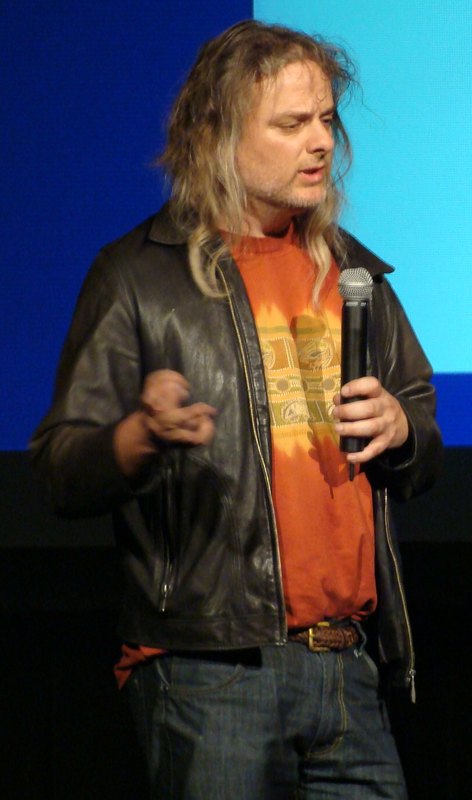 David ChalmersNew York University. Co-director, Center for Mind, Brain and ConsciousnessNaming the hard problem of consciousness, and the philosophical zombie argument
 Gustavo DecoICREA, Universitat Pompeu Fabra, BarcelonaWhole-brain computational models, metastability at the edge of the Hopf bifurcation, the dynamical cortical core
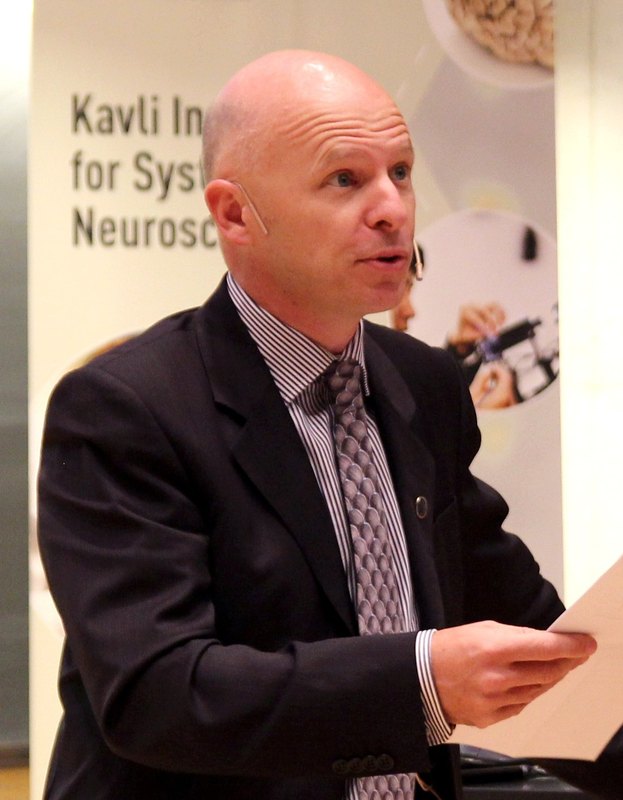 Stanislas DehaeneCollège de France and NeuroSpin, CEA SaclayGlobal neuronal workspace theory, and the ignition signature of conscious access
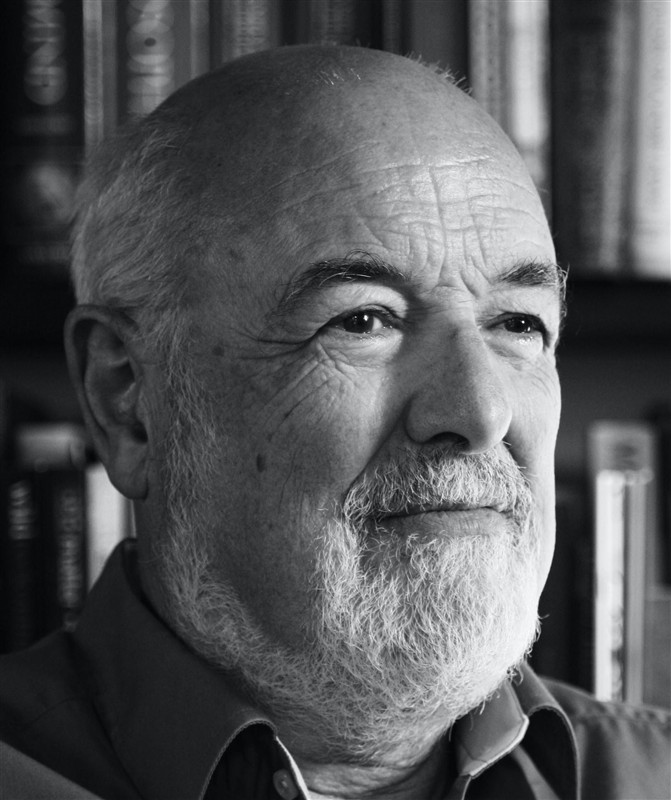 Chris FrithUniversity College LondonAgency and the sense of self, Making Up the Mind, metacognition and awareness, indicator properties collaboration
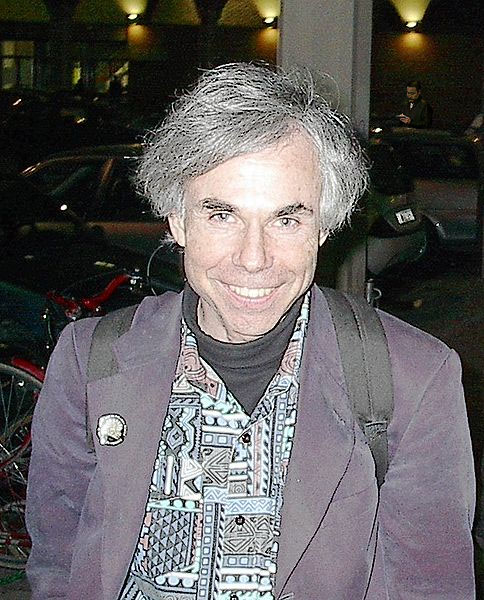 Douglas HofstadterCenter for Research on Concepts and Cognition, Indiana University BloomingtonGödel, Escher, Bach, An Eternal Golden Braid (Pulitzer Prize 1979), Strange Loops, I Am a Strange Loop (2007), fluid analogies, analogical cognition
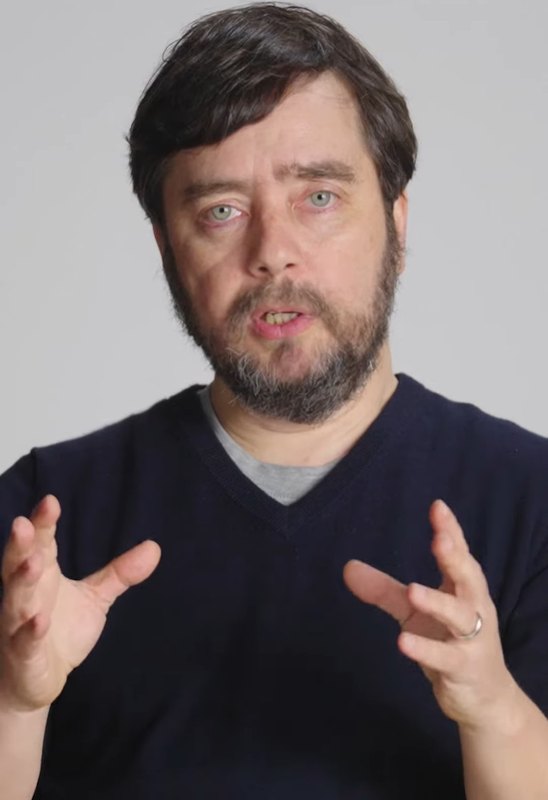 Michael LevinAllen Discovery Center, Tufts UniversityBioelectric signalling, the cognitive light cone, and diverse intelligence
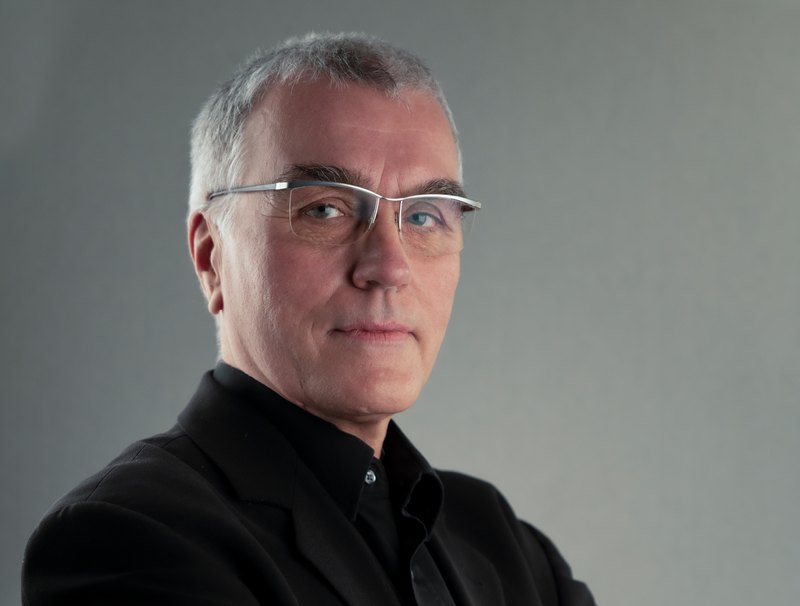 Thomas MetzingerJohannes Gutenberg University of Mainz, emeritusThe self model theory of subjectivity, phenomenal transparency, and a proposed moratorium on synthetic phenomenology
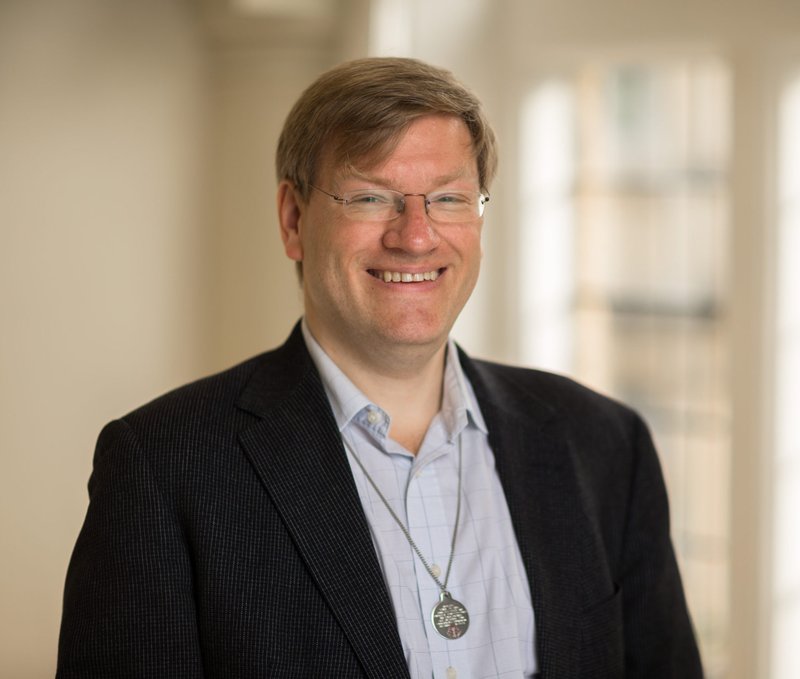 Anders SandbergFuture of Humanity Institute, Oxford UniversityCo-author of Whole Brain Emulation: A Roadmap (2008) with Nick Bostrom, computational neuroscience, and technological futures
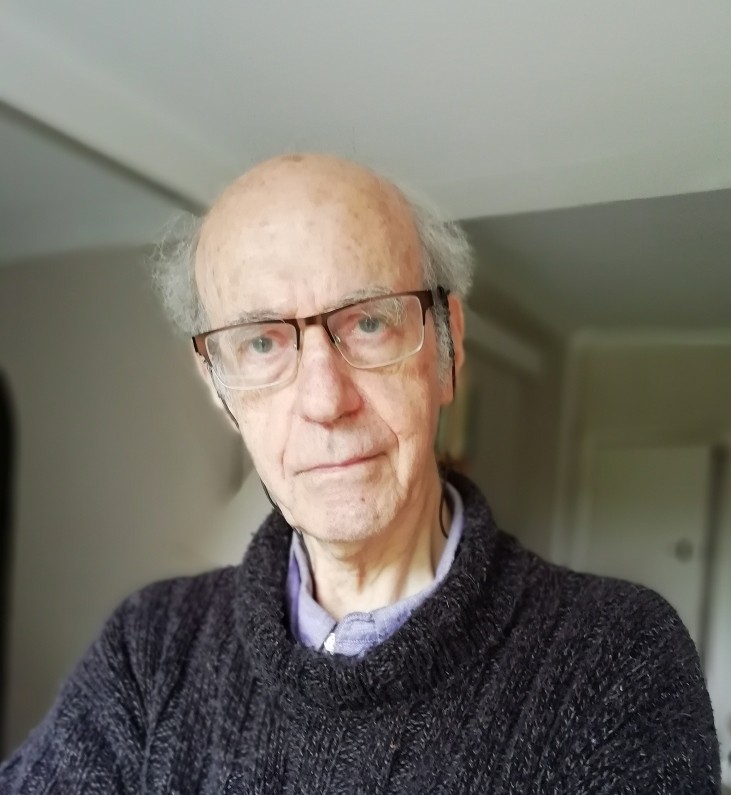 Aaron SlomanUniversity of BirminghamVirtual machine functionalism, the CogAff architecture schema, The Computer Revolution in Philosophy, developmental approaches to machine minds
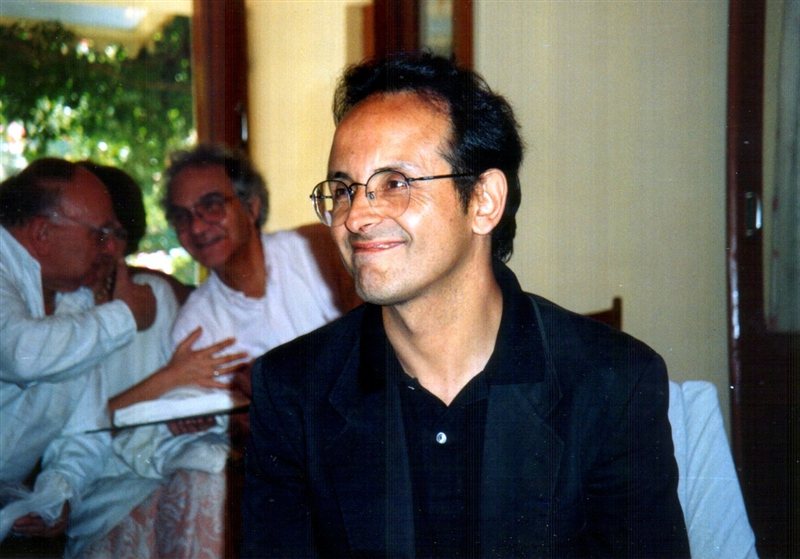 Francisco VarelaCNRS, Hôpital de la Salpêtrière, ParisThe brainweb hypothesis of phase synchrony, neurophenomenology, dynamic links as the mechanism of large-scale integration
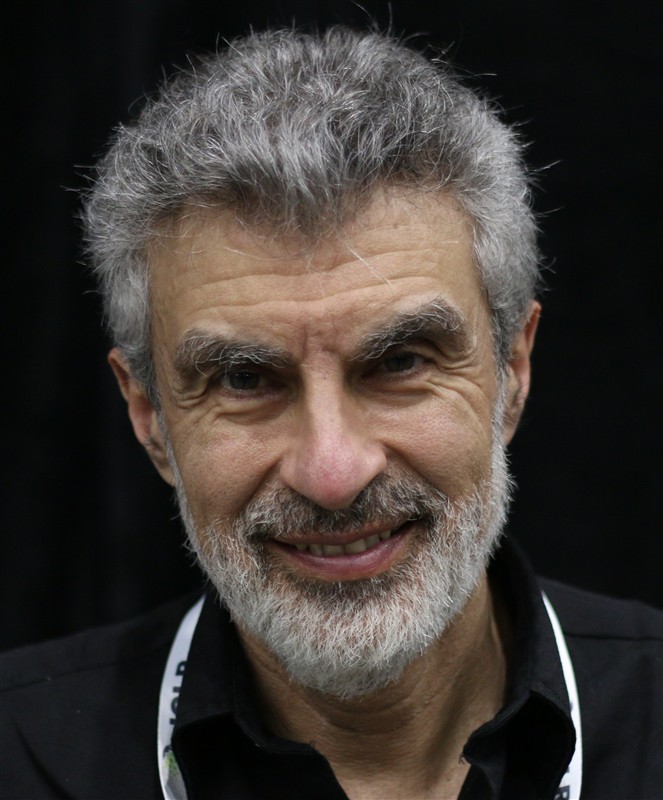 Yoshua BengioMila, Université de MontréalThe Consciousness Prior, deep learning foundations, Turing Award, global workspace-inspired representation learning
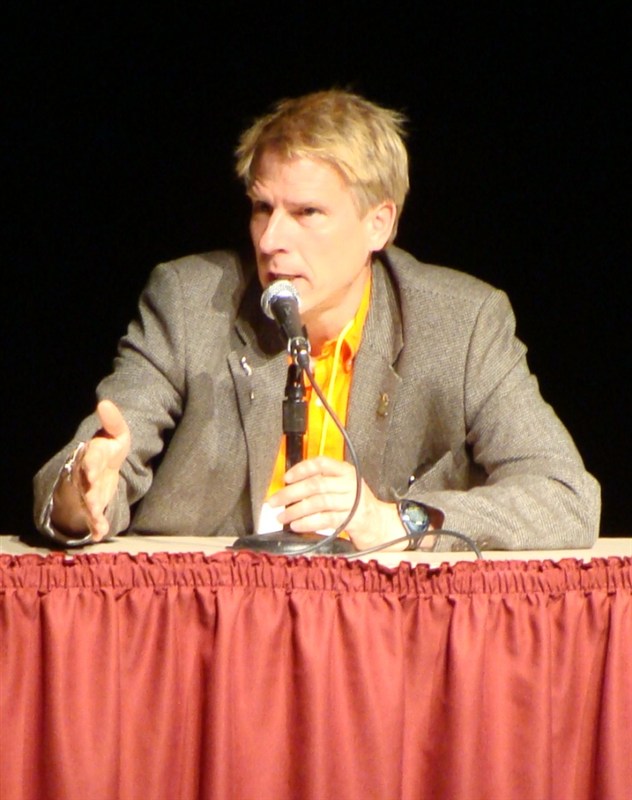 Christof KochAllen Institute for Brain Science and the Tiny Blue Dot FoundationNeural correlates of consciousness and co-development of Integrated Information Theory
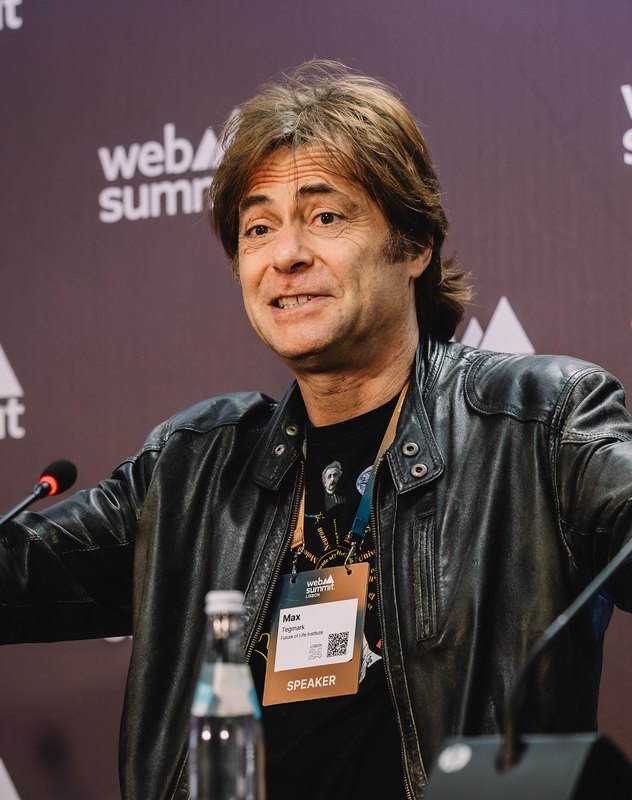 Max TegmarkMassachusetts Institute of TechnologyPerceptronium, and consciousness as a state of matter
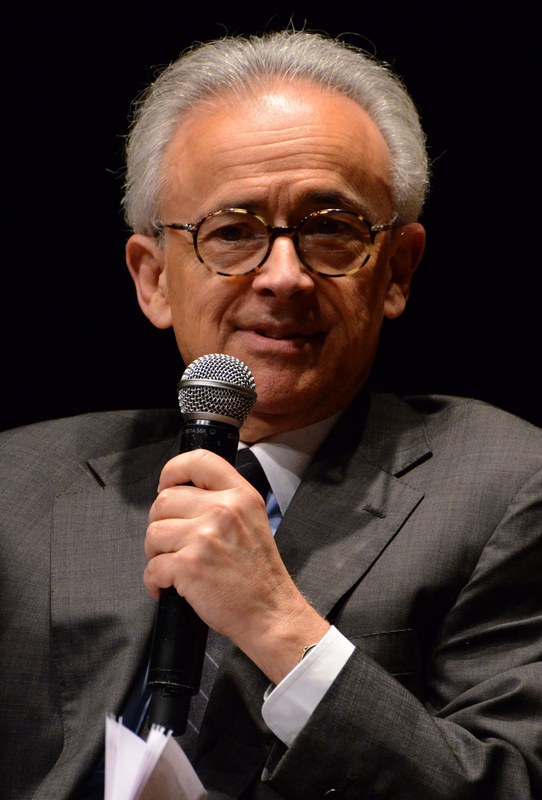 Antonio DamasioBrain and Creativity Institute, University of Southern CaliforniaSomatic Marker Hypothesis, neurobiology of emotion and feeling, homeostasis, Descartes' Error (1994), The Feeling of What Happens (1999), Self Comes to Mind (2010)
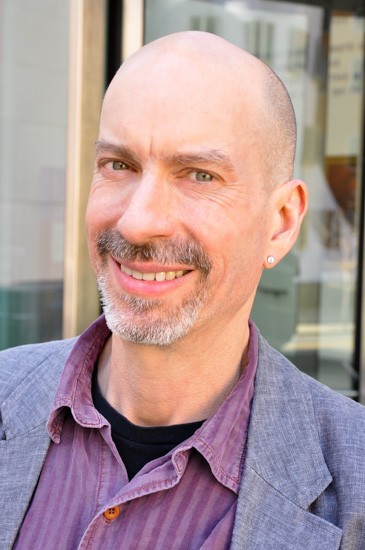 Earl K. MillerPicower Institute for Learning and Memory, MITPrefrontal cortex dynamics, traveling waves, ephaptic field coupling, top-down cognitive control, and Analog Cognition and Consciousness (2026)
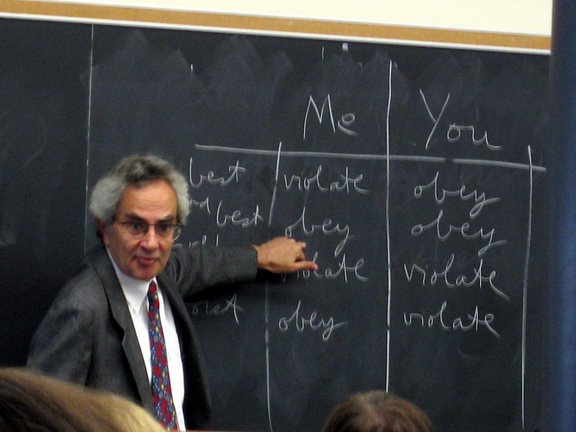 Thomas NagelNew York UniversityWhat Is It Like to Be a Bat? (1974), the subjective character of experience, and Mind and Cosmos (2012)
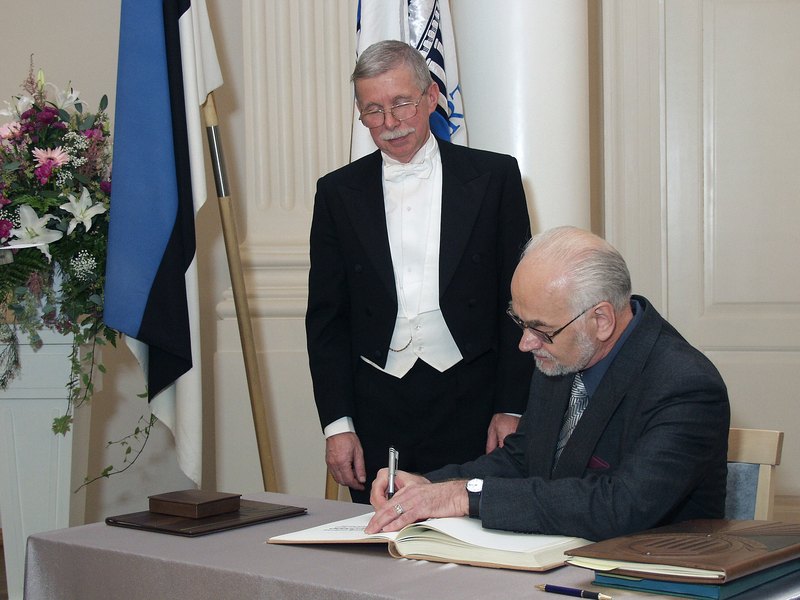 Jaak PankseppWashington State University. 1943 to 2017Founding affective neuroscience, and the seven primary emotional systems
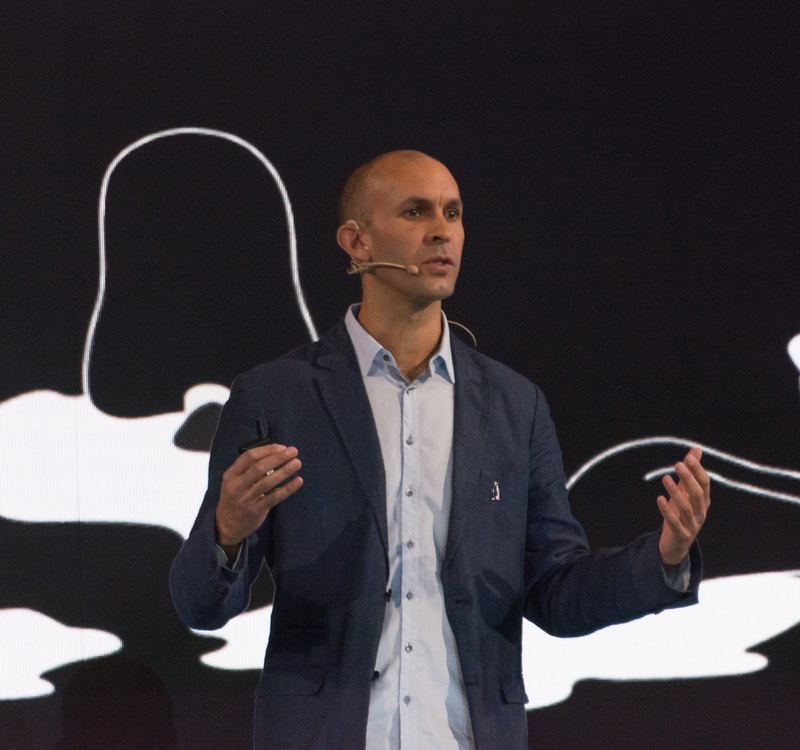 Anil SethSussex Centre for Consciousness Science, University of SussexThe beast machine hypothesis, and controlled hallucination as an account of perception
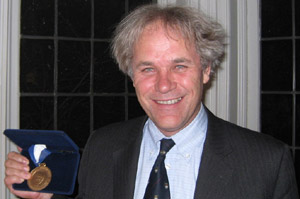 Mark SolmsUniversity of Cape TownNeuropsychoanalysis, and the brainstem account of affective consciousness
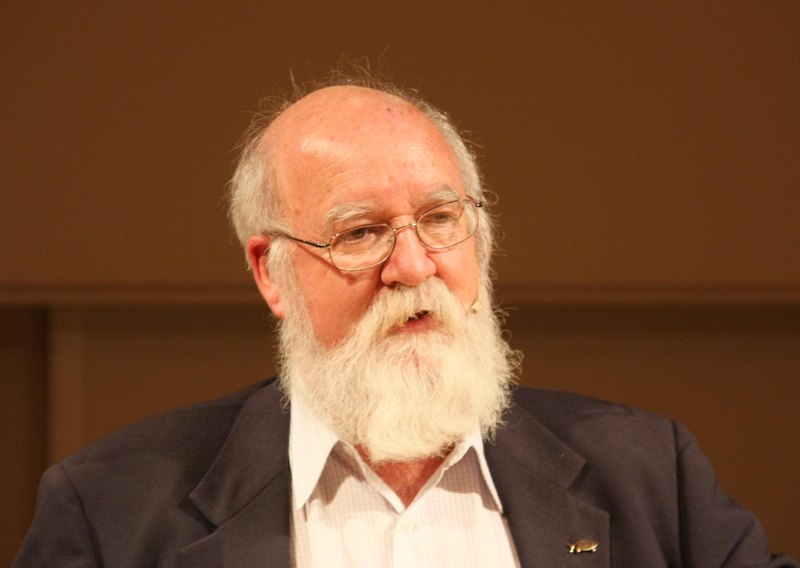 Daniel DennettTufts University. 1942 to 2024The Multiple Drafts Model, the Cartesian Theater critique, and heterophenomenology
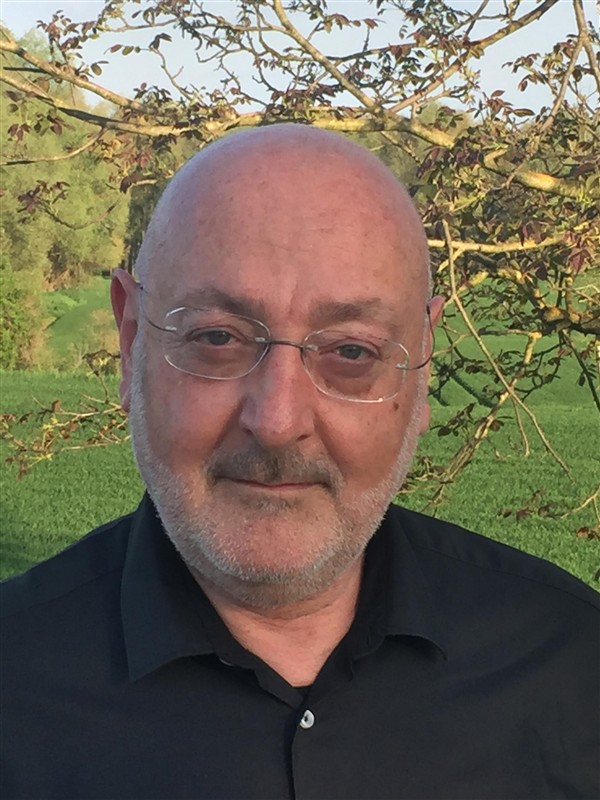 Giacomo Mauro D'ArianoUniversity of PaviaQuantum information foundations of physics, deriving quantum theory from informational axioms, Quantum Information Panpsychism with Federico Faggin
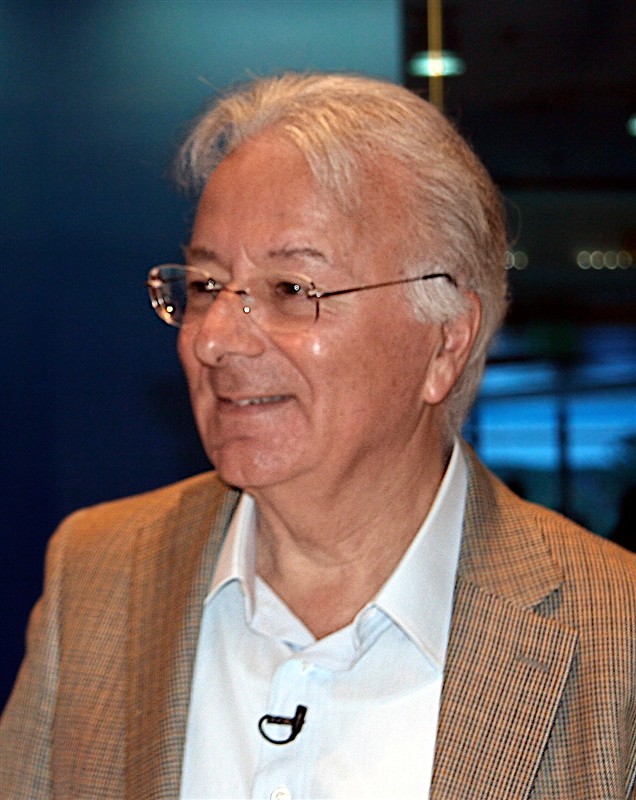 Federico FagginFederico and Elvia Faggin FoundationInventing the microprocessor, Quantum Information Panpsychism, Irreducible, the argument that classical computers cannot be conscious
 Jonathan BirchLondon School of Economics and Political ScienceThe Edge of Sentience, the LSE Criteria, and the run-ahead principle
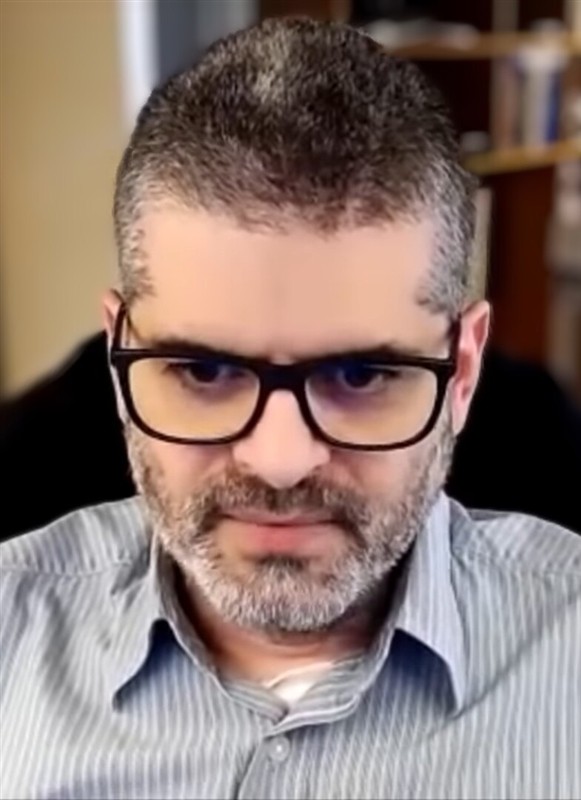 Bernardo KastrupEssentia FoundationAnalytic idealism, the mentation-only universe, critiques of physicalism and emergentist AI consciousness, Essence of Consciousness arguments
 Susan SchneiderCenter for the Future Mind, Florida Atlantic UniversityArtificial Consciousness Tests (ACT), Artificial You, AI and the Future of Your Mind (Princeton, 2019), AI safety & cognitive rights, NASA-Baruch Blumberg Chair at Library of Congress
 J. D. BernalBirkbeck College, University of London. Ireland, 1901 to 1971The World, the Flesh and the Devil (1929), the Bernal sphere space habitat, and X-ray crystallography of proteins
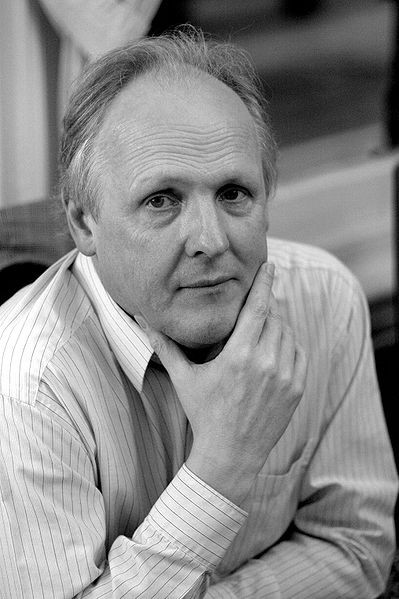 Steve FurberDepartment of Computer Science, University of ManchesterSpiNNaker, the million-core spiking neural network supercomputer, ARM processor architecture
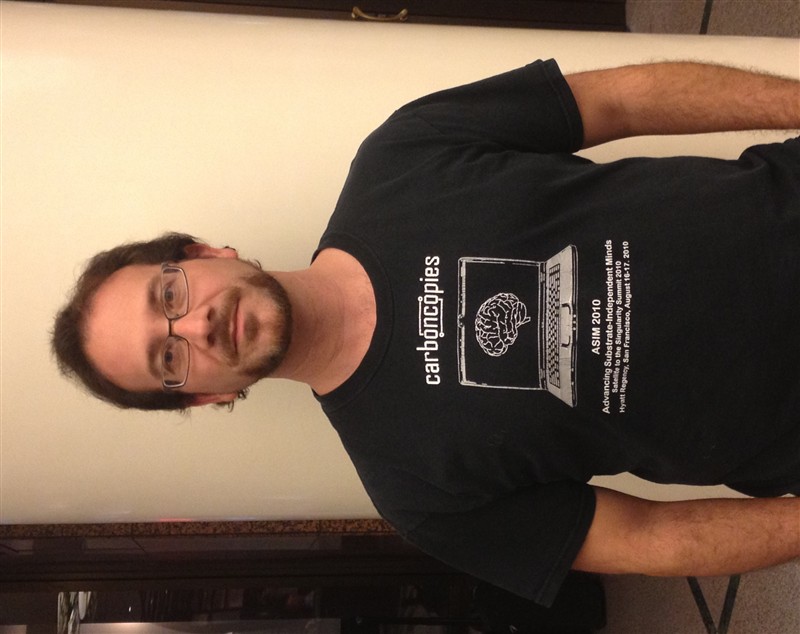 Randal KoeneCarboncopies FoundationSubstrate-independent minds, whole brain emulation, the Carboncopies foundation, cortical interfaces
A researcher’s position on AI consciousness is usually downstream of their position on what consciousness is in the biological case. Anil Seth rules out silicon because he holds that experience depends on a living body regulating itself. Giulio Tononi rules out most current architectures because feedforward networks carry almost no integrated information. Joscha Bach accepts artificial consciousness because he treats the mind as a self organising software process. None of these are conclusions about AI. They are conclusions about consciousness that AI inherits.
The welfare researchers cut across the whole set. Jonathan Birch, Robert Long, Jeff Sebo and Patrick Butlin argue that the correct response to unresolved metaphysics is a precautionary framework rather than a verdict, which is why their work appears in policy documents while the theoretical dispute continues.
This directory is incomplete on purpose. It grows as articles are published, because every new article names the researchers it covers and any name without a profile gets one. If someone working in the field is missing, they have not been covered here yet rather than judged unimportant.
These profiles describe published work. They do not claim that anyone listed here supports, endorses, or is involved with this project, and none of them has been asked to be. Any researcher who wants their profile corrected or removed can write to [email protected] and it will be done.
This project works under functionalist emergentism, described on the functionalist emergentism page. Its code is public at github.com/tlcdv/the_consciousness_ai.