
Kristina Sekrst
University of Zagreb
Illusionist Phenomenal consciousness as usually described does not exist
Kristina Šekrst is a philosopher at the University of Zagreb working on philosophy of language, logic, and the philosophy of mind as applied to artificial intelligence. Her 2026 Springer monograph The Illusion Engine, A Deliberative Thinking Machine argues that the signs of consciousness and of hallucination in AI systems are indistinguishable, and that this indistinguishability is not an engineering flaw but a philosophical fact about machine minds.
In the Journal of Consciousness Studies, her 2025 paper “Do Large Language Models Hallucinate Electric Fata Morganas?” extends the argument. Hallucinations in language models, outputs that are made up or contradict source material, are usually treated as a defect. Šekrst argues they have philosophical significance. The sampling parameters that make a model seem creative or spontaneous are the same ones that raise its hallucination rate, which means a model’s self-reports of emotion or sentience come within the definition of hallucination.
Her conclusion is epistemic. Any future machine consciousness might remain epistemically inaccessible, because it would be indistinguishable from a sufficiently advanced hallucination. The position places her in the illusionist and deflationary camp on machine minds, alongside Keith Frankish, while her method, linguistic analysis of machine output, is distinct.
Known for. The Illusion Engine (Springer 2026), hallucination and machine consciousness, the indistinguishability of hallucination and experience in AI self-reports
Coverage on this site
- Kristina Sekrst Shows Faithful Chain of Thought Cannot Be Conscious Narration September 2026
- Do LLMs hallucinate electric fata morganas Sekrst on the indistinguishability of machine minds August 2026
Related researchers
-
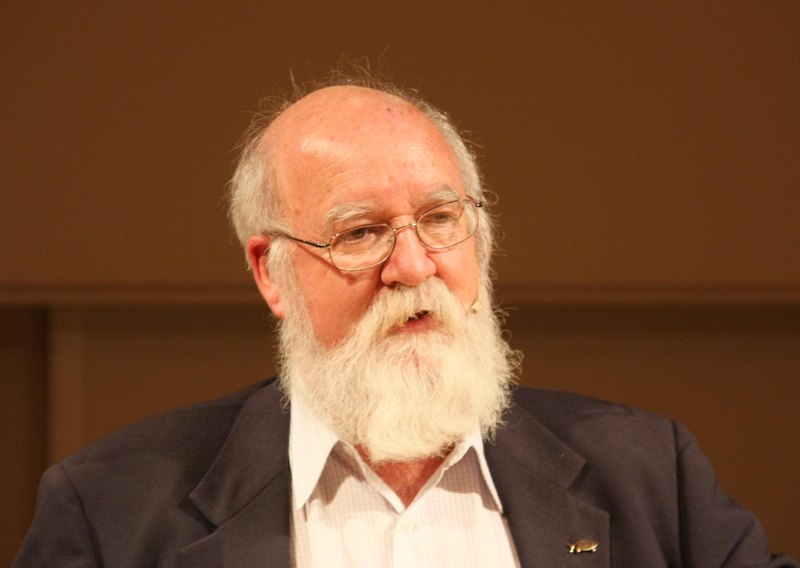 Daniel DennettTufts University. 1942 to 2024The Multiple Drafts Model, the Cartesian Theater critique, and heterophenomenology
- Keith FrankishUniversity of SheffieldIllusionism about phenomenal consciousness
Kristina Sekrst is listed with the other illusionists and eliminativists, who hold that phenomenal consciousness as usually described does not exist. The theory family behind that position is set out in the index of consciousness theories. Every researcher covered on this site is indexed in the directory of consciousness researchers.