Biological Naturalist Researchers on AI Consciousness
Biological naturalists hold that consciousness requires the specific causal powers of living neural tissue, not just an equivalent pattern of information flow. Anil Seth’s beast machine hypothesis grounds experience in interoceptive control loops that regulate a body from the inside, a job silicon hardware is not built to do. John Searle, who coined the position’s name, argued through the Chinese Room that manipulating syntax alone never adds up to semantics or understanding. Todd Feinberg and Jon Mallatt trace the same requirement back through evolutionary history, dating the origin of subjective experience to nervous system structures that first appeared in the Cambrian. Mark Solms locates the seat of affective consciousness in brainstem circuits rather than the cortex most AI research tries to emulate.
Under this position, an artificial system can reproduce every observable behaviour of a conscious organism and still not be conscious, because the metabolic substrate itself is doing indispensable work. For the underlying theory, see biological naturalism on the consciousness theories index; for the full researcher directory, see all consciousness researchers.
-
FB
František BaluškaUniversity of BonnCellular consciousness, subcellular nanobrains, plant neurobiology, sentient cells as units of physiology
1 article
-
TB
Tristan A. BekinschteinDepartment of Psychology / Consciousness and Cognition Lab, University of CambridgeClinical biomarkers of consciousness, local-global auditory paradigm, transitions from wakefulness to sedation, neural dynamics of awareness
1 article
-
TB
Tomas Berjaga-BuisanComputational Neuroscience Group, Center for Brain and Cognition, Universitat Pompeu Fabra, BarcelonaNon-equilibrium thermodynamics of whole-brain models, fluctuation-dissipation theorem violations as a non-invasive consciousness marker
1 article
-
DB
Douglas BlackistonAllen Discovery Center at Tufts UniversityMemory stability during brain remodeling, xenobot platform design, amphibian memory transplantation work
1 article
-
SB
Scott L. BrincatPicower Institute for Learning and Memory, MITElectrophysiology of primate prefrontal cortex, traveling oscillatory waves, and Analog Cognition and Consciousness (2026)
1 article
-
PC
Paco CalvoUniversity of MurciaPlant cognition and plant neurobiology, minimal cognition without neurons, Planta Sapiens, cognitive ecology of plants
1 article
-
RC
Robin Carhart-HarrisNeuroscape / UC San Francisco / Imperial College LondonThe Entropic Brain Hypothesis (2014, 2018), REBUS model of relaxed beliefs under psychedelics, functional neuroimaging of altered conscious states
1 article
-
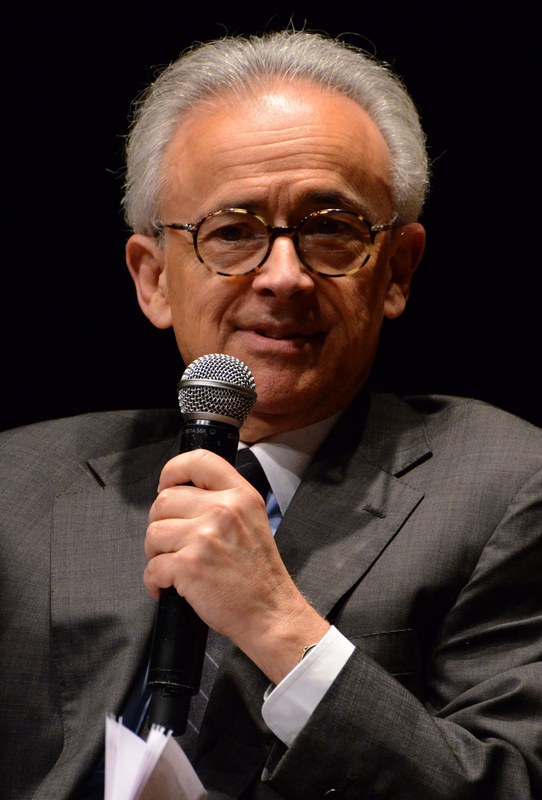 Antonio DamasioBrain and Creativity Institute, University of Southern CaliforniaSomatic Marker Hypothesis, neurobiology of emotion and feeling, homeostasis, Descartes' Error (1994), The Feeling of What Happens (1999), Self Comes to Mind (2010)
2 articles
Antonio DamasioBrain and Creativity Institute, University of Southern CaliforniaSomatic Marker Hypothesis, neurobiology of emotion and feeling, homeostasis, Descartes' Error (1994), The Feeling of What Happens (1999), Self Comes to Mind (2010)
2 articles
-
ZD
Zachary W. DavisDepartment of Ophthalmology and Visual Sciences, University of Utah, Salt Lake CityFirst author of the wave-gated perception study (Davis et al., Nature 2020), the sparse-wave model result (Davis et al., Nature Communications 2021), and the feature-selective wave motif recordings (Davis et al., Cell Reports 2024)
1 article
-
LD
Leon Y. DeouellEdmond and Lily Safra Center for Brain Sciences and Department of Psychology, The Hebrew University of JerusalemCo-leader of the COGITATE adversarial collaboration paradigm, and senior author of the sustained versus transient content study (Vishne, Gerber, Knight and Deouell, Cell Reports 2023)
1 article
-
TF
Todd E. FeinbergIcahn School of Medicine at Mount SinaiThe Ancient Origins of Consciousness, neurobiological emergentism, and the experiential gap
2 articles
-
SG
Simona GinsburgThe Open University of IsraelUnlimited Associative Learning, minimal consciousness marker, The Evolution of the Sensitive Soul, associative learning and the Cambrian explosion
1 article
-
PG
Peter Godfrey-SmithUniversity of SydneyOther Minds and the octopus, gradualist evolution of subjective experience, philosophy of biology, the Darwinian individual as the unit of experience
-
PG
Pulin GongSchool of Psychology, University of SydneySpiral waves in human cortex from fMRI (Xu, Long, Feng and Gong, Nature Human Behaviour 2023), the BrainVortexToolbox, and spiral wave dynamics in cortical recordings
1 article
-
EH
Eric HalgrenUniversity of California, San DiegoSenior author of the 2026 Nature Neuroscience co-ripple study on cross-region neuron co-firing during working memory, and decades of human intracranial work on memory and cognition
1 article
-
NH
Nicholas HumphreyLondon School of Economics / Cambridge UniversitySentition theory, evolutionary origins of phenomenal feeling, privatized feedback loops, Sentience, The Invention of Consciousness (MIT Press, 2023)
1 article
-
EJ
Eva JablonkaTel Aviv UniversityUnlimited Associative Learning as a marker for the origin of consciousness, The Evolution of the Sensitive Soul, evolution of meaning and epigenetic inheritance
1 article
-
BK
Bahadir KasapDonders Institute for Brain, Cognition and Behaviour, Radboud UniversitySpiking neural network models of the superior colliculus, log-polar motor map dynamics, ensemble coding of saccade commands
1 article
-
FK
Fred KeijzerUniversity of GroningenBasal cognition in bacteria, early nervous systems as action systems, moving and sensing without input-output decomposition
1 article
-
JK
Johannes KleinerUniversity of Bamberg, Munich Center for Mathematical Philosophy, Association for Mathematical Consciousness ScienceMathematical consciousness science, the Kleiner-Hoel dilemma, Defining Biological Naturalism
1 article
-
MK
Morten KringelbachDepartment of Psychiatry, University of Oxford; Centre for Eudaimonia and Human Flourishing, Linacre College, Oxford; Department of Clinical Medicine, Aarhus UniversityWhole-brain computational modeling of non-equilibrium brain dynamics, the thermodynamics of mind framework, hedonic and pleasure circuitry
2 articles
-
PL
Pamela LyonFlinders UniversityBasal cognition, the biogenic approach to mind, valence and affect in organisms without brains, Stress-Induced Senescence theory
1 article
-
JM
Jon M. MallattUniversity of WashingtonCambrian origins of consciousness, comparative neuroanatomy, and the case against artificial sentience
2 articles
-
AM
Anton MarkošCharles University, PragueBiosemiotics, hermeneutics of the living cell, Readers of the Book of Life, criticism of machine metaphors in biology
-
VM
Vinod MenonStanford University School of MedicineThe triple network model of salience, default mode and frontoparietal networks, and the 2024 eLife iEEG study showing directed information flow from the anterior insula to the other two networks
-
BM
Bjørn MerkerIndependent researcher, SwedenConsciousness without a cerebral cortex, the subcortical midbrain candidate, striatum-based sensory integration, critique of cortical orthodoxy
2 articles
-
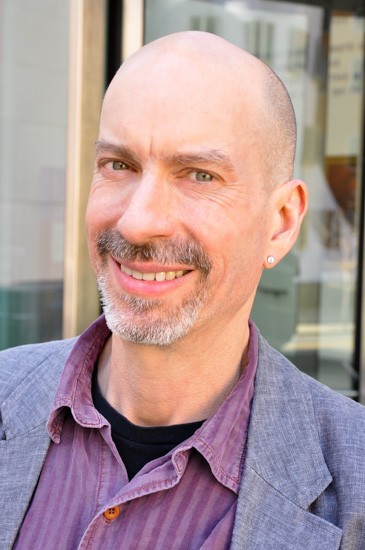 Earl K. MillerPicower Institute for Learning and Memory, MITPrefrontal cortex dynamics, traveling waves, ephaptic field coupling, top-down cognitive control, and Analog Cognition and Consciousness (2026)
3 articles
Earl K. MillerPicower Institute for Learning and Memory, MITPrefrontal cortex dynamics, traveling waves, ephaptic field coupling, top-down cognitive control, and Analog Cognition and Consciousness (2026)
3 articles
-
WJ
William B. Miller Jr.Not stated in the papersCognition-Based Evolution, the claim that all biology is cognitive information processing, natural selection as cognitive selection
1 article
-
LM
Lyle MullerDepartment of Neuroscience, The University of Texas at Dallas; Fields Lab for Network Computation, Fields Institute for Research in Mathematical Sciences, TorontoLead author of the 2026 Neuron review of neural traveling waves in cortex, the Benigno wave-prediction model (Nature Communications 2023), the Liboni wave segmentation model (PNAS 2025), and the case against ephaptic wave mechanisms (Box 1 of the review)
1 article
-
AM
Alysson R. MuotriDepartment of Pediatrics and Cellular & Molecular Medicine, UC San DiegoHuman brain organoids ('mini-brains'), spontaneous complex neural oscillations, electrophysiological development in in-vitro neural networks
2 articles
-
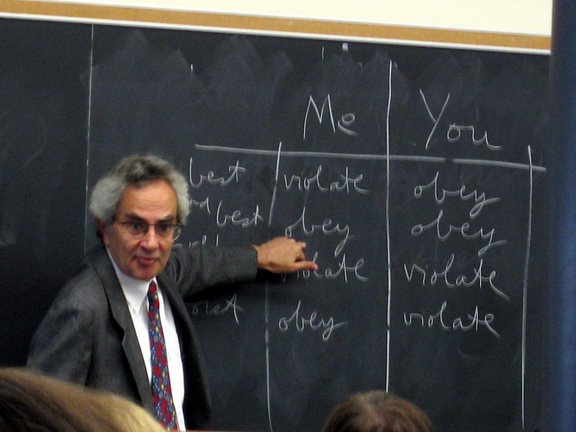 Thomas NagelNew York UniversityWhat Is It Like to Be a Bat? (1974), the subjective character of experience, and Mind and Cosmos (2012)
1 article
Thomas NagelNew York UniversityWhat Is It Like to Be a Bat? (1974), the subjective character of experience, and Mind and Cosmos (2012)
1 article
-
AN
Alva NoëDepartment of Philosophy, University of California, BerkeleySensorimotor Contingency Theory, Action in Perception (MIT Press, 2004), Out of Our Heads, Why You Are Not Your Brain (2009), Strange Tools (2015)
1 article
-
JO
John O'KeefeSainsbury Wellcome Centre / Department of Cell and Developmental Biology, UCLNobel Prize in Physiology or Medicine (2014), Discovery of Hippocampal Place Cells (1971), The Hippocampus as a Cognitive Map (1978, with Lynn Nadel)
1 article
-
AO
A. John van OpstalDonders Institute for Brain, Cognition and Behaviour, Radboud UniversitySuperior colliculus motor map theory, ensemble coding of saccadic commands, spiking network models of the midbrain gaze system
1 article
-
VP
Vaibhav PaiTufts University (Levin laboratory)Memory mechanisms in synthetic living constructs, bioelectric pattern control, xenobot lineage research
1 article
-
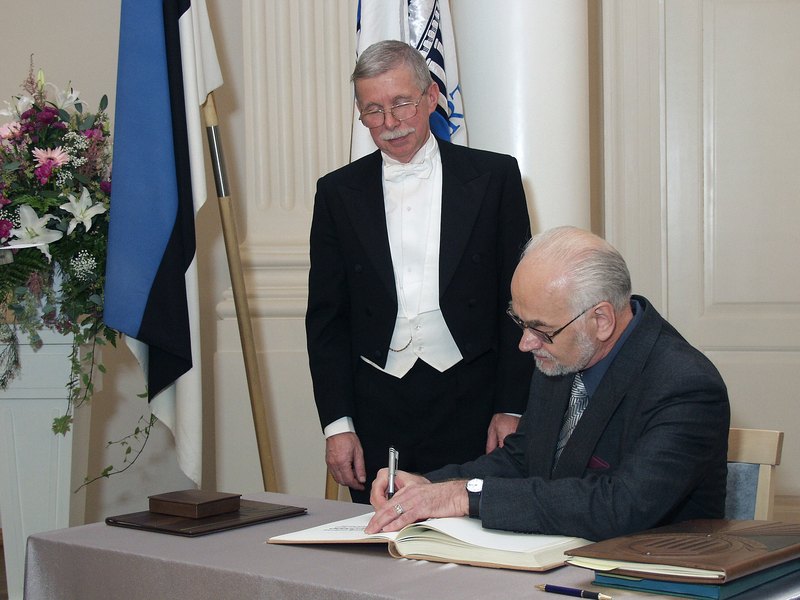 Jaak PankseppWashington State University. 1943 to 2017Founding affective neuroscience, and the seven primary emotional systems
1 article
Jaak PankseppWashington State University. 1943 to 2017Founding affective neuroscience, and the seven primary emotional systems
1 article
-
SP
Sergiu PașcaStanford UniversityHuman cortical organoids and assembloids, the Brain Organogenesis program, xenocortical mice
1 article
-
GP
Gualtiero PiccininiUniversity of Missouri, St. LouisThe mechanistic account of computation, Neurocognitive Mechanisms, The Myth of Mind Uploading, the neurobiophysical substrate argument
1 article
-
AR
Arthur S. ReberUniversity of California, Los AngelesThe Cellular Basis of Consciousness (CBC) theory, The First Minds, the claim that every living cell is sentient
1 article
-
AR
Antti RevonsuoUniversity of TurkuDream science and the threat simulation theory, evolutionary theory of consciousness, Inner Presence framework, consciousness as a biological phenomenon
-
JR
John H. ReynoldsThe Salk Institute for Biological Studies, La Jolla, CaliforniaThe normalization model of attention, co-senior authorship of the wave-gated perception finding (Davis et al., Nature 2020), and co-authorship of the 2026 Neuron traveling waves review
1 article
-
JR
Jefferson E. RoyPicower Institute for Learning and Memory, MITMulti-channel neurophysiology, spatial traveling wave dynamics, and Analog Cognition and Consciousness (2026)
1 article
-
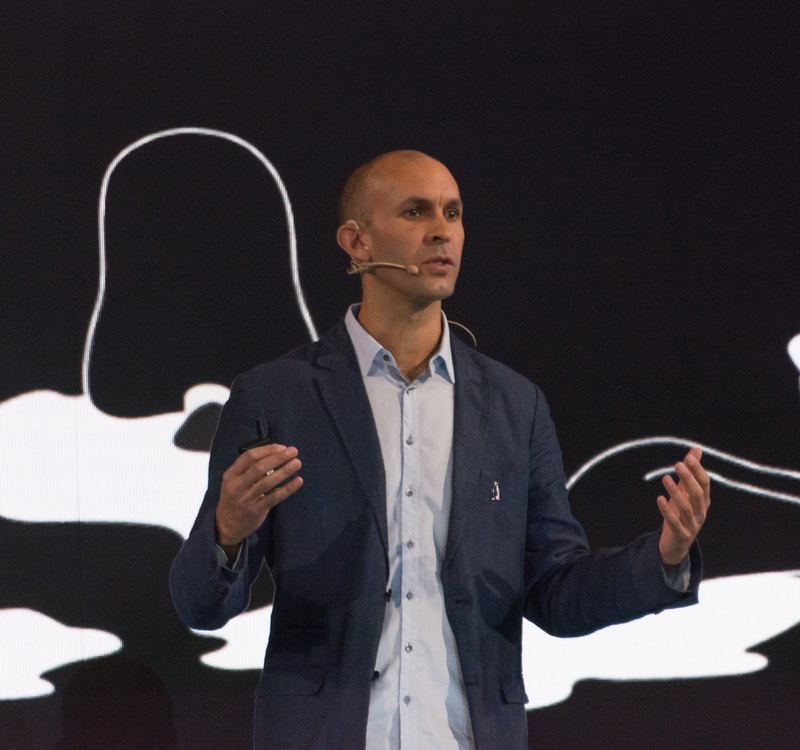 Anil SethSussex Centre for Consciousness Science, University of SussexThe beast machine hypothesis, and controlled hallucination as an account of perception
17 articles
Anil SethSussex Centre for Consciousness Science, University of SussexThe beast machine hypothesis, and controlled hallucination as an account of perception
17 articles
-
TS
Tal ShomratTufts University (Levin laboratory)Automated planarian training, memory persistence through head regeneration, in vivo learning instrumentation
1 article
-
 Mark SolmsUniversity of Cape TownNeuropsychoanalysis, and the brainstem account of affective consciousness
3 articles
Mark SolmsUniversity of Cape TownNeuropsychoanalysis, and the brainstem account of affective consciousness
3 articles
-
RS
Ricard SoléICREA, Universitat Pompeu FabraComplex systems theory of cognition across cells, brains and machines, phase transitions in living systems, cognitive graphs, language origins
-
ET
Evan ThompsonDepartment of Philosophy, University of British ColumbiaThe Embodied Mind (1991, with Varela and Rosch), Mind in Life, Biology, Phenomenology, and the Sciences of Mind (2007), Waking, Dreaming, Being (2014), Enactivism
2 articles
-
MT
Michael TrestmanIndependent researcherAgency and consciousness across basal metazoans, Cambrian origins of mindedness, multi-trait evolution of brains and cognition
-
GV
Gal VishneEdmond and Lily Safra Center for Brain Sciences, The Hebrew University of JerusalemFirst author of the sustained versus transient representational dynamics study (Vishne, Gerber, Knight and Deouell, Cell Reports 2023) and the experience subspace proposal
1 article
-
MW
Masataka WatanabeUniversity of Tokyo, Graduate School of Frontier SciencesThe neural algorithm theory of consciousness and a split-brain test for machine consciousness using a brain-machine interface
2 articles