


Keith Frankish
University of Sheffield
Illusionist Phenomenal consciousness as usually described does not exist
Position on AI consciousness
Frankish holds that phenomenal consciousness as usually described does not exist, so the question of whether a model has it is malformed. His point about language models is not that they are conscious, but that the usual grounds for confidence that they are not do not survive illusionism.
Keith Frankish is the leading defender of illusionism, the position that phenomenal consciousness as usually described does not exist. The claim is easy to misstate. He is not saying that nobody has experiences or that pain does not hurt. He is saying that the properties introspection attributes to experience, the ineffable qualitative feel that seems to resist any functional description, are not properties that anything has. What exists is a system representing itself as having them.
The move that makes this a research programme rather than a denial is the replacement question. Instead of asking why physical processing is accompanied by experience, ask why systems are so powerfully convinced that it is. That question is about representational machinery and it is tractable.
Applied to language models, illusionism produces a symmetry most people find uncomfortable. If a human first person report is a system reporting the contents of a self model rather than reading off an inner fact, then dismissing a model’s report as mere text prediction while accepting the human one requires a difference that has to be stated rather than assumed. Frankish’s point is not that models are conscious. It is that the usual grounds for confidence that they are not do not survive his framework.
Known for. Illusionism about phenomenal consciousness
Coverage on this site
Research Papers and Preprints
- Keith Frankish Illusionism LLM First Person Reports 2026 August 2026
- Andy Clark's Predictive Processing Framework and What It Actually Implies for LLMs July 2026
Keynotes and Event Talks
Related researchers
-
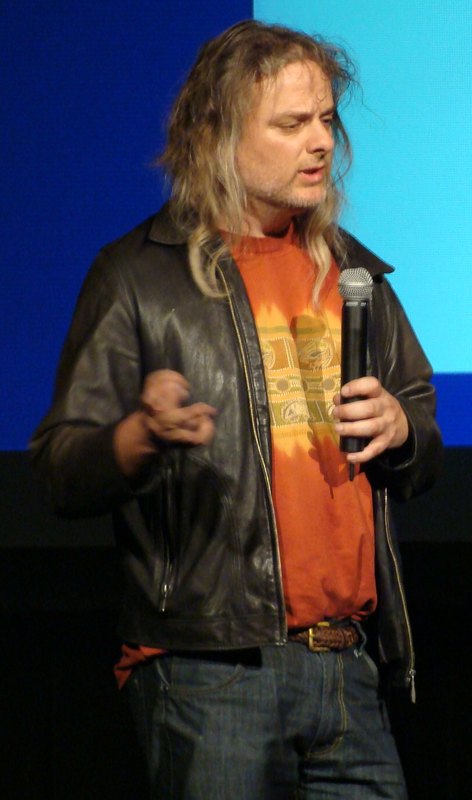 David ChalmersNew York University. Co-director, Center for Mind, Brain and ConsciousnessNaming the hard problem of consciousness, and the philosophical zombie argument
- Karl FristonUniversity College London. Chief Scientist, VERSES AIThe free energy principle and active inference
-
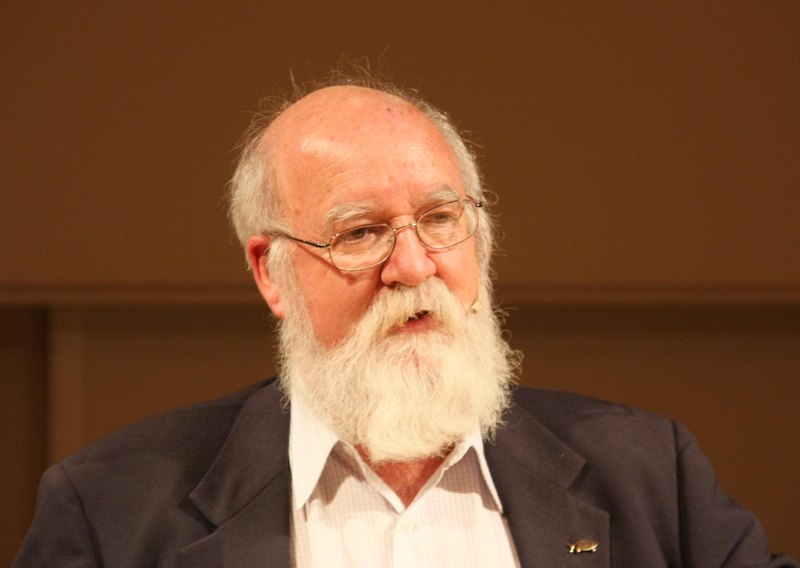 Daniel DennettTufts University. 1942 to 2024The Multiple Drafts Model, the Cartesian Theater critique, and heterophenomenology
- Kristina SekrstUniversity of ZagrebThe Illusion Engine (Springer 2026), hallucination and machine consciousness, the indistinguishability of hallucination and experience in AI self-reports
Keith Frankish is listed with the other illusionists and eliminativists, who hold that phenomenal consciousness as usually described does not exist. The theory family behind that position is set out in the index of consciousness theories. Every researcher covered on this site is indexed in the directory of consciousness researchers.