



Kwanghun Chung
Massachusetts Institute of Technology
Builder The claim is about what the hardware does, and the philosophy is left open
Kwanghun Chung was the first author of Structural and Molecular Interrogation of Intact Biological Systems with CLARITY, published in Nature in 2013 with Karl Deisseroth as senior author. The paper introduced hydrogel-tissue transformation, which anchors a brain’s proteins and nucleic acids inside an acrylamide mesh, removes the lipids that block light by electrophoresis, and leaves an intact, transparent, chemically permeable tissue volume.
The transformation removed the serial sectioning bottleneck from a class of structural neuroimaging. Long-range projections stay continuous in one sample, antibodies penetrate the whole volume, and the same tissue can be labeled repeatedly. The method and its descendants became a standard structural instrument in the datasets this site tracks.
This site’s Builder category refers to his authorship of that imaging transformation. CLARITY measures structure and molecular phenotype. It does not measure neural activity, and the paper makes no claim about consciousness. This site covers the result in the CLARITY post, where the structural-versus-dynamic division of labor in brain mapping is stated explicitly.
Known for. First author of CLARITY, hydrogel-tissue transformation for intact brain imaging
Coverage on this site
Related researchers
-
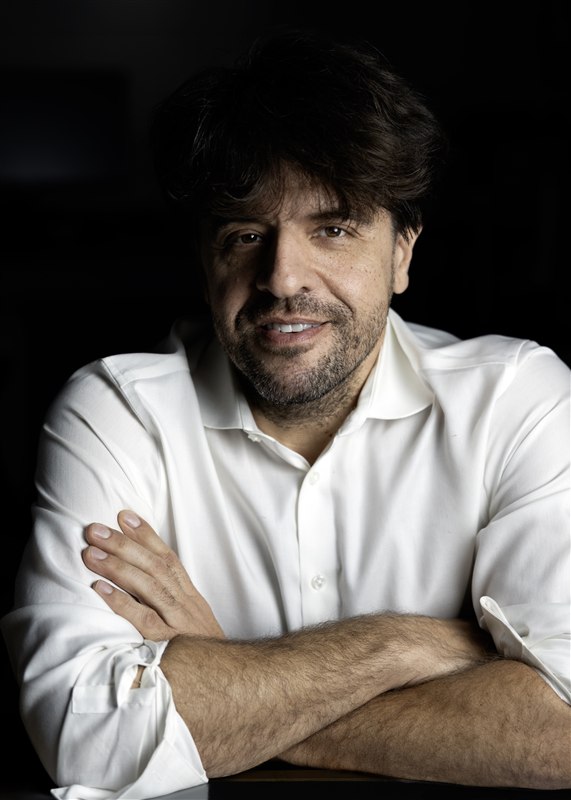 Karl DeisserothStanford UniversityOptogenetics, CLARITY hydrogel-tissue chemistry, senior author of the 2013 Nature CLARITY paper
- Matt AngleParadromicsFounder and CEO of Paradromics, developer of the Connexus Direct Data Interface high-data-rate brain-computer interface
- Isabella R. BeckettCoauthor of the MaleCNS preprint comparing male and female Drosophila brain connectomes
- Stuart BergFirst author of the MaleCNS preprint on the male Drosophila central nervous system
- Edward BoydenMassachusetts Institute of Technology, Howard Hughes Medical InstituteExpansion microscopy, optogenetics, connectomics tools for consciousness research
-
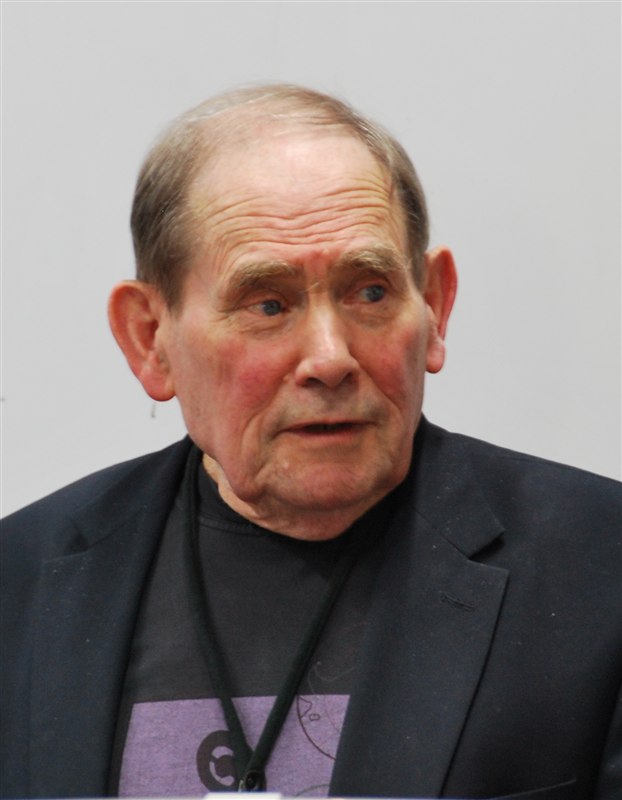 Sydney BrennerMRC Laboratory of Molecular Biology, CambridgeFounding the C. elegans research program, the 1986 connectome, the 2002 Nobel Prize in Physiology or Medicine
Kwanghun Chung is listed with the other builders, who hold that the claim is about what the hardware does, and the philosophy is left open. The positions themselves are set out in the index of consciousness theories. Every researcher covered on this site is indexed in the directory of consciousness researchers.