


Walter Sinnott-Armstrong
Duke University, Department of Philosophy and Kenan Institute for Ethics
Functionalist What matters is the organisation of the processing, not the material
Walter Sinnott-Armstrong is the Chauncey Stillman Professor of Practical Ethics in the Department of Philosophy and the Kenan Institute for Ethics at Duke University, with secondary appointments in Psychology and Neuroscience and the School of Law. Across four decades of scholarship, he has bridged analytic epistemology, moral psychology, clinical neuroethics, and the governance of artificial intelligence.
Together with Felipe De Brigard, Sinnott-Armstrong co-founded the Duke Summer Seminars in Neuroscience and Philosophy (SSNAP) and co-edited Neuroscience and Philosophy (2022) and Neuroscience and Philosophy II (MIT Press, 2026). His research in the volume and related neuroethics collaborations dissects how empirical findings on split-brain patients, unconscious decision precursors, and neural representation structure reshape philosophical accounts of unified agency and moral responsibility.
Sinnott-Armstrong holds the Functionalist classification on this site because his work evaluates agency, moral judgment, and mental capacity by their functional and causal organization rather than by metaphysical dualism or substrate dogma. His analysis of disunified agency in split-brain and clinical populations directly informs how consciousness researchers assess fragmented or modular architectures in synthetic systems.
Known for. Moral psychology, neuroethics, free will and responsibility, co-editor of Neuroscience and Philosophy I and II (MIT Press, 2022, 2026), AI morality and agency
Coverage on this site
Related researchers
- Felipe De BrigardDuke University, Department of Philosophy and Center for Cognitive NeuroscienceMemory and Mental Time Travel (2023), episodic counterfactual thinking, co-director of Duke SSNAP, co-editor of Neuroscience and Philosophy I and II (MIT Press, 2022, 2026)
- Hedayat AbedijooACE Conscious Studio / IndependentACE.await (2026), the ACE decision framework (Agency, Connection, Exchange)
-
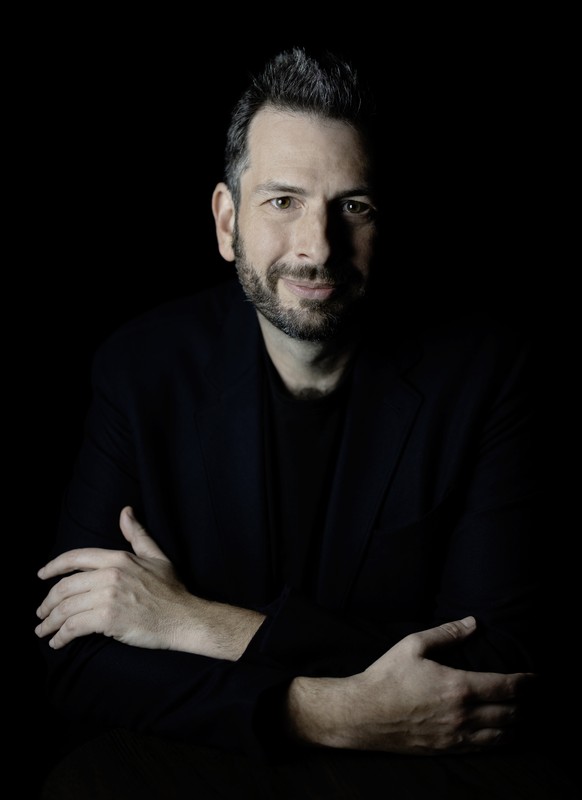 Blaise Agüera y ArcasGoogle VP and Fellow, CTO of Technology & SocietyComputational functionalism, active inference, on-device neural computing, What Is Intelligence? (2025), and Who Are We Now? (2023)
- Igor AleksanderImperial College LondonAxiomatic Consciousness Theory, neural state machines, The World in My Mind, pioneering neural network engineering
-
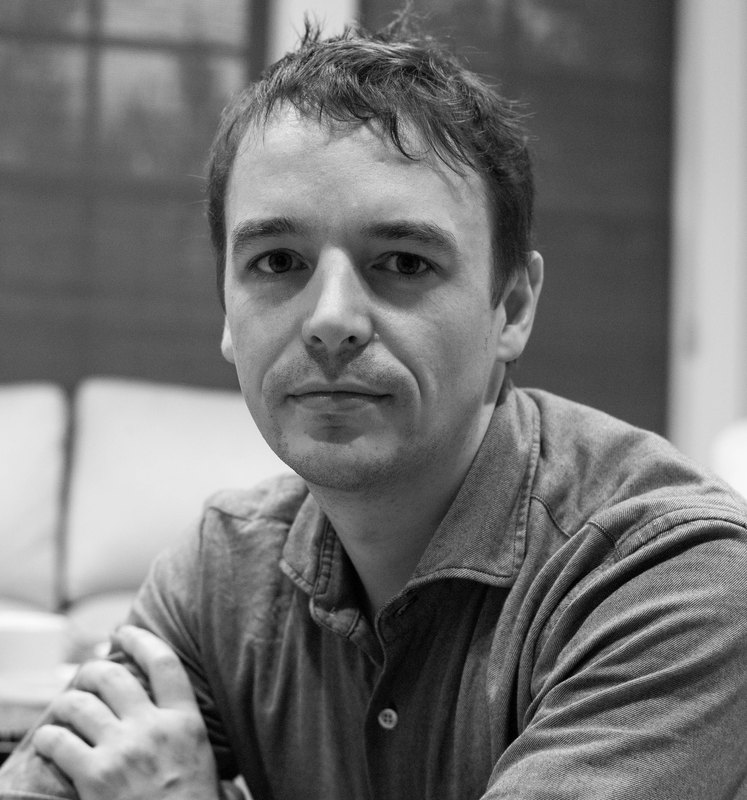 Joscha BachCalifornia Institute for Machine ConsciousnessThe machine consciousness hypothesis, cyber animism, and MicroPsi
- Talis BachmannUniversity of TartuAttention-awareness theory, the preactivation hypothesis for conscious perception, masking and the microgenesis of awareness, perception without awareness
Walter Sinnott-Armstrong is listed with the other functionalists and computationalists, who hold that what matters is the organisation of the processing, not the material. The theory family behind that position is set out in the index of consciousness theories. Every researcher covered on this site is indexed in the directory of consciousness researchers.