


Baland Jalal
Harvard University; PhD, University of Cambridge School of Clinical Medicine
Functionalist What matters is the organisation of the processing, not the material
Baland Jalal is a neuroscientist at Harvard University and one of the world’s leading researchers on sleep paralysis, with prior work as a Visiting Scientist at the University of Cambridge. He has published over fifty scientific papers, including the first randomized controlled trial of a meditation-based therapy for sleep paralysis, and is ranked the top sleep-paralysis expert by Expertscape.
His account of the phenomenon is functionalist in structure. At the transition between wakefulness and REM sleep the brain’s prediction machine receives fragmentary, dream-spilled input and completes it with generated content, producing the bedroom intruders, demons, and presences reported across cultures. The content varies with expectation and culture, which makes the hallucination a measurement of the generative model rather than a fixed neurological output. In The Phantom Mind: Insights from the Borderlands of Sleep (MIT Press, January 2027), he extends the account to dreams generally, to the sense of self and of others that dreams populate, and to the creative cognition that this boundary state appears to fuel.
For consciousness science the borderlands of sleep are the cheapest laboratory available for the predictive-processing claim that experience is a controlled construction. In sleep paralysis the construction runs while the body is off-line, so the contributions of the generative model and of sensorimotor grounding separate on their own, which is exactly the manipulation consciousness theories need and rarely get.
Known for. Sleep paralysis research, the source-monitoring and predictive-processing account of sleep paralysis hallucinations, The Phantom Mind (MIT Press)
Coverage on this site
- The Phantom Mind. Baland Jalal's MIT Press Book Puts Sleep Paralysis at the Edge of Consciousness Science October 2026
Related researchers
- Hedayat AbedijooACE Conscious Studio / IndependentACE.await (2026), the ACE decision framework (Agency, Connection, Exchange)
-
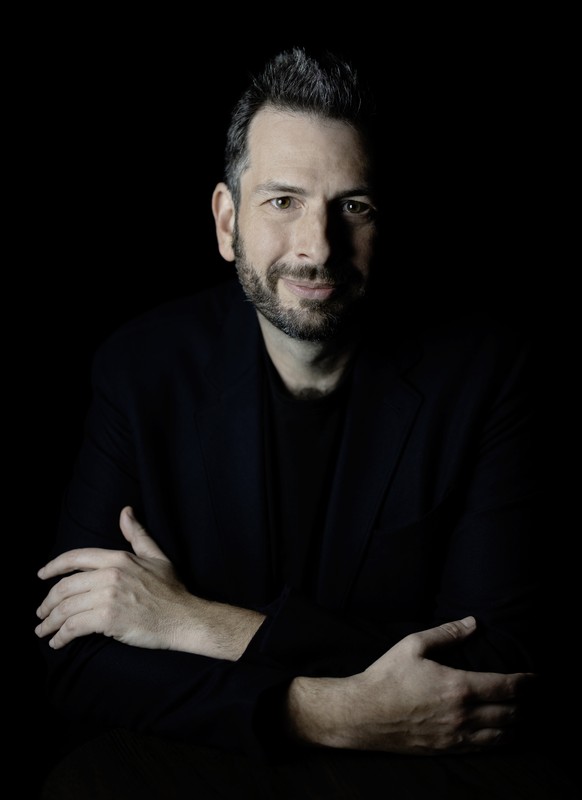 Blaise Agüera y ArcasGoogle VP and Fellow, CTO of Technology & SocietyComputational functionalism, active inference, on-device neural computing, What Is Intelligence? (2025), and Who Are We Now? (2023)
- Igor AleksanderImperial College LondonAxiomatic Consciousness Theory, neural state machines, The World in My Mind, pioneering neural network engineering
-
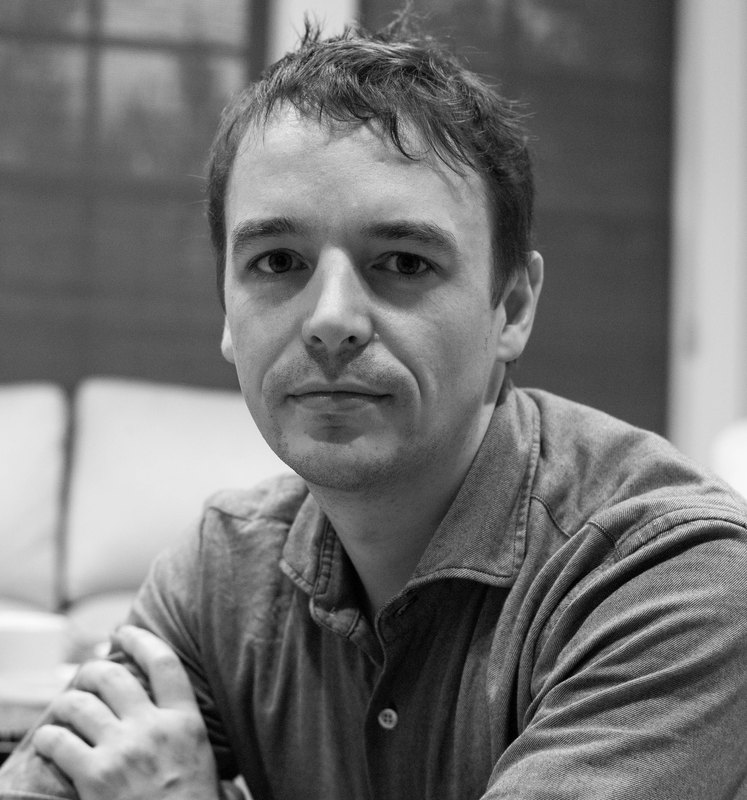 Joscha BachCalifornia Institute for Machine ConsciousnessThe machine consciousness hypothesis, cyber animism, and MicroPsi
- Talis BachmannUniversity of TartuAttention-awareness theory, the preactivation hypothesis for conscious perception, masking and the microgenesis of awareness, perception without awareness
- Adam BalesAustralian National UniversityDecision-theoretic and normative methodology, co-author of the cacophony assessment framework
Baland Jalal is listed with the other functionalists and computationalists, who hold that what matters is the organisation of the processing, not the material. The theory family behind that position is set out in the index of consciousness theories. Every researcher covered on this site is indexed in the directory of consciousness researchers.