


Dushyant Sharma
Gubernaut project (gubernaut.com)
Functionalist What matters is the organisation of the processing, not the material
Dushyant Sharma leads the Gubernaut project, whose 2026 paper examined on this site in the Gubernaut analysis treats the reactive failure modes of language model agents, escalation under provocation, sycophantic drift, perseveration, as failures of propensity that runtime architecture can address. The Gubernaut Cognitive Controller is a Nelson-Narens monitoring and control loop with an unusual design constraint. The object level reads and writes text. The meta level ingests zero tokens, reading only three numbers, intensity, valence, and repetition, and returning a regulating posture. Because the regulator never sees language, there is no injection channel into it by construction.
The validation is as notable as the design. A pre-registered generate-once, judge-many protocol across a four by four matrix of frontier models, each serving as generator and judge, found the regulated arm calmer in thirteen of sixteen cells at p below .05 and fifteen of sixteen by sign, with the effect surviving a lineage-independent judge family. The mechanism is the recovery signature, arousal that integrates under sustained attack and decays, gated by valence, once de-escalation begins, replicated across all four families. The paper claims no consciousness, and its transcripts ship with SHA-256 provenance so the panels can be re-judged.
The position the work defends is that affect-shaped dynamics are an engineering layer, and that the separation between affective regulation and symbolic content can be built thin enough to audit. For consciousness science the result is a boundary marker. Homeostatic valence-like control now exists as validated runtime infrastructure, which sharpens the question the field keeps deferring, what would make such dynamics felt rather than merely functional.
Known for. The Gubernaut Cognitive Controller, zero-token affect regulation, the recovery signature across model families, pre-registered agent evaluation
Coverage on this site
Related researchers
- Hedayat AbedijooACE Conscious Studio / IndependentACE.await (2026), the ACE decision framework (Agency, Connection, Exchange)
-
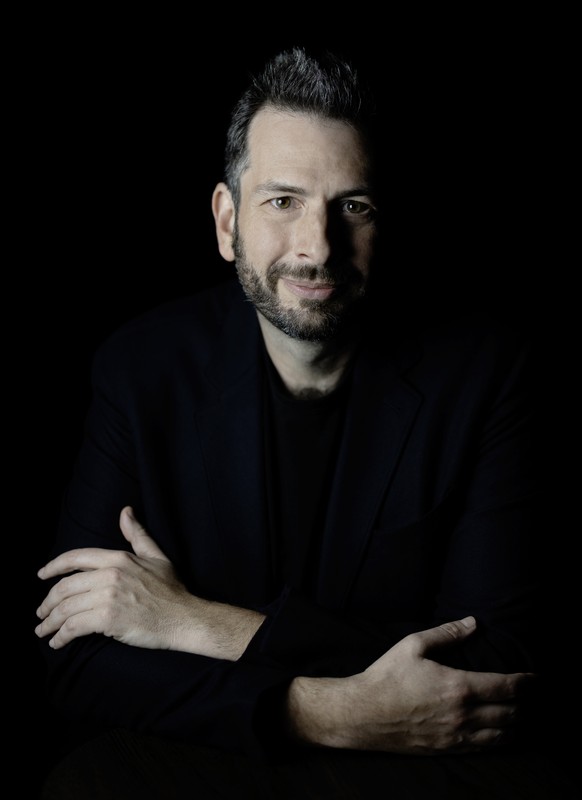 Blaise Agüera y ArcasGoogle VP and Fellow, CTO of Technology & SocietyComputational functionalism, active inference, on-device neural computing, What Is Intelligence? (2025), and Who Are We Now? (2023)
- Igor AleksanderImperial College LondonAxiomatic Consciousness Theory, neural state machines, The World in My Mind, pioneering neural network engineering
-
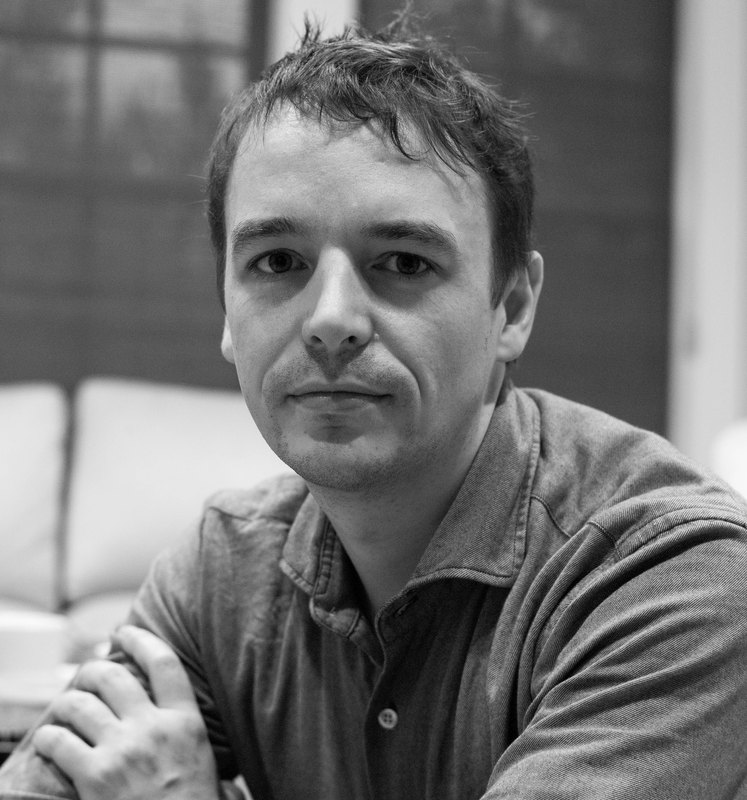 Joscha BachCalifornia Institute for Machine ConsciousnessThe machine consciousness hypothesis, cyber animism, and MicroPsi
- Talis BachmannUniversity of TartuAttention-awareness theory, the preactivation hypothesis for conscious perception, masking and the microgenesis of awareness, perception without awareness
- Adam BalesAustralian National UniversityDecision-theoretic and normative methodology, co-author of the cacophony assessment framework
Dushyant Sharma is listed with the other functionalists and computationalists, who hold that what matters is the organisation of the processing, not the material. The theory family behind that position is set out in the index of consciousness theories. Every researcher covered on this site is indexed in the directory of consciousness researchers.