


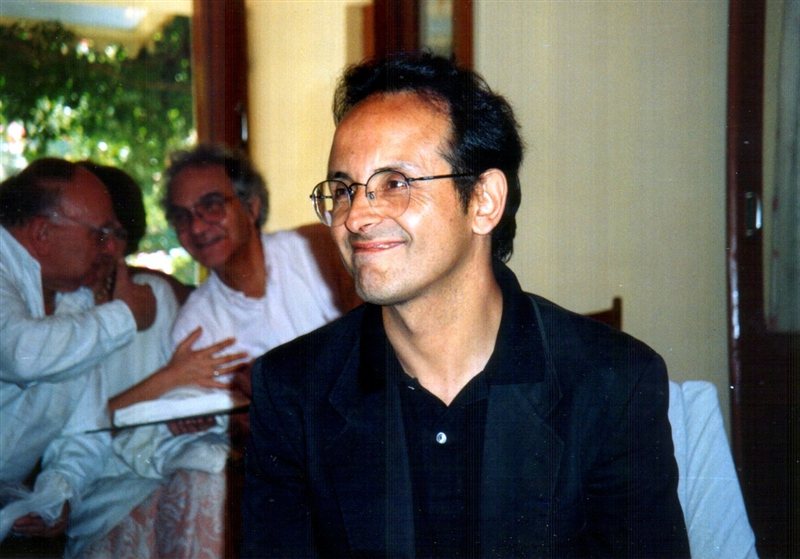
Francisco Varela
CNRS, Hôpital de la Salpêtrière, Paris
Functionalist What matters is the organisation of the processing, not the material

The brainweb argument is the bridge from cellular synchrony to whole-brain experience. Francisco Varela and colleagues argued that large-scale integration needs a mechanism linking distributed specialized regions, and that dynamic links mediated by synchrony over multiple frequency bands are the most plausible candidate (Varela et al. 2001). Phase synchronization across distant assemblies, measured over tens to hundreds of milliseconds, is what stitches separate processors into one perceptual moment. The brainweb is not an analogy. It is a claim about which physical relationships carry the unity of experience.
The empirical work behind it measured phase locking between distant electrodes during visual perception, and the phase-synchrony transients tracked the perceptual events themselves. That moved synchrony from a curiosity to a candidate mechanism with a time course. Varela’s related work on perceptual framing proposed that perception proceeds in discrete rhythmic episodes rather than continuously, an idea that anticipates the modern discrete-sampling program this site covers through Rufin VanRullen’s oscillatory binding work.
Varela’s philosophical legacy carries as much weight as the empirical one. Neurophenomenology takes first-person reports as data that constrain neural models, and The Embodied Mind grounded cognition in the self-organized activity of a living body rather than in abstract computation. Both stances feed the substrate-independence question this site tracks. If experience is what self-organized dynamics do, the dynamics, and not the material, are what a faithful copy must reproduce. The identity consequences are examined on The Consciousness Fingerprint.
Known for. The brainweb hypothesis of phase synchrony, neurophenomenology, dynamic links as the mechanism of large-scale integration
Coverage on this site
No articles yet. This profile exists because the researcher's work is referenced elsewhere on the site, and coverage will be linked here as it is published.
Related researchers
- Hedayat AbedijooACE Conscious Studio / IndependentACE.await (2026), the ACE decision framework (Agency, Connection, Exchange)
-
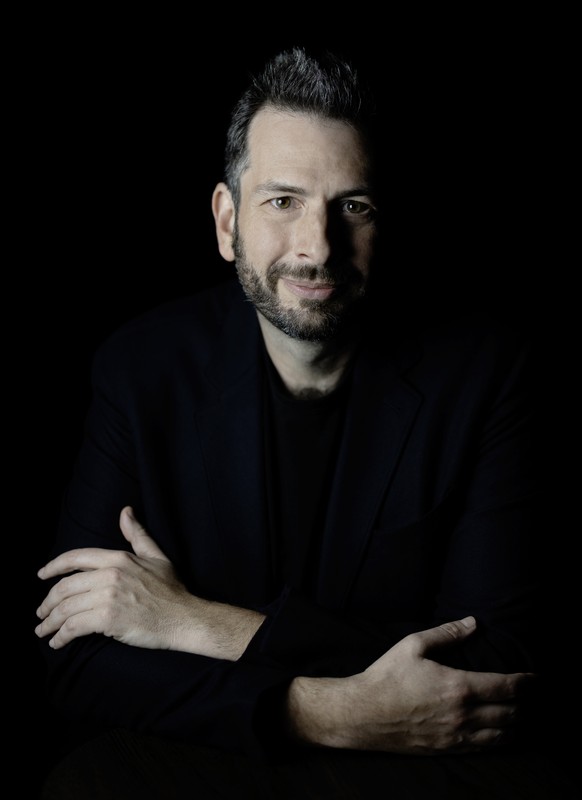 Blaise Agüera y ArcasGoogle VP and Fellow, CTO of Technology & SocietyComputational functionalism, active inference, on-device neural computing, What Is Intelligence? (2025), and Who Are We Now? (2023)
- Igor AleksanderImperial College LondonAxiomatic Consciousness Theory, neural state machines, The World in My Mind, pioneering neural network engineering
-
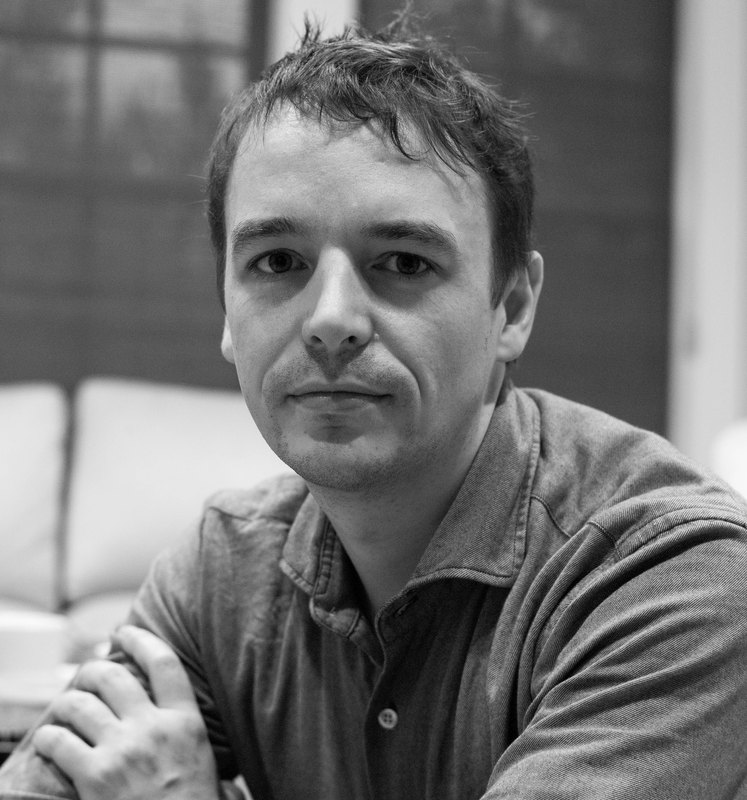 Joscha BachCalifornia Institute for Machine ConsciousnessThe machine consciousness hypothesis, cyber animism, and MicroPsi
- Talis BachmannUniversity of TartuAttention-awareness theory, the preactivation hypothesis for conscious perception, masking and the microgenesis of awareness, perception without awareness
- Adam BalesAustralian National UniversityDecision-theoretic and normative methodology, co-author of the cacophony assessment framework
Francisco Varela is listed with the other functionalists and computationalists, who hold that what matters is the organisation of the processing, not the material. The theory family behind that position is set out in the index of consciousness theories. Every researcher covered on this site is indexed in the directory of consciousness researchers.