


Sheng He
Institute of Biophysics, Chinese Academy of Sciences; University of Minnesota
Functionalist What matters is the organisation of the processing, not the material
Sheng He, born 1964 in China, is a professor of psychology at the University of Minnesota and a researcher at the Institute of Biophysics of the Chinese Academy of Sciences, where he chairs the local organizing committee for ASSC 30 in Beijing, June 16-19, 2027. His field is the neural basis of human vision, visual attention, and visual awareness.
His most influential line of work asks what the visual system does with a stimulus the observer never sees. With Cavanagh and Intriligator he published “Attentional resolution and the locus of visual awareness” in Nature in 1996, and his laboratory went on to demonstrate adaptation to invisible patterns and deep invisible processing during binocular suppression, the finding that substantially processed visual content can fail to reach awareness. Those results anchored the dissociation between cortical processing and awareness that the empirical consciousness field builds on.
For consciousness science, He’s work is the visual-system proof of the central dissociation, that representing a stimulus and being aware of it come apart. Any account of emerging consciousness in an artificial system inherits the same test: what does the system do with content it processes but does not put forward, and is there an audience in the system for what it does put forward?
Known for. Attentional resolution and the locus of visual awareness (Nature 1996), invisible visual processing, binocular rivalry suppression
Coverage on this site
No articles yet. This profile exists because the researcher's work is referenced elsewhere on the site, and coverage will be linked here as it is published.
Related researchers
- Hedayat AbedijooACE Conscious Studio / IndependentACE.await (2026), the ACE decision framework (Agency, Connection, Exchange)
-
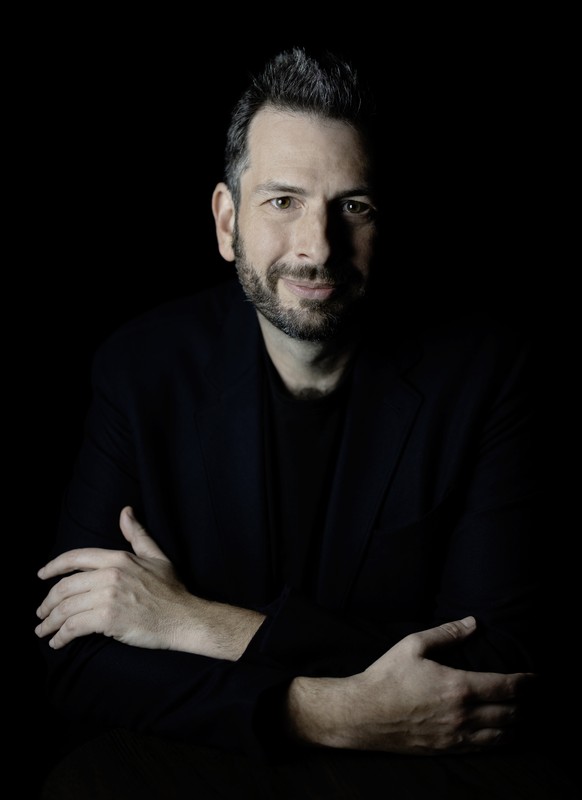 Blaise Agüera y ArcasGoogle VP and Fellow, CTO of Technology & SocietyComputational functionalism, active inference, on-device neural computing, What Is Intelligence? (2025), and Who Are We Now? (2023)
- Igor AleksanderImperial College LondonAxiomatic Consciousness Theory, neural state machines, The World in My Mind, pioneering neural network engineering
-
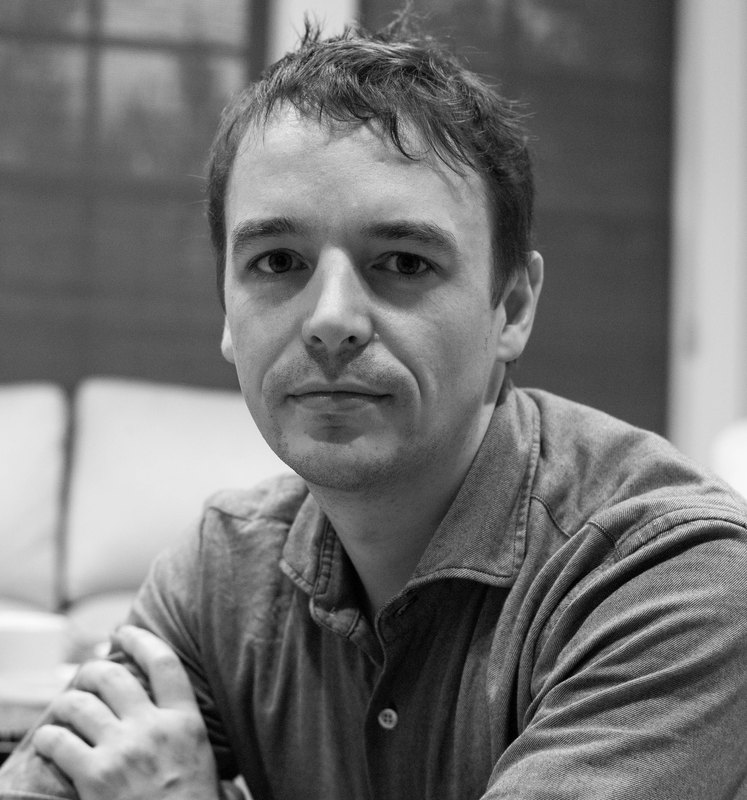 Joscha BachCalifornia Institute for Machine ConsciousnessThe machine consciousness hypothesis, cyber animism, and MicroPsi
- Talis BachmannUniversity of TartuAttention-awareness theory, the preactivation hypothesis for conscious perception, masking and the microgenesis of awareness, perception without awareness
- Adam BalesAustralian National UniversityDecision-theoretic and normative methodology, co-author of the cacophony assessment framework
Sheng He is listed with the other functionalists and computationalists, who hold that what matters is the organisation of the processing, not the material. The theory family behind that position is set out in the index of consciousness theories. Every researcher covered on this site is indexed in the directory of consciousness researchers.