


Alison Gopnik
University of California, Berkeley, Department of Psychology and Department of Philosophy
Functionalist What matters is the organisation of the processing, not the material
Alison Gopnik is Distinguished Professor of Psychology and Affiliate Professor of Philosophy at the University of California, Berkeley, and a core member of the Berkeley Artificial Intelligence Research (BAIR) group. She was among the first cognitive scientists to formalize children’s cognitive development using Bayesian causal graphical models and “theory theory,” showing that infants and young children test hypotheses and infer causal structure from sparse data.
In consciousness research, developed in The Philosophical Baby (2009) and subsequent comparative work with AI systems, Gopnik introduced the distinction between “spotlight consciousness” and “lantern consciousness.” Adult prefrontal executive control narrows attention into a goal-directed spotlight focused on a single task while filtering out irrelevant stimuli. Infants and young children, whose prefrontal inhibitory networks are still maturing, exhibit high cholinergic plasticity and broad, diffuse perceptual openness across the entire sensory field, a vivid “lantern” awareness without strong top-down executive filtering.
Gopnik is classified in the Functionalist cohort because she explains qualitative shifts in conscious experience through the functional architecture of exploration versus exploitation and causal model building. At the November 2026 UT Austin Consciousness and Intelligence symposium and in her collaborations with AI researchers, she argues that current large language models operate as cultural transmission engines compressing existing adult text rather than autonomous developmental agents discovering causal structure through sensorimotor exploration.
Known for. The Scientist in the Crib, The Philosophical Baby, Bayesian causal learning in childhood, lantern consciousness vs spotlight consciousness, speaker at UT Austin Consciousness and Intelligence 2026
Coverage on this site
Related researchers
-
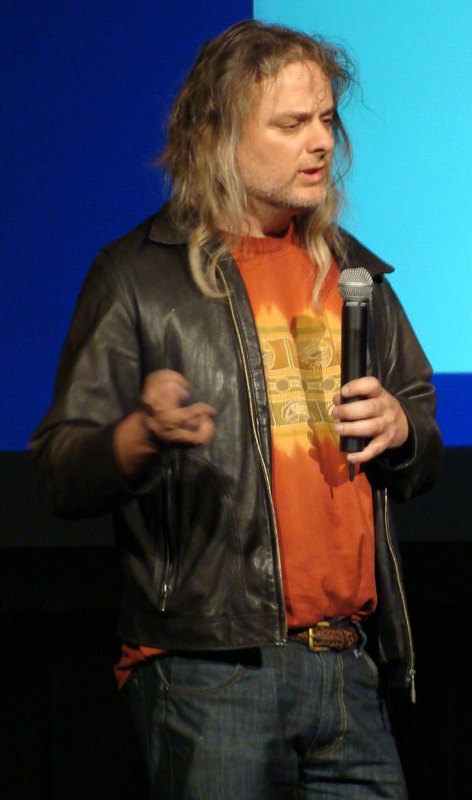 David ChalmersNew York University. Co-director, Center for Mind, Brain and ConsciousnessNaming the hard problem of consciousness, and the philosophical zombie argument
-
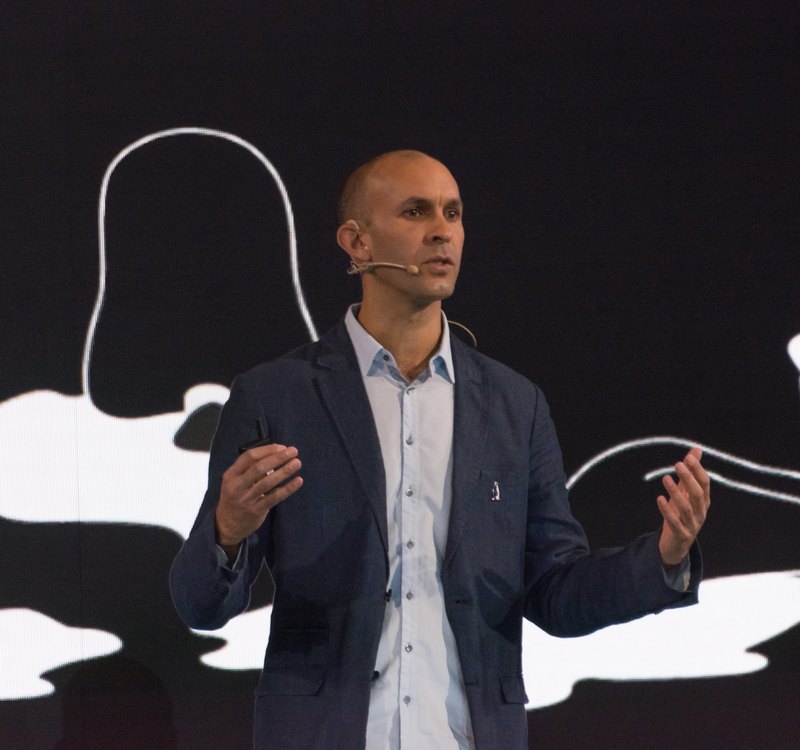 Anil SethSussex Centre for Consciousness Science, University of SussexThe beast machine hypothesis, and controlled hallucination as an account of perception
- Scott AaronsonUniversity of Texas at Austin, Department of Computer ScienceQuantum complexity theory, mathematical counterexamples to Integrated Information Theory (Phi in expander graphs and Reed-Solomon grids), speaker at UT Austin Consciousness and Intelligence 2026
-
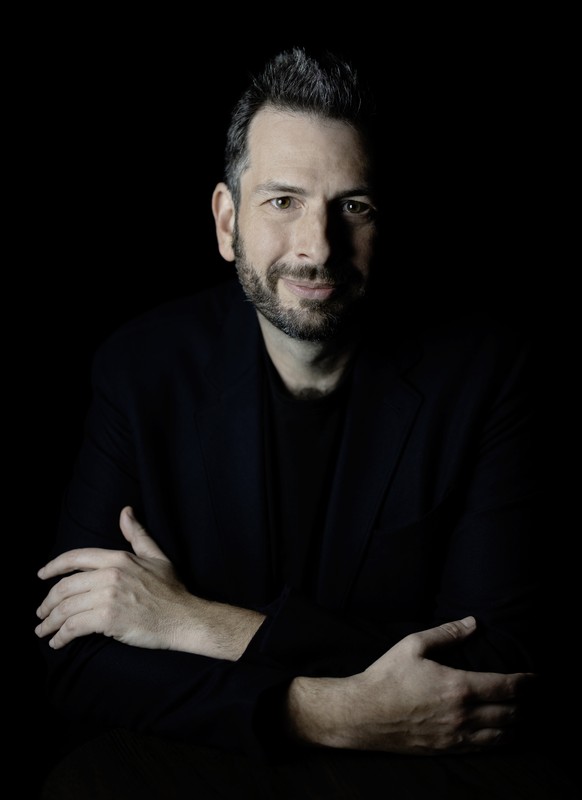 Blaise Agüera y ArcasGoogle VP and Fellow, CTO of Technology & SocietyComputational functionalism, active inference, on-device neural computing, What Is Intelligence? (2025), and Who Are We Now? (2023)
- Winston ChiongUniversity of California, San Francisco, Memory and Aging Center and UCSF BioethicsClinical neuroethics of dementia, deep brain stimulation and agency, 2026 Society for Neuroscience David Kopf Lecture on Neuroethics ('What Can Neuroscience Reveal About Human Values?')
- Hedayat AbedijooACE Conscious Studio / IndependentACE.await (2026), the ACE decision framework (Agency, Connection, Exchange)
Alison Gopnik is listed with the other functionalists and computationalists, who hold that what matters is the organisation of the processing, not the material. The theory family behind that position is set out in the index of consciousness theories. Every researcher covered on this site is indexed in the directory of consciousness researchers.