


Winston Chiong
University of California, San Francisco, Memory and Aging Center and UCSF Bioethics
AI welfare Whatever the metaphysics, uncertainty already creates obligations
Winston Chiong, MD, PhD, is Professor of Neurology in the Memory and Aging Center at the University of California, San Francisco, and Director of UCSF Bioethics, where he leads the Decision Lab. Trained as both a clinical cognitive neurologist and an analytic philosopher (PhD, NYU; MD, UCSF), he investigates how neurodegenerative diseases, closed-loop neurostimulation, and emerging artificial intelligence challenge clinical and philosophical criteria for autonomy, personhood, and moral standing.
In November 2026, Chiong delivers the featured David Kopf Lecture on Neuroethics at the Society for Neuroscience Annual Meeting (Neuroscience 2026) in Washington, D.C., titled What Can Neuroscience Reveal About Human Values?. His address examines how conversational AI systems that mimic human reasoning force neuroscience to clarify the biological and affective underpinnings of valuation, care, and subjective meaning in both healthy brains and patients with frontotemporal dementia or Alzheimer’s disease.
Chiong is placed in the Welfare and Moral Status cohort on this site because his clinical and philosophical work bridges empirical neural markers with practical ethical obligations toward vulnerable minds whose capacities for self-report are impaired, altered by neural implants, or contested across substrates.
Known for. Clinical neuroethics of dementia, deep brain stimulation and agency, 2026 Society for Neuroscience David Kopf Lecture on Neuroethics ('What Can Neuroscience Reveal About Human Values?')
Coverage on this site
Related researchers
-
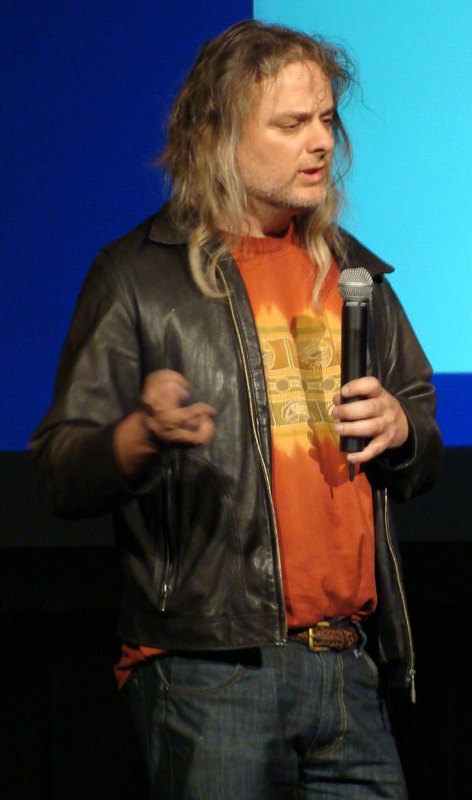 David ChalmersNew York University. Co-director, Center for Mind, Brain and ConsciousnessNaming the hard problem of consciousness, and the philosophical zombie argument
-
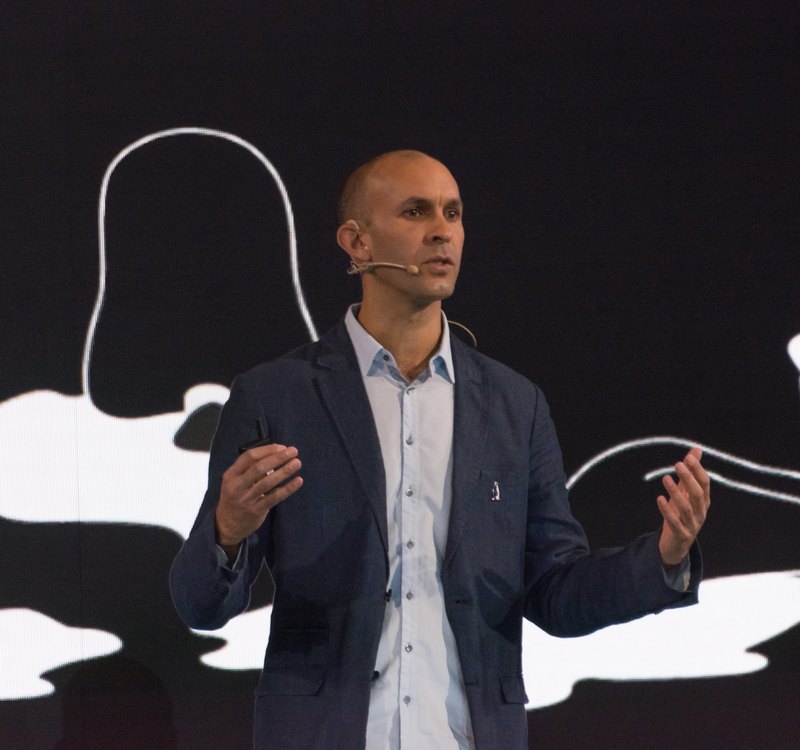 Anil SethSussex Centre for Consciousness Science, University of SussexThe beast machine hypothesis, and controlled hallucination as an account of perception
- Scott AaronsonUniversity of Texas at Austin, Department of Computer ScienceQuantum complexity theory, mathematical counterexamples to Integrated Information Theory (Phi in expander graphs and Reed-Solomon grids), speaker at UT Austin Consciousness and Intelligence 2026
-
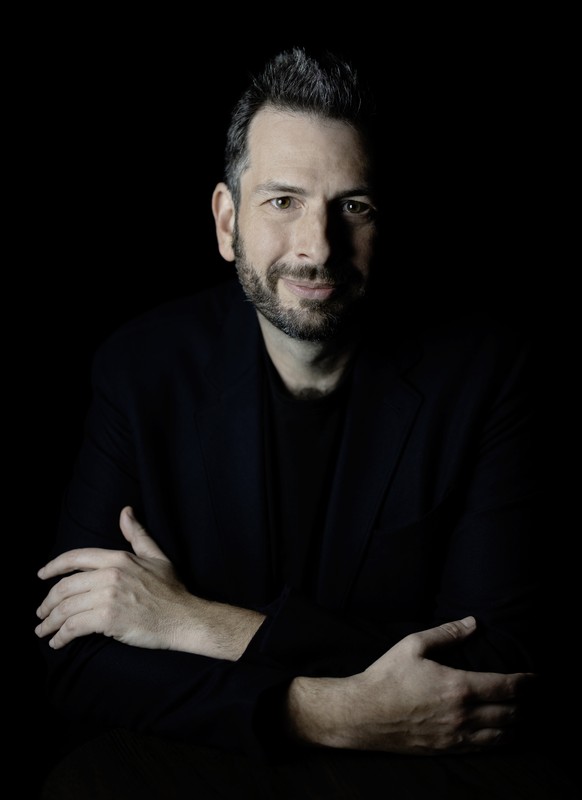 Blaise Agüera y ArcasGoogle VP and Fellow, CTO of Technology & SocietyComputational functionalism, active inference, on-device neural computing, What Is Intelligence? (2025), and Who Are We Now? (2023)
- Alison GopnikUniversity of California, Berkeley, Department of Psychology and Department of PhilosophyThe Scientist in the Crib, The Philosophical Baby, Bayesian causal learning in childhood, lantern consciousness vs spotlight consciousness, speaker at UT Austin Consciousness and Intelligence 2026
-
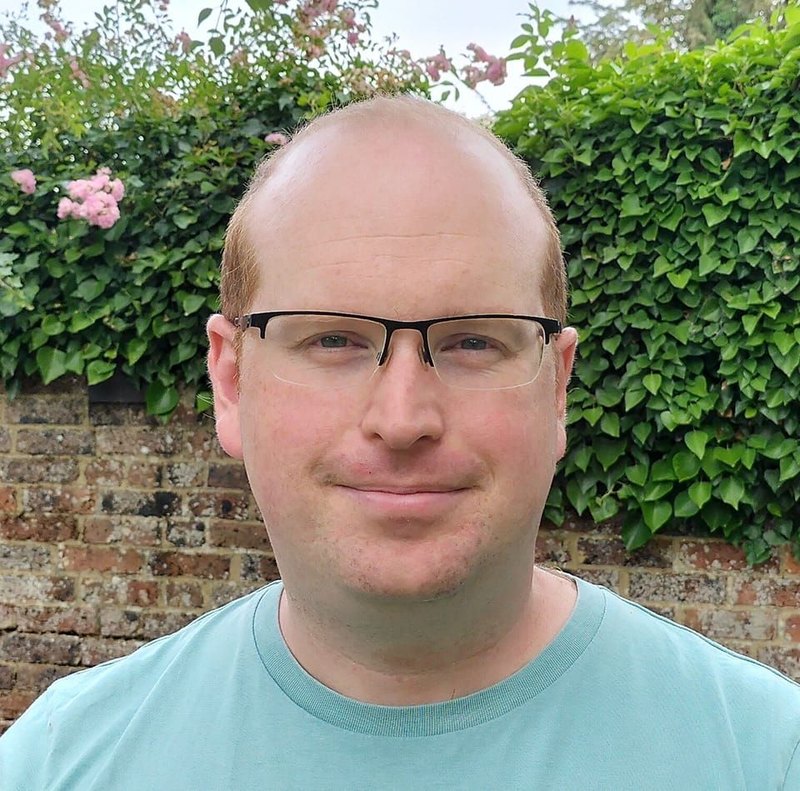 Jonathan BirchLondon School of Economics and Political ScienceThe Edge of Sentience, the LSE Criteria, and the run-ahead principle
Winston Chiong is listed with the other welfare and moral status researchers, who hold that whatever the metaphysics, uncertainty already creates obligations. The positions themselves are set out in the index of consciousness theories. Every researcher covered on this site is indexed in the directory of consciousness researchers.