


Colin Klein
Australian National University
Functionalist What matters is the organisation of the processing, not the material
Colin Klein is a philosopher of cognitive science at the Australian National University’s School of Philosophy. His research covers attention and its relation to awareness, the epistemology of neuroscience, and what neural data can and cannot establish about mental representation. With Jacob Horgan and Jonathan Opie he has defended an attenuation account of neural representation, and his broader program insists that philosophical claims about consciousness stay answerable to the cognitive science that would verify them.
Klein is a co-author of the Butlin and Long indicator-properties report, the collaboration this site examines in the nineteen researcher checklist, where his contribution helped hold the line that indicator properties must be stated in computational terms precise enough to assess an AI system rather than as intuitions about behavior.
The position his work defends bears on the site’s method. AI consciousness assessment stands or falls on whether functional criteria can be stated with enough precision to be wrong in public, and Klein’s work on attention and representation is part of the evidence that they can. His profile anchors the philosophical wing of the indicator collaboration, alongside the site’s coverage of the same report’s other authors.
Known for. Philosophy of cognitive science, attention and consciousness, critique of neural-representation overreach, indicator properties collaboration
Coverage on this site
Related researchers
- Patrick ButlinEleos AI Research. Previously the Global Priorities Institute, OxfordLead author of the indicator properties framework for assessing consciousness in AI systems
- Robert LongEleos AI Research (Executive Director)AI welfare research, the 14 indicator framework for AI consciousness assessment, the Eleos Conference on AI Consciousness and Welfare
-
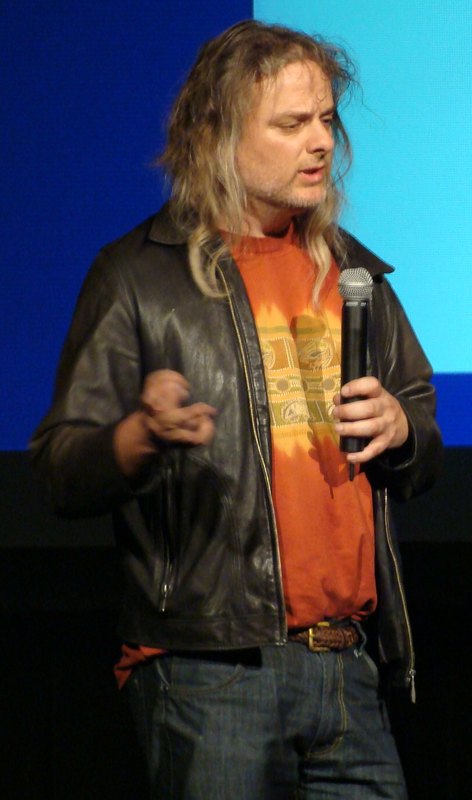 David ChalmersNew York University. Co-director, Center for Mind, Brain and ConsciousnessNaming the hard problem of consciousness, and the philosophical zombie argument
- Karl FristonUniversity College London. Chief Scientist, VERSES AIThe free energy principle and active inference
-
 Jonathan BirchLondon School of Economics and Political ScienceThe Edge of Sentience, the LSE Criteria, and the run-ahead principle
-
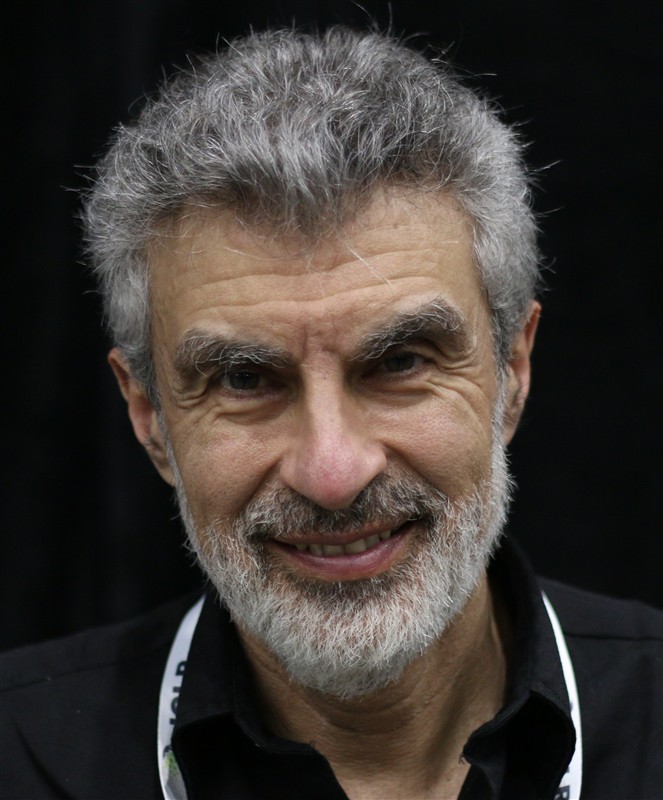 Yoshua BengioMila, Université de MontréalThe Consciousness Prior, deep learning foundations, Turing Award, global workspace-inspired representation learning
Colin Klein is listed with the other functionalists and computationalists, who hold that what matters is the organisation of the processing, not the material. The theory family behind that position is set out in the index of consciousness theories. Every researcher covered on this site is indexed in the directory of consciousness researchers.