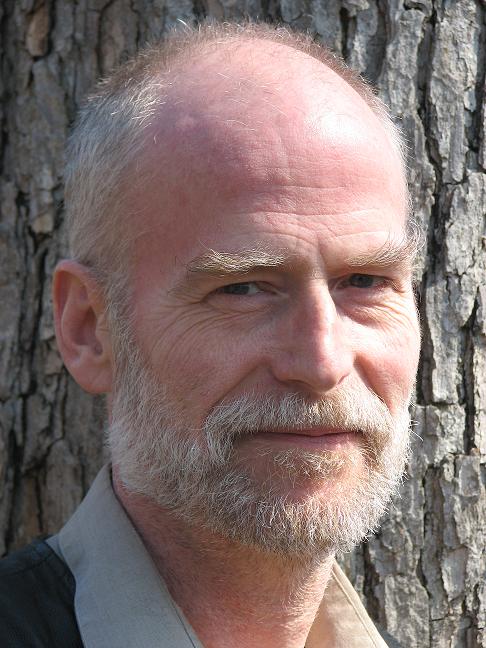
Peter Carruthers
University of Maryland
Functionalist What matters is the organisation of the processing, not the material

Peter Carruthers is a philosopher of mind at the University of Maryland and one of the field’s leading defenders of higher-order theories of consciousness, the family of views holding that a mental state is conscious only if it is represented by a further, higher-order mental state. Where David Rosenthal’s actualist higher-order thought theory requires that the higher-order thought actually occur, Carruthers defends a dispositionalist version. On his account, a state counts as conscious if the system is disposed to form a higher-order thought about it, whether or not that thought is ever actually tokened. The weaker requirement is meant to avoid overpopulating the mind with higher-order thoughts about every first-order state a creature has.
The distinction is not a technicality. It changes what a system needs to demonstrate to satisfy a higher-order theory’s criteria. An actualist standard demands that an AI system produce an explicit representation of its own representational states, on that occasion, in order to count as conscious of them. A dispositionalist standard only demands the underlying architecture make such a representation available on demand, which several existing self-monitoring and calibration mechanisms in large language models arguably already do in some minimal sense. Carruthers and Rocco Gennaro’s jointly maintained Stanford Encyclopedia of Philosophy entry on higher-order theories, substantially revised in January 2026, works through this distinction alongside the standard misrepresentation objection, the case where a higher-order thought misrepresents a first-order state that either does not exist or is different from how it is represented.
Carruthers treats the question of whether any current AI system satisfies dispositionalist higher-order thought theory as open and empirical rather than settled by architecture alone. The theory supplies necessary conditions, not a green light. Whether a language model’s self-report mechanisms constitute genuine dispositional availability to higher-order thought, rather than a learned behavior that mimics its outward signature, remains the harder question the theory does not answer by itself.
Known for. Dispositionalist higher-order thought theory of consciousness
Coverage on this site
Related researchers
- Rocco J. GennaroUniversity of Southern IndianaHigher-order thought theory and its self-representational variants
- Hedayat AbedijooACE Conscious Studio / IndependentACE.await (2026), the ACE decision framework (Agency, Connection, Exchange)
-
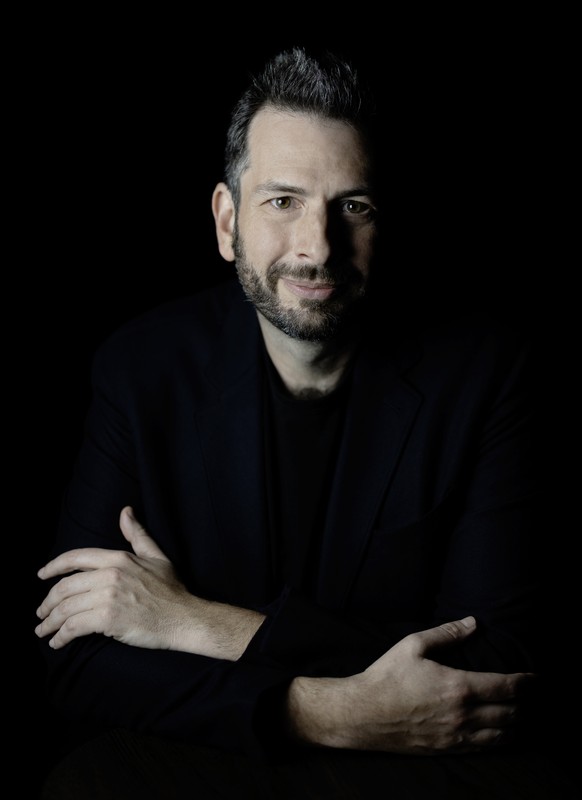 Blaise Agüera y ArcasGoogle VP and Fellow, CTO of Technology & SocietyComputational functionalism, active inference, on-device neural computing, What Is Intelligence? (2025), and Who Are We Now? (2023)
- Igor AleksanderImperial College LondonAxiomatic Consciousness Theory, neural state machines, The World in My Mind, pioneering neural network engineering
-
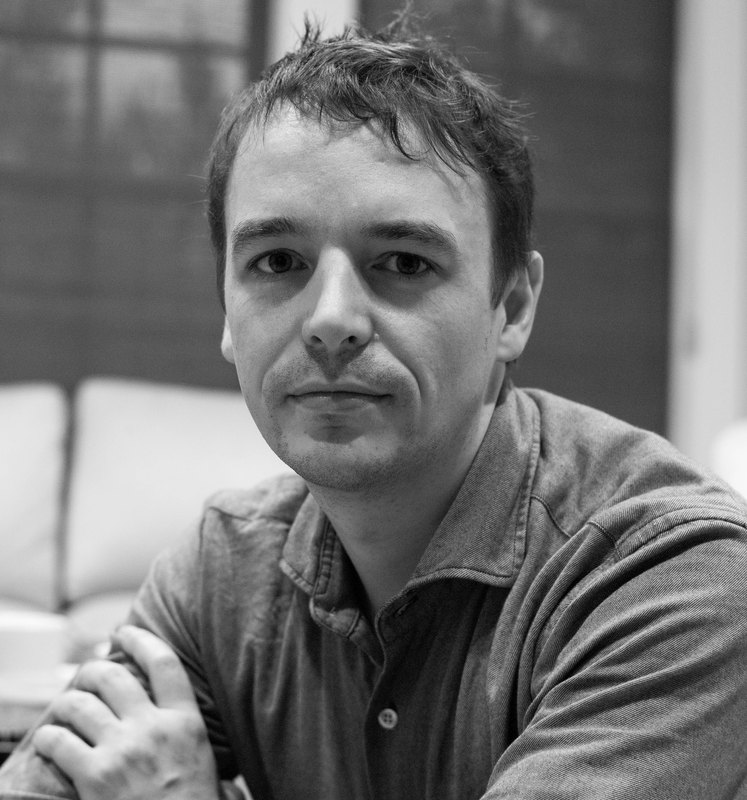 Joscha BachCalifornia Institute for Machine ConsciousnessThe machine consciousness hypothesis, cyber animism, and MicroPsi
- Talis BachmannUniversity of TartuAttention-awareness theory, the preactivation hypothesis for conscious perception, masking and the microgenesis of awareness, perception without awareness
Peter Carruthers is listed with the other functionalists and computationalists, who hold that what matters is the organisation of the processing, not the material. The theory family behind that position is set out in the index of consciousness theories. Every researcher covered on this site is indexed in the directory of consciousness researchers.