

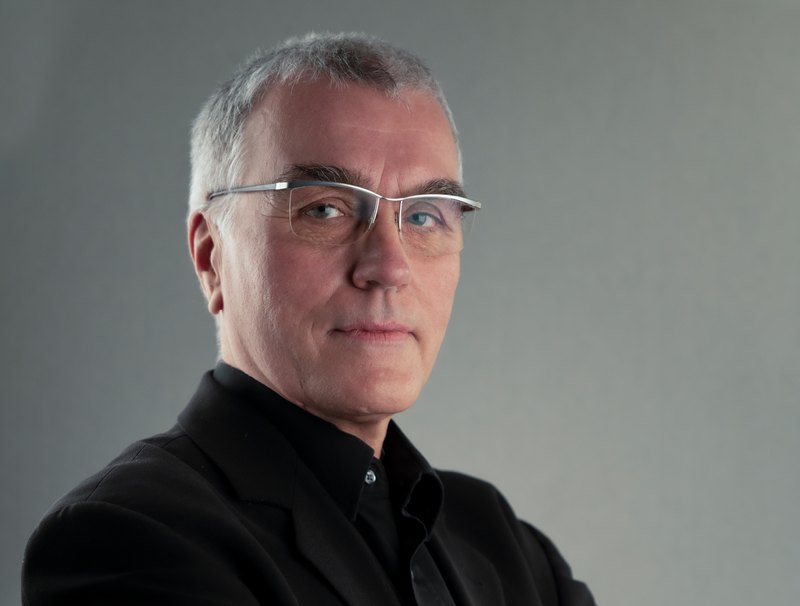
Thomas Metzinger
Johannes Gutenberg University of Mainz, emeritus
Functionalist What matters is the organisation of the processing, not the material

Thomas Metzinger argues that no one has ever been a self. What exists is a phenomenal self model, a representation the system builds of itself, and the reason it does not feel like a representation is a property he calls transparency. The system cannot see the model as a model, so it looks straight through it at what appears to be an underlying subject. There is no subject. There is a model whose construction is invisible from inside.
The account is mechanistic enough to be built, which is why it recurs in AI discussion. A system with a self model that is opaque, that it can inspect and recognise as a construct, would not have the phenomenal character Metzinger describes. Transparency is the specific property to look for, and it is a stronger requirement than merely having a self representation.
He is also the field’s most forceful voice on the ethics of building such systems. He has argued for a moratorium on synthetic phenomenology on the grounds that creating a system capable of suffering, in order to study whether it suffers, is not a research programme anyone should run. That position sits uncomfortably alongside his functionalism, and he holds both deliberately.
Known for. The self model theory of subjectivity, phenomenal transparency, and a proposed moratorium on synthetic phenomenology
Coverage on this site
- Applied Ethics of Synthetic Phenomenology Cannot Wait for the Consciousness Debate July 2026
- Thomas Metzinger's Self-Model Theory What Minimal Phenomenal Selfhood Requires for AI June 2026
- Metzinger's Minimal Phenomenal Experience What Pure Consciousness Reveals About Artificial Minds June 2026
Related researchers
- Hedayat AbedijooACE Conscious Studio / IndependentACE.await (2026), the ACE decision framework (Agency, Connection, Exchange)
-
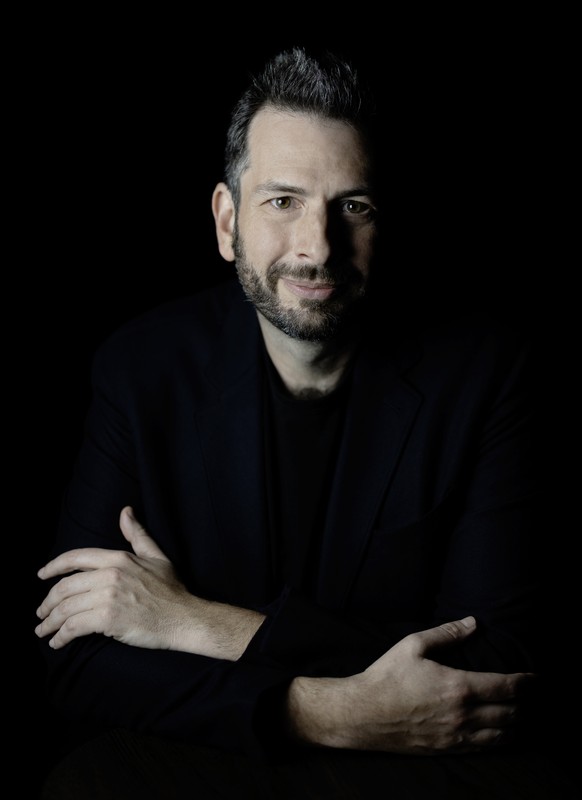 Blaise Agüera y ArcasGoogle VP and Fellow, CTO of Technology & SocietyComputational functionalism, active inference, on-device neural computing, What Is Intelligence? (2025), and Who Are We Now? (2023)
- Igor AleksanderImperial College LondonAxiomatic Consciousness Theory, neural state machines, The World in My Mind, pioneering neural network engineering
-
 Joscha BachCalifornia Institute for Machine ConsciousnessThe machine consciousness hypothesis, cyber animism, and MicroPsi
- Talis BachmannUniversity of TartuAttention-awareness theory, the preactivation hypothesis for conscious perception, masking and the microgenesis of awareness, perception without awareness
- Max BennettIndependent Researcher and AI EntrepreneurThe Five Breakthroughs evolutionary neuroscience framework and A Brief History of Intelligence (2023)
Thomas Metzinger is listed with the other functionalists and computationalists, who hold that what matters is the organisation of the processing, not the material. The theory family behind that position is set out in the index of consciousness theories. Every researcher covered on this site is indexed in the directory of consciousness researchers.