

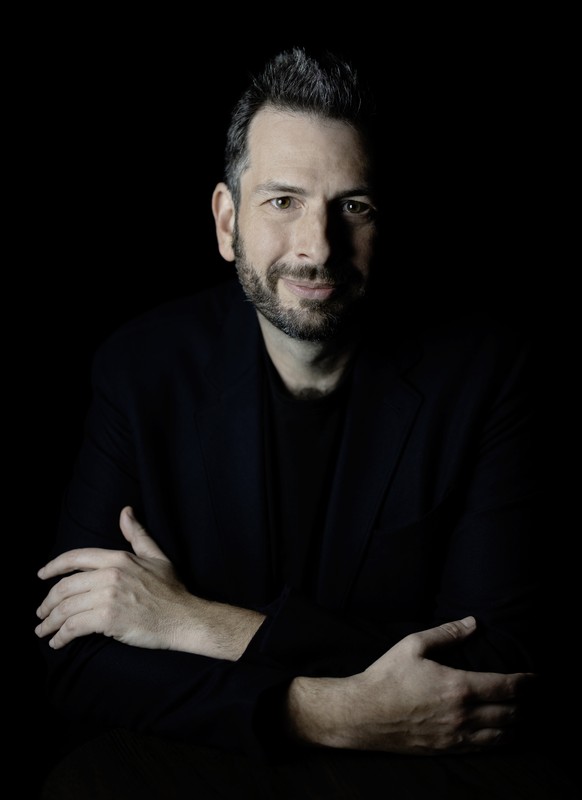
Andrew D. Levy
Wellcome Centre for Human Neuroimaging, University College London and Aarhus University
Functionalist What matters is the organisation of the processing, not the material
Andrew D. Levy is a computational neuroscientist specializing in generative models of brain-body interaction and interoceptive inference. Working with Peter Zeidman, Micah Allen, and Karl J. Friston, Levy extends Bayesian model inversion from isolated cortical circuits to closed-loop visceral physiology.
In the November 2026 preprint Embodied Dynamic Causal Modelling: Brain and Cardiac Effective Connectivity (bioRxiv 2026.10.27.762241), Levy and his co-authors introduce Embodied Dynamic Causal Modelling (Embodied DCM) and instantiate the Brainstem Cardiac Network (BCN). The architecture links cortical prediction hierarchies across five distinct brainstem nuclei, a viscerosensory thalamic relay nucleus, and sinoatrial node pacemaker dynamics, using simultaneous electroencephalography (EEG) and electrocardiography (ECG) recordings during an auditory Go/No-Go paradigm to recover directed synaptic efficacy across the brain-heart axis.
Within the study of emerging consciousness, Levy’s work supplies the generative inference machinery for embodied and interoceptive accounts of selfhood. By replacing descriptive heart-rate variability correlations with an invertible biophysical model of visceral message passing, Embodied DCM tests how autonomic feedback shapes the precision of conscious perceptual and motor decisions.
Known for. Embodied Dynamic Causal Modelling, Brainstem Cardiac Network, brain-heart effective connectivity
Coverage on this site
- Karl Friston, Micah Allen and Andrew Levy Model Brain and Cardiac Connectivity with Embodied DCM November 2026
Related researchers
- Peter ZeidmanWellcome Centre for Human Neuroimaging, University College LondonDynamic Causal Modelling, Parametric Empirical Bayes, Embodied DCM software and statistical methods
- Micah AllenCenter of Functionally Integrative Neuroscience, Aarhus University and University of CambridgeInteroceptive predictive processing, Embodied Dynamic Causal Modelling, visceral modulation of perceptual awareness and metacognition
- Karl FristonUniversity College London. Chief Scientist, VERSES AIThe free energy principle and active inference
- Hedayat AbedijooACE Conscious Studio / IndependentACE.await (2026), the ACE decision framework (Agency, Connection, Exchange)
-
 Blaise Agüera y ArcasGoogle VP and Fellow, CTO of Technology & SocietyComputational functionalism, active inference, on-device neural computing, What Is Intelligence? (2025), and Who Are We Now? (2023)
- Igor AleksanderImperial College LondonAxiomatic Consciousness Theory, neural state machines, The World in My Mind, pioneering neural network engineering
Andrew D. Levy is listed with the other functionalists and computationalists, who hold that what matters is the organisation of the processing, not the material. The theory family behind that position is set out in the index of consciousness theories. Every researcher covered on this site is indexed in the directory of consciousness researchers.