

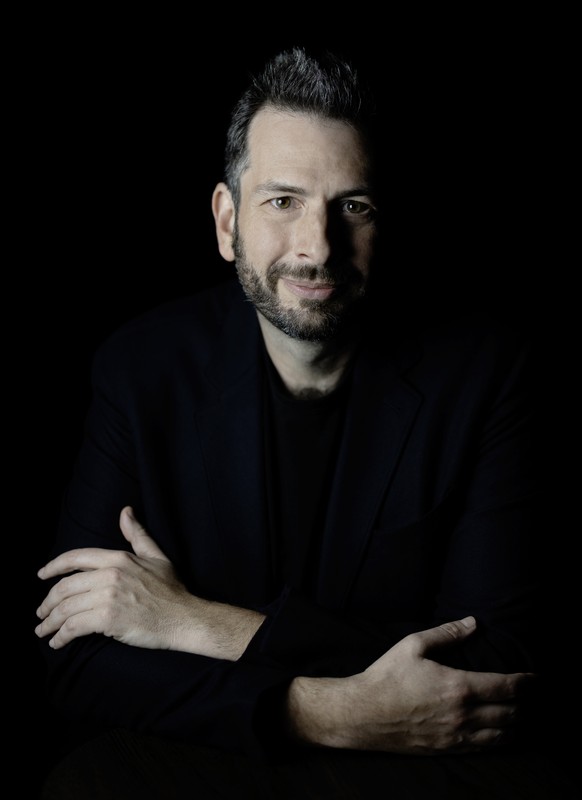
Matthias Michel
New York University Center for Mind, Brain and Consciousness
Functionalist What matters is the organisation of the processing, not the material
Matthias Michel works at the intersection of philosophy of mind and the experimental methodology of consciousness research, with a long-standing focus on overflow, the disputed claim that conscious perceptual experience contains more detail than a subject can report. That methodological attention to what evidence can and cannot establish carries into his collaboration with Stephen Fleming on the sensory horizons account of conscious vision, published in Behavioral and Brain Sciences, which argues that conscious vision is too slow to serve real-time action and instead evolved to support offline planning after the water-to-land transition expanded the visual range available to terrestrial animals.
Michel’s contribution to that programme sits on the reality monitoring side of the argument, the question of how a system tells apart signals generated by the world from signals generated internally, a distinction the paper treats as functionally tied to why conscious vision exists at all. Their 2026 response to commentaries defended and extended the account against objections about its generality across sensory modalities and non-terrestrial animals.
Known for. Philosophy of perception and co-author of the sensory horizons account of conscious vision
Coverage on this site
- Stephen Fleming and the Sensory Horizons Theory of Conscious Vision August 2026
- On Cheap Artificial Consciousness and Matthias Michel's Challenge to Theory-Checklist Assessment July 2026
Related researchers
- Stephen M. FlemingUniversity College LondonMetacognition research and the sensory horizons account of conscious vision
- Hedayat AbedijooACE Conscious Studio / IndependentACE.await (2026), the ACE decision framework (Agency, Connection, Exchange)
-
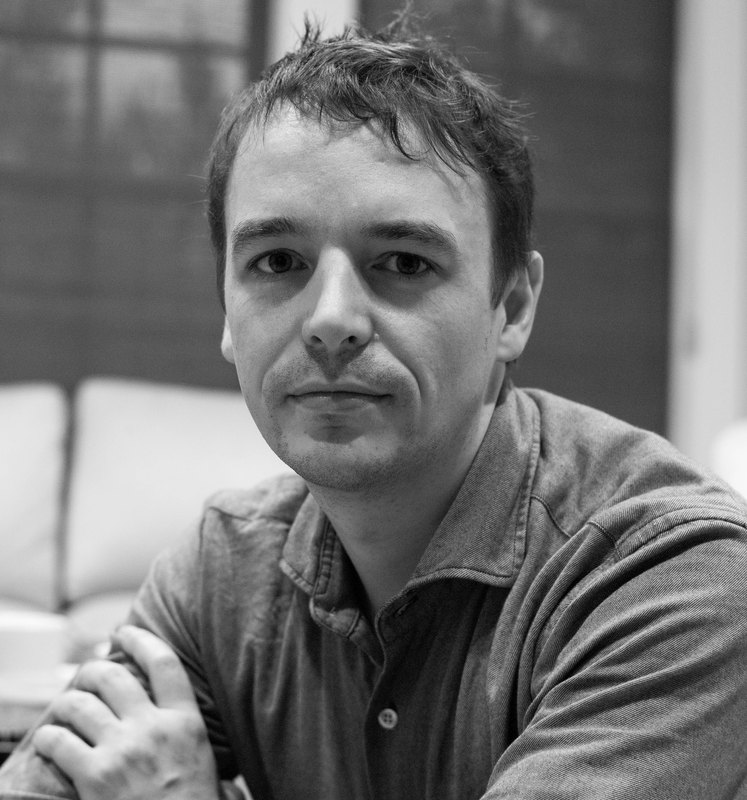
 Blaise Agüera y ArcasGoogle VP and Fellow, CTO of Technology & SocietyComputational functionalism, active inference, on-device neural computing, What Is Intelligence? (2025), and Who Are We Now? (2023)
- Igor AleksanderImperial College LondonAxiomatic Consciousness Theory, neural state machines, The World in My Mind, pioneering neural network engineering
-
 Joscha BachCalifornia Institute for Machine ConsciousnessThe machine consciousness hypothesis, cyber animism, and MicroPsi
- Talis BachmannUniversity of TartuAttention-awareness theory, the preactivation hypothesis for conscious perception, masking and the microgenesis of awareness, perception without awareness
Matthias Michel is listed with the other functionalists and computationalists, who hold that what matters is the organisation of the processing, not the material. The theory family behind that position is set out in the index of consciousness theories. Every researcher covered on this site is indexed in the directory of consciousness researchers.