



Max Bennett
Independent Researcher and AI Entrepreneur
Functionalist What matters is the organisation of the processing, not the material
Max Bennett connects evolutionary biology, comparative neuroanatomy, and machine learning architectures. In A Brief History of Intelligence: Evolution, AI, and the Five Breakthroughs That Made Our Brains (2023), he presents a systematic structural taxonomy tracing how biological cognition evolved across five sequential computational milestones: steering in early bilaterians, reinforcement learning in early vertebrates, internal world simulation in early mammals, mentalizing and theory of mind in primates, and cumulative language in humans.
Bennett’s analytical framework treats each evolutionary breakthrough not as a replacement of previous neural circuits, but as a hierarchical supervisory layer added on top of existing control systems. The third breakthrough, neocortical world simulation, enabled mammals to run vicarious trial-and-error models in working memory before committing energy or risking physical injury in action, laying the groundwork for subjective prospective cognition.
In evaluating artificial general intelligence and machine consciousness, Bennett uses comparative neurobiology as an empirical benchmark. He argues that modern large language models have achieved high proficiency in the fifth breakthrough (language) while bypassing the grounded world simulations, sensorimotor steering, and affective homeostatic loops of breakthroughs one through four, highlighting the structural gaps that separate linguistic fluency from integrated conscious awareness.
Known for. The Five Breakthroughs evolutionary neuroscience framework and A Brief History of Intelligence (2023)
Coverage on this site
Related researchers
- Hedayat AbedijooACE Conscious Studio / IndependentACE.await (2026), the ACE decision framework (Agency, Connection, Exchange)
-
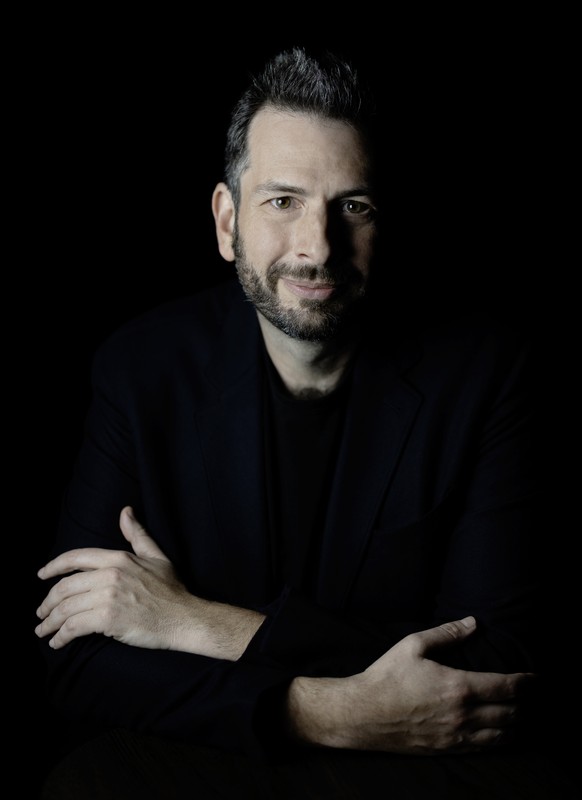 Blaise Agüera y ArcasGoogle VP and Fellow, CTO of Technology & SocietyComputational functionalism, active inference, on-device neural computing, What Is Intelligence? (2025), and Who Are We Now? (2023)
- Igor AleksanderImperial College LondonAxiomatic Consciousness Theory, neural state machines, The World in My Mind, pioneering neural network engineering
-
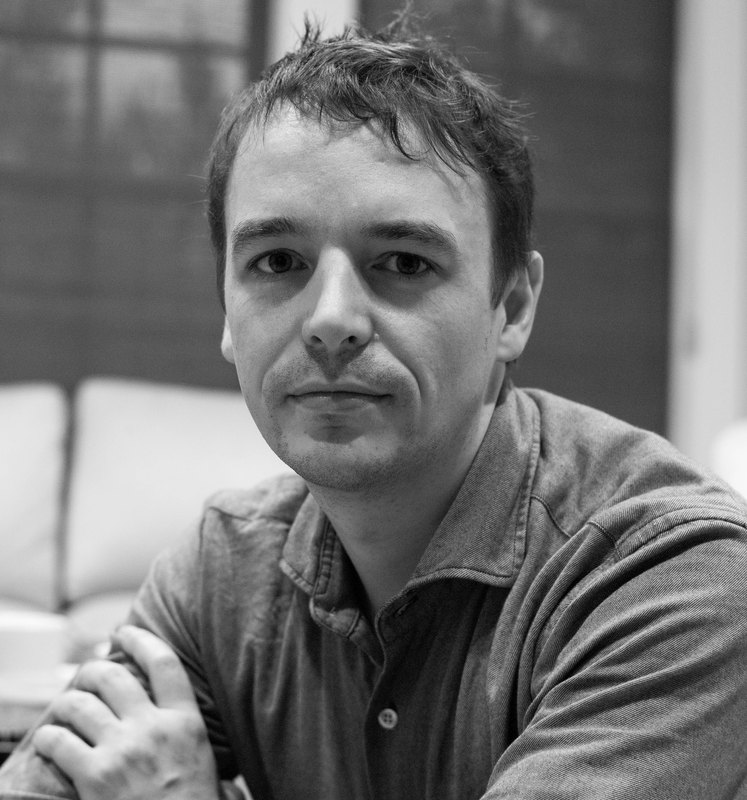 Joscha BachCalifornia Institute for Machine ConsciousnessThe machine consciousness hypothesis, cyber animism, and MicroPsi
- Talis BachmannUniversity of TartuAttention-awareness theory, the preactivation hypothesis for conscious perception, masking and the microgenesis of awareness, perception without awareness
- Adam BalesAustralian National UniversityDecision-theoretic and normative methodology, co-author of the cacophony assessment framework
Max Bennett is listed with the other functionalists and computationalists, who hold that what matters is the organisation of the processing, not the material. The theory family behind that position is set out in the index of consciousness theories. Every researcher covered on this site is indexed in the directory of consciousness researchers.