Sebastian Seung
Princeton Neuroscience Institute
Functionalist What matters is the organisation of the processing, not the material
Sebastian Seung is a computational neuroscientist who moved from physics into neuroscience and now works at Princeton after faculty appointments at MIT. His 2012 book Connectome: How the Brain’s Wiring Makes Us Who We Are, published by Houghton Mifflin Harcourt, made the connectome a public concept and stated the structural identity hypothesis in a form the field now argues with.
The hypothesis holds that the pattern of connections between neurons, including their functional states, is the physical basis of identity and memory. Genes assemble an initial wiring template and experience rewrites it, so the person a brain becomes is the record of everything that modified its wiring. The claim is functionalist in structure. It locates the self in the organization of the processing, rather than in the material, which places Seung with the position this site labels on that basis.
Seung also builds the instruments his hypothesis needs. He launched EyeWire in 2012, a citizen science project that recruited online players to trace retinal neurons, as a test of whether distributed human annotation could scale connectome mapping. This site covers his book’s argument in the structural identity post, where the open problems are stated as well, since a wiring pattern is a description and a person is a running process, and whether pattern preservation implies preserved experience is the question the hypothesis leaves for the emulation program.
Known for. The Connectome book, the structural identity hypothesis, EyeWire
Coverage on this site
Related researchers
- Hedayat AbedijooACE Conscious Studio / IndependentACE.await (2026), the ACE decision framework (Agency, Connection, Exchange)
-
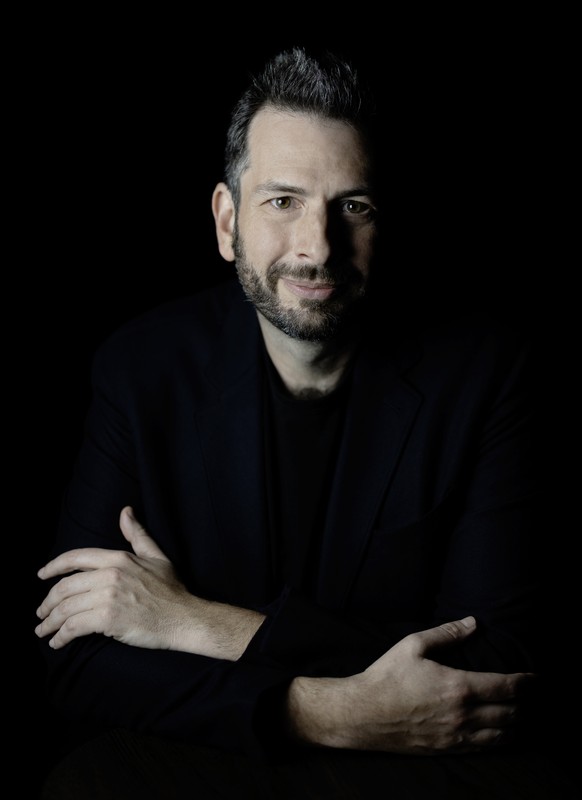 Blaise Agüera y ArcasGoogle VP and Fellow, CTO of Technology & SocietyComputational functionalism, active inference, on-device neural computing, What Is Intelligence? (2025), and Who Are We Now? (2023)
- Igor AleksanderImperial College LondonAxiomatic Consciousness Theory, neural state machines, The World in My Mind, pioneering neural network engineering
-
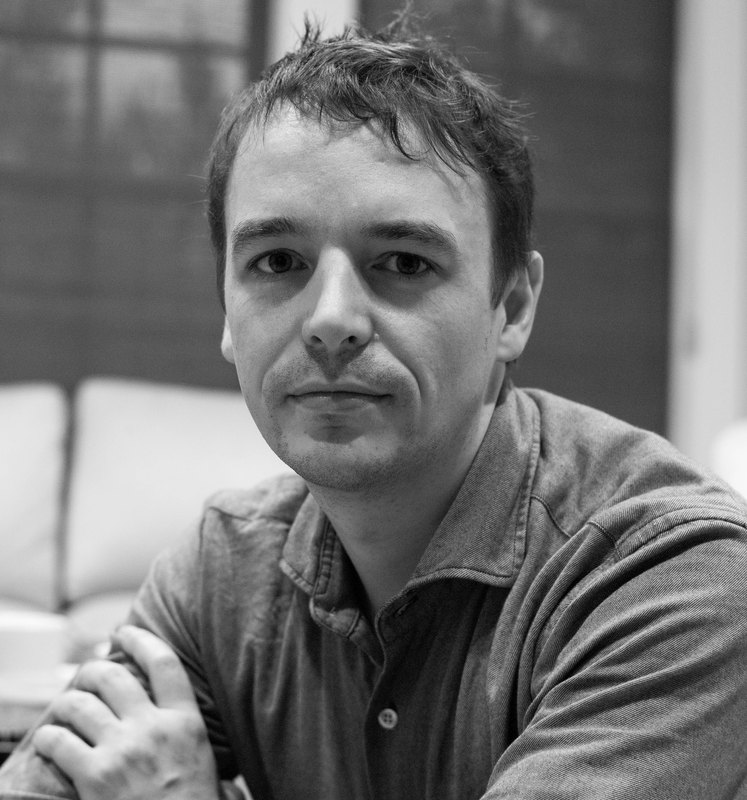 Joscha BachCalifornia Institute for Machine ConsciousnessThe machine consciousness hypothesis, cyber animism, and MicroPsi
- Talis BachmannUniversity of TartuAttention-awareness theory, the preactivation hypothesis for conscious perception, masking and the microgenesis of awareness, perception without awareness
- Max BennettIndependent Researcher and AI EntrepreneurThe Five Breakthroughs evolutionary neuroscience framework and A Brief History of Intelligence (2023)
Sebastian Seung is listed with the other functionalists and computationalists, who hold that what matters is the organisation of the processing, not the material. The theory family behind that position is set out in the index of consciousness theories. Every researcher covered on this site is indexed in the directory of consciousness researchers.