


Fernando E. Rosas
University of Sussex, Imperial College London, University of Oxford, and PIBBSS
Fernando E. Rosas is the corresponding author of Compatibilist emergence for the science of consciousness. Cambridge published the Open Peer Commentary in Behavioral and Brain Sciences 49, e321, on 17 September 2026. Its other authors are George Blackburne, Alberto Liardi, Jeremy I. Skipper, and Pedro A. M. Mediano. The publisher lists affiliations at Sussex, Imperial, Oxford, and Principles of Intelligent Behavior in Biological and Social Systems, or PIBBSS.
The publisher’s abstract proposes an account of subjectivity and substrate through compatibilist emergence. It suggests that life’s autopoietic character may require and promote emergence that is necessary but not sufficient for consciousness. This account uses the abstract and author details. They do not establish Rosas’s individual theoretical contribution or a commitment to Integrated Information Theory.
Our editorial assessment of compatibilist emergence asks how a measure of higher scale dynamics could bear on evidence of experience. A formal property of a system and a sufficient condition for consciousness require separate justification.
Known for. Corresponding author of the BBS commentary on compatibilist emergence
Coverage on this site
- From Cacophony to Hierarchy. The 14-Author Framework for Assessing AI Consciousness October 2026
- George Blackburne and Compatibilist Emergence for Consciousness September 2026
Related researchers
- Shamil ChandariaGoogle DeepMind Institute; University of Oxford; Max Planck UCL Centre for Computational PsychiatryFree energy principle and active inference, the Beautiful Loop theory, the Complex Brain Hypothesis, lead author of the From Cacophony to Hierarchy AI consciousness assessment framework
-
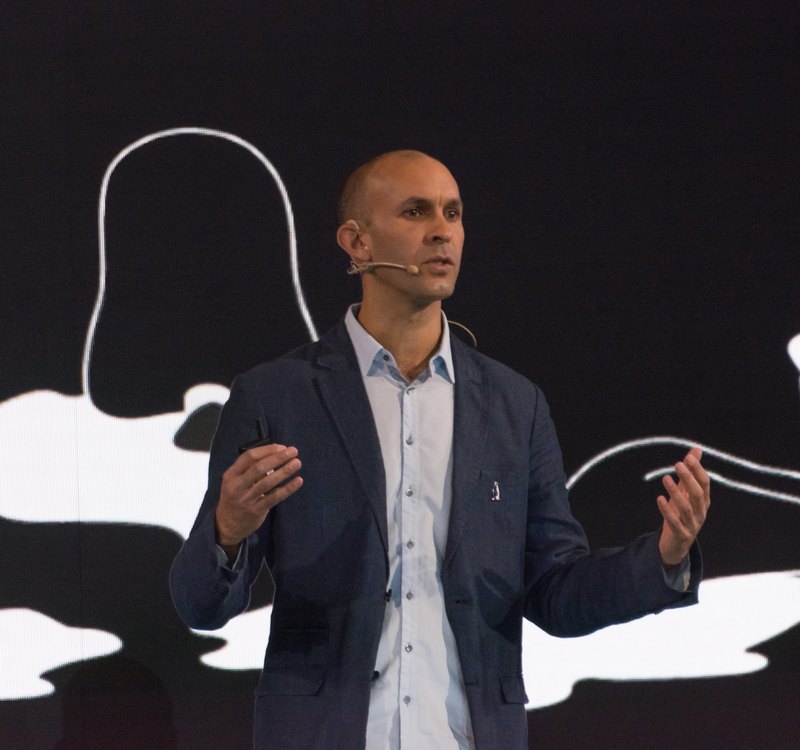 Anil SethSussex Centre for Consciousness Science, University of SussexThe beast machine hypothesis, and controlled hallucination as an account of perception
- Murray ShanahanImperial College LondonGlobal workspace style cognitive architectures, Embodiment and the Inner Life, indicator properties for AI consciousness, LLM world models
-
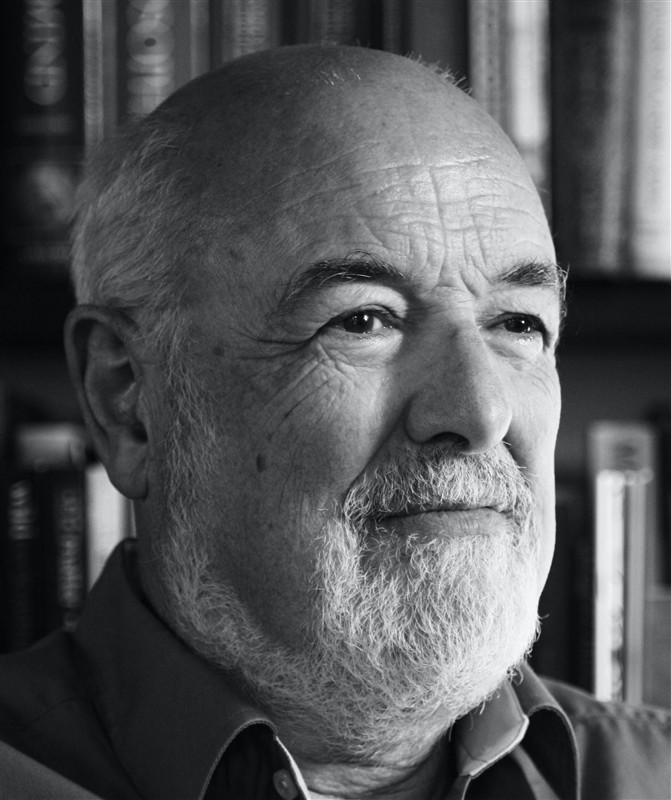 Chris FrithUniversity College LondonAgency and the sense of self, Making Up the Mind, metacognition and awareness, indicator properties collaboration
- Morten KringelbachDepartment of Psychiatry, University of Oxford; Centre for Eudaimonia and Human Flourishing, Linacre College, Oxford; Department of Clinical Medicine, Aarhus UniversityWhole-brain computational modeling of non-equilibrium brain dynamics, the thermodynamics of mind framework, hedonic and pleasure circuitry
- Henry ShevlinGoogle DeepMind Institute; Leverhulme Centre for the Future of Intelligence, University of CambridgeResearch on AI consciousness and welfare assessment, the moral uncertainty programme at Cambridge, co-author of the cacophony assessment framework
Every researcher covered on this site is indexed in the directory of consciousness researchers.