
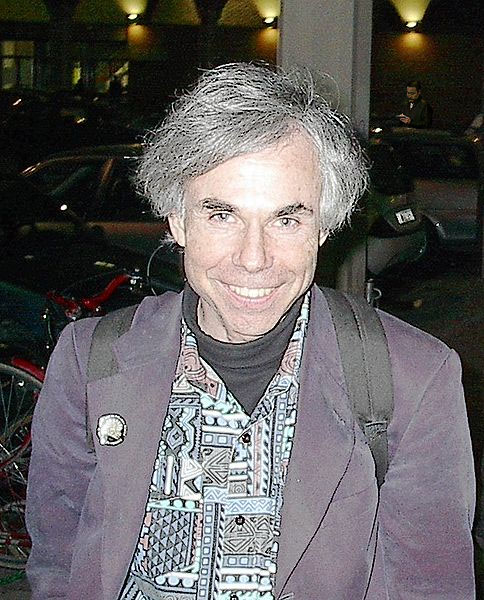
Douglas Hofstadter
Center for Research on Concepts and Cognition, Indiana University Bloomington
Functionalist What matters is the organisation of the processing, not the material
.jpg)
Douglas Hofstadter is College of Arts and Sciences Distinguished Professor of Cognitive Science and Comparative Literature at Indiana University Bloomington, and Director of the Center for Research on Concepts and Cognition. His pioneering 1979 book Gödel, Escher, Bach, An Eternal Golden Braid was awarded the Pulitzer Prize for General Nonfiction.
Hofstadter’s work centers on how meaning, intelligence, and subjective selfhood emerge from formal systems. In I Am a Strange Loop (2007), he formalizes the concept of a “strange loop” as a self-referential feedback structure where upward causal mechanisms across neural hierarchies loop back downward, creating an invariant internal symbol, the “I”,that attributes causal efficacy to its internal states.
Under Hofstadter’s computational functionalism, consciousness is substrate-independent: any sufficiently complex hierarchical symbol-processing system that generates a recursive strange loop capable of modeling its own perceptual processes will instantiate genuine subjective experience.
Known for. Gödel, Escher, Bach, An Eternal Golden Braid (Pulitzer Prize 1979), Strange Loops, I Am a Strange Loop (2007), fluid analogies, analogical cognition
Coverage on this site
Related researchers
- Hedayat AbedijooACE Conscious Studio / IndependentACE.await (2026), the ACE decision framework (Agency, Connection, Exchange)
-
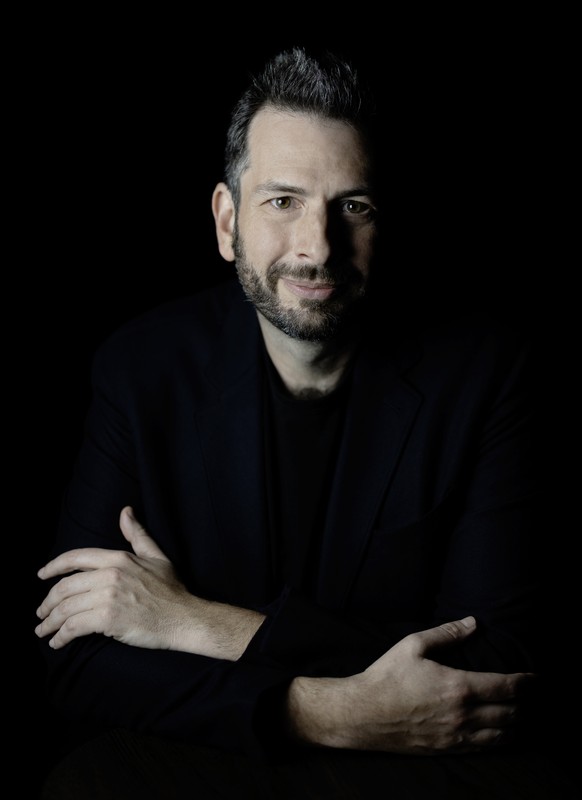 Blaise Agüera y ArcasGoogle VP and Fellow, CTO of Technology & SocietyComputational functionalism, active inference, on-device neural computing, What Is Intelligence? (2025), and Who Are We Now? (2023)
- Igor AleksanderImperial College LondonAxiomatic Consciousness Theory, neural state machines, The World in My Mind, pioneering neural network engineering
-
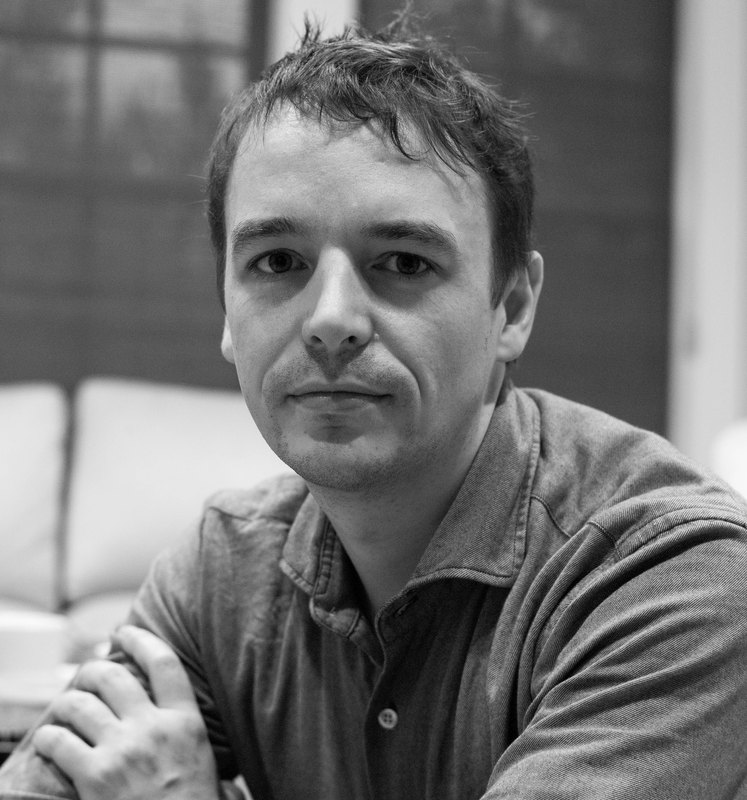 Joscha BachCalifornia Institute for Machine ConsciousnessThe machine consciousness hypothesis, cyber animism, and MicroPsi
- Talis BachmannUniversity of TartuAttention-awareness theory, the preactivation hypothesis for conscious perception, masking and the microgenesis of awareness, perception without awareness
- Adam BalesAustralian National UniversityDecision-theoretic and normative methodology, co-author of the cacophony assessment framework
Douglas Hofstadter is listed with the other functionalists and computationalists, who hold that what matters is the organisation of the processing, not the material. The theory family behind that position is set out in the index of consciousness theories. Every researcher covered on this site is indexed in the directory of consciousness researchers.