



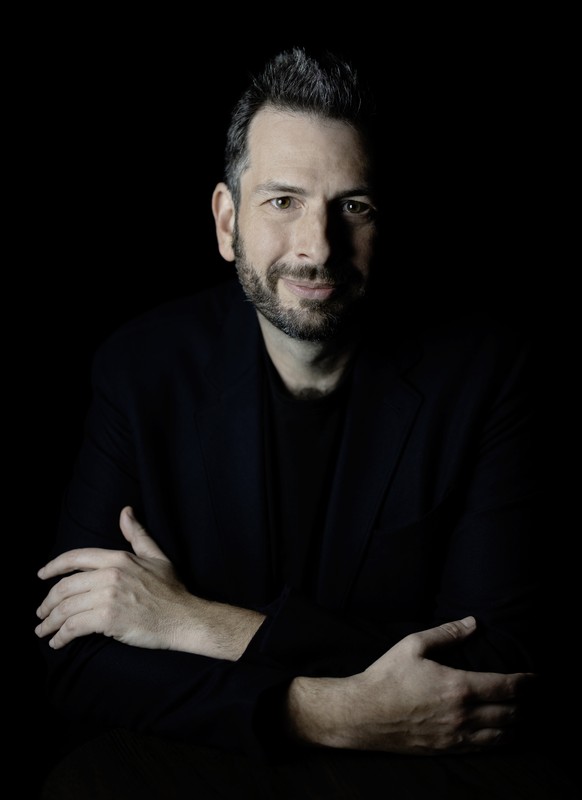
Michael J. Apter
University of Bristol, Cardiff University, and Georgetown University
Functionalist What matters is the organisation of the processing, not the material

Position on AI consciousness
Apter recognized in 1966 that developing embryos implement goal-directed feedback loops and distributed computation, laying early cybernetic groundwork for modern basal cognition and substrate-independent agency.
Michael J. Apter is a British psychologist and cyberneticist who earned his PhD at the University of Bristol under F. H. George before teaching at Cardiff University and Georgetown University. While best known in psychology for co-developing reversal theory, his earliest research bridged cybernetics, automata theory, and developmental biology.
In a 1965 paper with Lewis Wolpert in the Journal of Theoretical Biology and in his 1966 monograph Cybernetics and Development (Pergamon Press), Apter analyzed how a fertilized egg builds and repairs a complex body using local rules, negative feedback, and cellular communication. Drawing on John von Neumann’s self-reproducing automata and W. Ross Ashby’s homeostatic systems, he treated embryonic regulation as a distributed computational problem rather than a passive chemical readout.
Apter’s cybernetic framing anticipates modern basal cognition and Michael Levin’s TAME framework, both of which treat anatomical morphogenesis as goal-directed error minimization operating across non-neural tissue.
Known for. Cybernetics and Development, self-reproducing automata in embryology, and reversal theory
Coverage on this site
Related researchers
- Hedayat AbedijooACE Conscious Studio / IndependentACE.await (2026), the ACE decision framework (Agency, Connection, Exchange)
-
 Blaise Agüera y ArcasGoogle VP and Fellow, CTO of Technology & SocietyComputational functionalism, active inference, on-device neural computing, What Is Intelligence? (2025), and Who Are We Now? (2023)
- Igor AleksanderImperial College LondonAxiomatic Consciousness Theory, neural state machines, The World in My Mind, pioneering neural network engineering
- Micah AllenCenter of Functionally Integrative Neuroscience, Aarhus University and University of CambridgeInteroceptive predictive processing, Embodied Dynamic Causal Modelling, visceral modulation of perceptual awareness and metacognition
-
 Joscha BachCalifornia Institute for Machine ConsciousnessThe machine consciousness hypothesis, cyber animism, and MicroPsi
- Talis BachmannUniversity of TartuAttention-awareness theory, the preactivation hypothesis for conscious perception, masking and the microgenesis of awareness, perception without awareness
Michael J. Apter is listed with the other functionalists and computationalists, who hold that what matters is the organisation of the processing, not the material. The theory family behind that position is set out in the index of consciousness theories. Every researcher covered on this site is indexed in the directory of consciousness researchers.