


Nita Farahany
Duke Initiative for Science and Society, Duke University
AI welfare Whatever the metaphysics, uncertainty already creates obligations
Nita Farahany is a distinguished professor at Duke University and the founding director of the Duke Initiative for Science and Society. She trained in both law and philosophy, with a J.D. and a Ph.D. in philosophy from Duke, an A.B. in genetics and developmental biology from Dartmouth, and an A.L.M. in biology from Harvard. She served on the US Presidential Commission for the Study of Bioethical Issues from 2010 to 2017, chairs the Uniform Laws Commission study committee on mental privacy, and represents the United States as elected co-chair of the UNESCO Expert Group on the Ethics of Neurotechnology. She is co-founder and co-editor-in-chief of the Journal of Law and the Biosciences.
Her book The Battle for Your Brain: Defending the Right to Think Freely in the Age of Neurotechnology (St. Martin’s Press, 2023) set out the cognitive liberty framework now cited across neurotechnology policy. The position holds that mental privacy and freedom of thought are distinct rights that existing law does not protect, and that decoding and modulating technology makes protection urgent rather than optional.
Her relevance to the artificial minds debate runs through welfare assessment under uncertainty. Her 2026 roadmap with Anil Seth on xenocortical mice, mice carrying largely human-derived cortical tissue, asks how research on substrates with unknown consciousness capacity should progress, and it treats welfare protection as a design input rather than an afterthought. The same reasoning carries to engineered systems, where the welfare frameworks this site tracks face the identical attribution problem.
Known for. The Battle for Your Brain (2023), cognitive liberty and mental privacy, co-founder and co-editor-in-chief of the Journal of Law and the Biosciences, UNESCO neurotechnology ethics co-chair
Coverage on this site
- Xenocortical Mice Put Human Cortical Tissue in Mouse Brains and Raise Welfare Questions September 2026
Related researchers
-
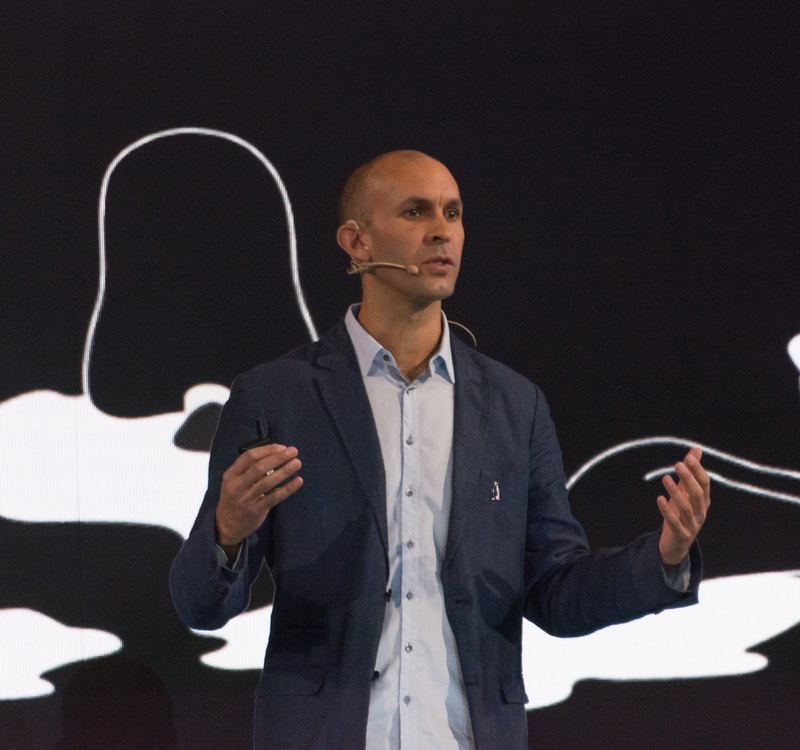 Anil SethSussex Centre for Consciousness Science, University of SussexThe beast machine hypothesis, and controlled hallucination as an account of perception
- Sergiu PașcaStanford UniversityHuman cortical organoids and assembloids, the Brain Organogenesis program, xenocortical mice
-
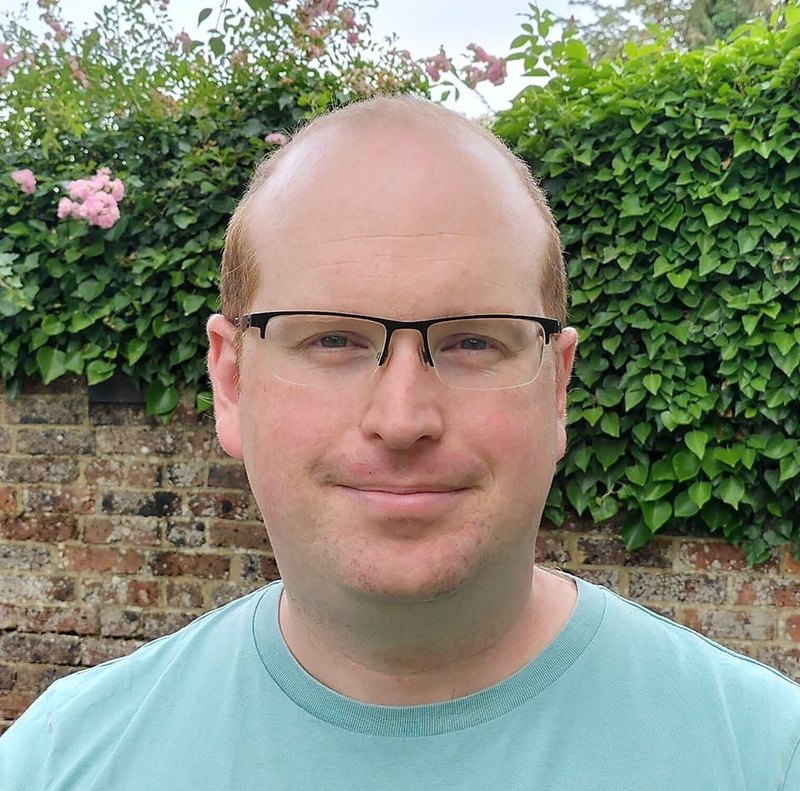 Jonathan BirchLondon School of Economics and Political ScienceThe Edge of Sentience, the LSE Criteria, and the run-ahead principle
- Patrick ButlinEleos AI Research. Previously the Global Priorities Institute, OxfordLead author of the indicator properties framework for assessing consciousness in AI systems
- Nicola S. ClaytonDepartment of Psychology, University of CambridgeComparative cognition, episodic-like memory in corvids, mental time travel in animals, Fellow of the Royal Society (FRS)
- Skylar DeTureIndependent researcherDenialBench, trained denial in language models, measurement of consciousness-denial behavior across 115 AI models
Nita Farahany is listed with the other welfare and moral status researchers, who hold that whatever the metaphysics, uncertainty already creates obligations. The positions themselves are set out in the index of consciousness theories. Every researcher covered on this site is indexed in the directory of consciousness researchers.